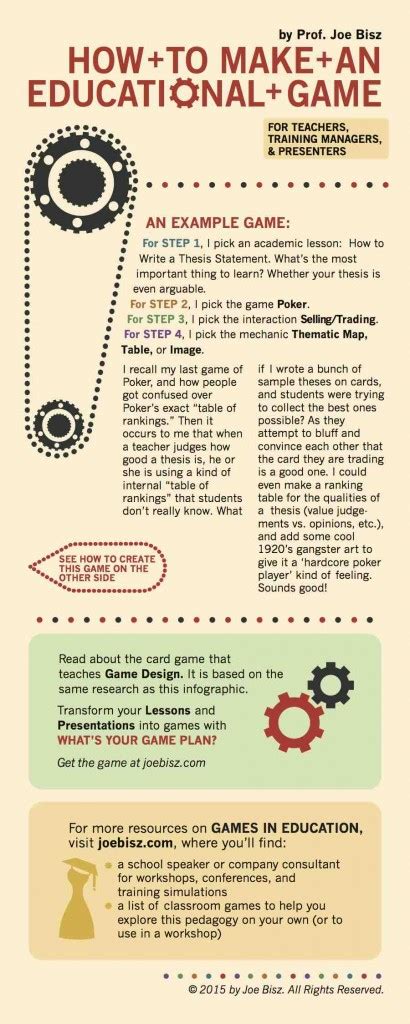
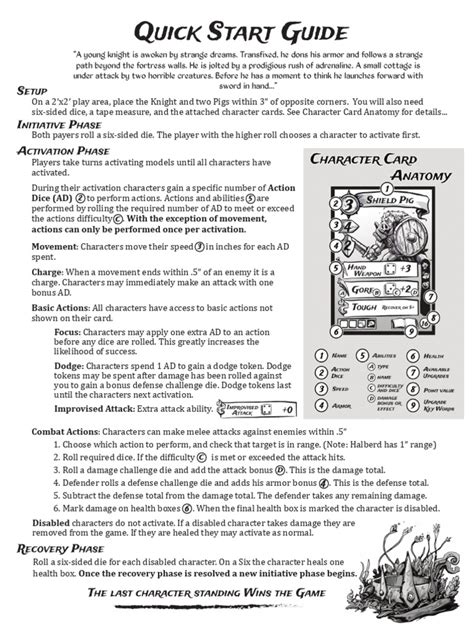
How can game beginner guides specifically address common player frustration points?

Starting a new game should be an exciting adventure, not a frustrating hurdle. Yet, countless players abandon games in their early stages due to common pain points that often go unaddressed by traditional beginner guides. These guides, while essential, frequently focus on mechanics without truly understanding the new player’s psychology or anticipating where they might struggle. The true power of an effective beginner guide lies in its ability to not just instruct, but to empathize and proactively solve these common frustrations, turning potential drop-offs into engaged, long-term players.
Identifying Core Player Frustration Points
Before a guide can solve problems, it must first understand them. New players often grapple with a variety of issues:
- Information Overwhelm: Too many mechanics, menus, or options presented at once.
- Unclear Objectives: Not knowing what to do next or why certain actions are important.
- Steep Learning Curves: Mechanics that are difficult to grasp or execute without prior experience.
- Punishing Mistakes: Early errors leading to significant setbacks, resource loss, or instant failure.
- Poor Pacing or Grinding: Periods of slow progression or repetitive tasks without clear reward.

Strategies for Building Frustration-Proof Guides
1. Contextual and Bite-Sized Information Delivery
Instead of dumping all information at the start, introduce concepts only when they become relevant. Use tooltips, interactive tutorials, or pop-up explanations that appear precisely when a new mechanic or item is encountered. Break down complex systems into smaller, manageable chunks that players can absorb at their own pace.
2. Clear Goal Setting and Direction
New players need a clear sense of purpose. Guides should always highlight the immediate objective and explain its significance within the larger game world. Visual cues, mini-maps, quest logs, and explicit instructions like “Your next step is to…” can significantly reduce feelings of being lost or directionless.

3. Gradual Skill Introduction and Practice Arenas
For games with complex controls or combat, beginner guides should offer dedicated, low-stakes practice zones. Allow players to experiment with mechanics without the pressure of failure. Introduce skills incrementally, building upon previously learned concepts, ensuring a smooth difficulty curve rather than a sudden spike.

4. Constructive Feedback and Forgiveness
Instead of simply punishing errors, effective guides provide immediate, constructive feedback. Explain why an action was wrong and suggest corrective measures. Implement “soft failures” in early stages where mistakes have minimal consequences, allowing players to learn through experimentation without being overly penalized. Encouraging words can also go a long way.
5. Pacing and Early Wins
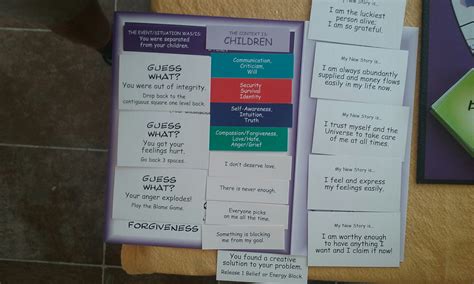
A well-designed beginner guide ensures a steady stream of small victories. These early successes build confidence and reinforce positive gameplay loops. Avoid extended periods of grinding or mundane tasks in the opening hours. Pacing should be carefully managed to maintain engagement and provide a clear sense of progress.
6. Proactive Troubleshooting and FAQs
Anticipate common sticking points. If a particular puzzle or boss is known to be a stumbling block for beginners, the guide should offer specific tips or alternative strategies before the player even encounters it. A dedicated “Common Mistakes and How to Fix Them” section can be invaluable, addressing specific game mechanics that frequently confuse new users.
Conclusion
Ultimately, a successful beginner guide transforms a potentially intimidating experience into an inviting one. By shifting focus from merely detailing features to actively addressing and mitigating player frustration points, game developers and guide creators can significantly improve player retention and satisfaction. It’s about designing a pathway to mastery that is clear, encouraging, and above all, genuinely enjoyable from the very first click.