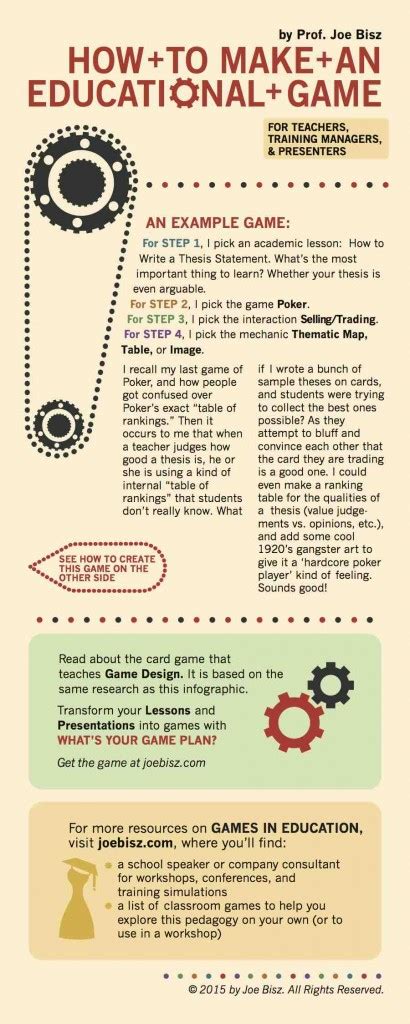
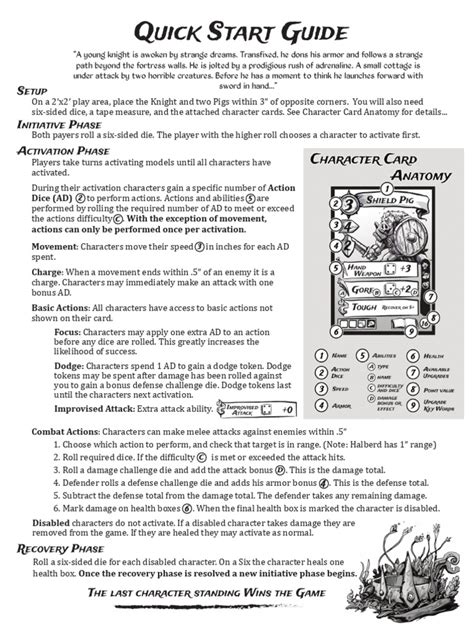
How can game beginner guides simplify complex mechanics without overwhelming new players?

Mastering the Art of Accessible Game Guides
Many modern video games feature intricate systems, deep skill trees, and complex combat mechanics that can be daunting for newcomers. The challenge for game developers and guide creators is to introduce these elements in a way that educates without overwhelming. A well-crafted beginner guide doesn’t just explain; it teaches, nurtures, and builds confidence, transforming a potentially intimidating experience into an enjoyable journey of discovery.
Progressive Disclosure: The Scaffolding Approach
One of the most effective strategies is progressive disclosure, often referred to as scaffolding. This involves introducing mechanics in small, digestible chunks, building upon previously learned concepts. Instead of dumping all information at once, a guide should gradually reveal complexities as the player progresses and demonstrates readiness for more advanced concepts.
For instance, an RPG might first teach basic movement and attacking, then introduce inventory management, followed by character stats, and much later, intricate crafting or spell-casting systems. Each new piece of information is contextualized and relevant to the player’s immediate needs, preventing cognitive overload.
Visual Aids and Interactive Learning
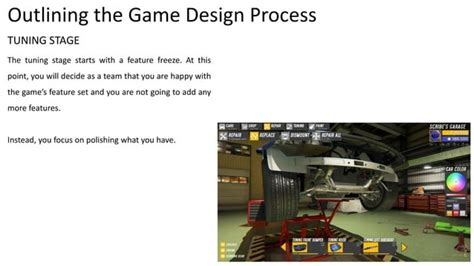
Humans are highly visual learners, and game guides can leverage this by incorporating visual aids. Diagrams illustrating spell ranges, flowcharts explaining combat priority, or annotated screenshots highlighting UI elements are far more effective than dense blocks of text. Short video clips demonstrating specific techniques or interactions can also be incredibly powerful, offering a ‘show, don’t just tell’ approach.
Furthermore, interactive tutorials built directly into the game are invaluable. These allow players to immediately practice a new mechanic in a controlled environment, receiving instant feedback. A guide can then serve as a reference, reinforcing what was learned experientially rather than being the sole source of instruction.

Clear, Concise Language and Contextual Relevance
Jargon is the enemy of accessibility. Beginner guides must use simple, clear language, avoiding technical terms unless they are explicitly defined. Explanations should be concise, getting straight to the point without unnecessary fluff. More importantly, every mechanic should be explained in the context of ‘why’ and ‘when’ to use it.
Knowing that a ‘parry’ reduces damage is one thing; understanding that parrying a specific enemy’s attack creates an opening for a counter-attack is far more useful. Connecting mechanics to practical in-game scenarios helps players understand their utility and integrate them into their gameplay strategy.

Focus on Core Concepts and Practice Opportunities
Not every mechanic is equally important for a beginner. Guides should prioritize fundamental concepts that are essential for basic gameplay, deferring advanced or optional strategies to later stages or separate, more specialized guides. This focus ensures players build a strong foundation before tackling nuances.
Equally crucial are opportunities for practice. A guide can explain how to dodge, but a player will only master it through repetition. Guides can suggest specific early-game scenarios or training modes where players can safely experiment and hone their skills without the pressure of immediate failure. Emphasizing practice over perfect execution at the start reduces frustration.

Empowering the New Player
Ultimately, a successful beginner guide empowers new players. It breaks down intimidating complexity into manageable steps, offers clear pathways to understanding, and provides the tools and confidence needed to explore the game further on their own. By focusing on progressive learning, visual aids, clear communication, and practical application, guides can transform potential frustration into lasting engagement, ensuring that even the most complex games are accessible to everyone.