How can game beginner guides simplify complex mechanics to prevent new player overwhelm?

Entering a new game, especially one rich with intricate systems, can be an exhilarating yet daunting experience. For many new players, the initial encounter with complex mechanics – from skill trees and crafting systems to combat rotations and resource management – can lead to frustration and ultimately, abandonment. This challenge highlights a crucial need: well-designed beginner guides that elegantly simplify complexity, transforming potential overwhelm into engaging learning.
Understanding New Player Overwhelm
New player overwhelm typically stems from an information overload. Games often present a deluge of UI elements, terminology, and interconnected systems right from the start. Without proper guidance, players struggle to grasp fundamental concepts, leading to a steep and discouraging learning curve. The goal of a beginner guide isn’t just to explain, but to teach in a way that feels natural, rewarding, and encourages continued engagement.

Key Strategies for Simplifying Complex Mechanics
1. Gradual Introduction and Pacing
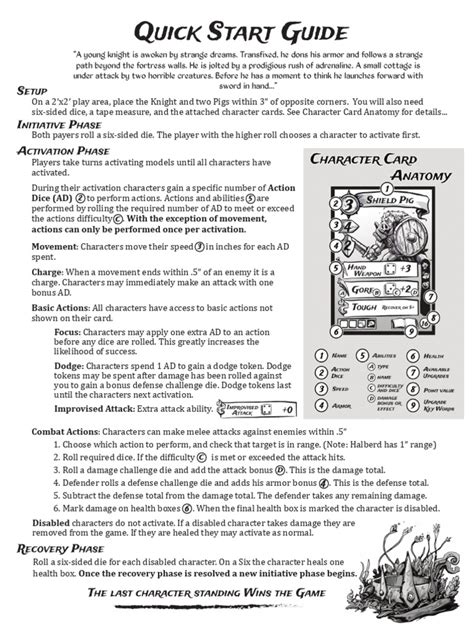
The most effective guides introduce mechanics incrementally. Instead of dumping all information at once, they follow a ‘learn-as-you-go’ philosophy. This means presenting one core concept or system at a time, allowing players to practice and internalize it before moving on to the next. For example, a combat guide might first teach basic movement, then a single attack, then a special ability, and finally, defensive maneuvers, building complexity layer by layer.
2. Clear, Concise Language and Visual Aids
Jargon is a significant barrier. Beginner guides should use plain language, avoiding acronyms or highly specific game terms until they have been properly introduced and explained. Complementing this, visual aids are invaluable. Screenshots, short video clips, animated GIFs, or clear diagrams can illustrate a concept far more effectively than text alone, showing players exactly where to click, what to look for, or how an action unfolds.
3. Interactive Tutorials and Sandbox Environments
Learning by doing is paramount. Guides embedded within the game itself, offering interactive tutorials, allow players to immediately apply what they’ve learned. These could be guided missions, dedicated training zones, or even ‘sandbox’ areas where players can experiment with mechanics without penalty. This hands-on experience solidifies understanding and builds muscle memory.
4. Contextual Hints and Progressive Disclosure
Context-sensitive hints or tooltips that pop up when a player encounters a new mechanic or UI element are highly effective. Furthermore, progressive disclosure – revealing advanced features or options only when a player has met certain criteria or reached a specific point in the game – prevents early overwhelm. This approach ensures players only engage with relevant information at the right time.

5. Practice Opportunities and Feedback Loops
Simply explaining a mechanic isn’t enough; players need opportunities to practice it in a low-stakes environment. Guides should encourage repetition and provide immediate, constructive feedback. Did the player perform the action correctly? If not, what went wrong and how can they improve? This iterative process helps solidify understanding and builds confidence.
The Impact of Thoughtful Design
A well-crafted beginner guide isn’t just about teaching mechanics; it’s about fostering a welcoming environment. By patiently guiding new players through the initial complexities, these resources cultivate a sense of accomplishment, reduce frustration, and significantly increase player retention. They transform a potentially intimidating entry into an exciting journey of discovery, laying a strong foundation for long-term engagement and enjoyment within the game world.

Ultimately, the best game beginner guides don’t just explain ‘how’ but also subtly demonstrate ‘why,’ making the learning process an integral and enjoyable part of the overall gaming experience.