How can game beginner guides simplify complex mechanics for new players effectively?

Entering a new game, especially one known for its depth and intricacy, can be an overwhelming experience. Complex mechanics, from intricate combat systems and sprawling skill trees to nuanced economic models and strategic decision-making, often present a steep learning curve that can deter new players before they even grasp the game’s full potential. This is where well-crafted beginner guides become invaluable, acting as a crucial bridge between confusion and comprehension.
The Initial Hurdle: Why Complex Mechanics Intimidate
Many modern games boast incredibly rich systems designed to offer long-term engagement and strategic depth. However, this depth often comes at the cost of immediate accessibility. New players might face a barrage of new terminology, unintuitive interfaces, and mechanics that interact in non-obvious ways. Without proper guidance, this can lead to frustration, premature abandonment, or simply missing out on core aspects of the game.
The Role of Effective Guides
An effective beginner guide doesn’t just list features; it teaches players how to think about the game. It demystifies complex interactions, prioritizes essential information, and provides a clear pathway to understanding, making the initial hours of gameplay far more enjoyable and productive.
Strategies for Simplifying Mechanics
1. Breaking Down Concepts Step-by-Step
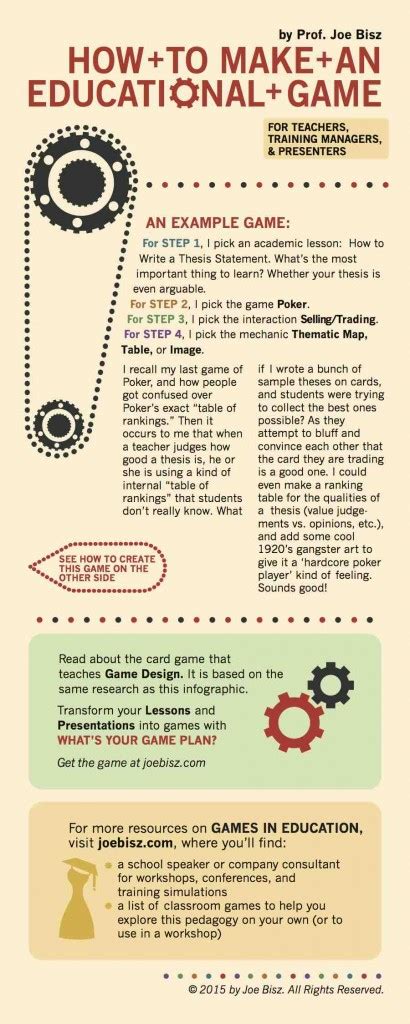
One of the most effective methods is to dissect a complex mechanic into its fundamental components. Instead of explaining everything at once, guides should introduce one core concept, explain it thoroughly, and then show how it connects to the next. For instance, a guide on a real-time strategy game might first explain resource gathering, then unit production, then basic combat, and finally how these elements combine for early game strategy.
2. Visual Aids and Demonstrations
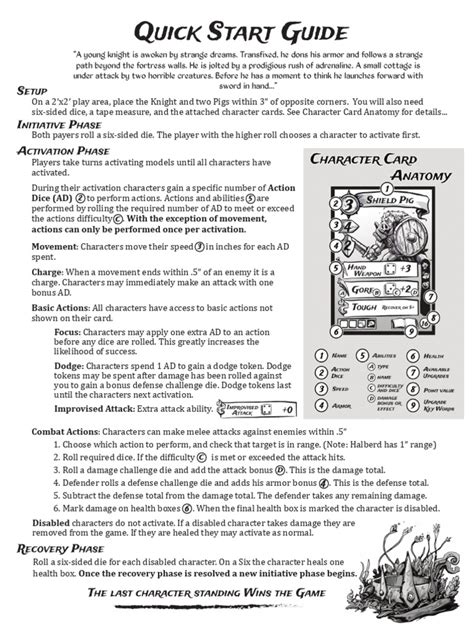
Text alone can struggle to convey certain spatial or timing-based mechanics. Screenshots, diagrams, and animated GIFs (or references to short video clips) are immensely powerful. Showing an optimal build order, a specific combat rotation, or the precise timing for a parry is far more effective than trying to describe it in words. Guides should incorporate visuals that highlight key UI elements, demonstrate sequences, or illustrate abstract concepts.

3. Using Relatable Analogies
Connecting new, complex game mechanics to real-world concepts or mechanics from other, more familiar games can significantly speed up comprehension. If a game’s crafting system works like a ‘puzzle’ where components must fit together, or its economy resembles a ‘stock market’ with supply and demand, drawing these parallels can provide instant mental models for new players.
4. Progressive Learning and Scaffolding
Good guides don’t dump all information at once. They employ scaffolding, gradually removing support as the player’s understanding grows. This means starting with very basic, essential information, then introducing more advanced or situational details only when the player is ready. A guide might first explain how to perform a basic attack, then introduce special abilities, then combo attacks, and finally advanced movement techniques.

5. Focusing on Core Essentials First
In many games, 80% of success comes from mastering 20% of the mechanics. Effective beginner guides identify and prioritize these critical 20%. They teach players what they need to know to get started and survive, rather than overwhelming them with every single niche detail. Advanced strategies and optimizations can be reserved for intermediate or advanced guides.
6. Practical Application and Practice
Understanding a mechanic intellectually is one thing; executing it skillfully is another. Guides should encourage and, where possible, simulate practical application. This might involve recommending specific in-game scenarios to practice a new ability, suggesting mini-challenges, or even linking to community practice maps. The best learning happens by doing.

Best Practices for Guide Creators
- Clear, Concise Language: Avoid jargon where possible, or explain it immediately if necessary.
- Logical Flow: Organize content in a way that builds understanding progressively.
- Interactive Elements (where possible): In-game tutorials are the ultimate guide, but static guides can prompt players to try things.
- Patient Tone: Acknowledge that learning takes time and encourage experimentation.
- Up-to-Date Information: Games evolve, and guides must keep pace with patches and updates.
The Impact of Well-Crafted Guides
Ultimately, a successful beginner guide transforms a potentially frustrating introduction into an engaging learning experience. It reduces player attrition, increases engagement, and helps new players appreciate the depth and enjoyment a complex game has to offer. By simplifying the intricate, these guides don’t just teach mechanics; they foster a love for the game itself, paving the way for a vibrant and growing player community.