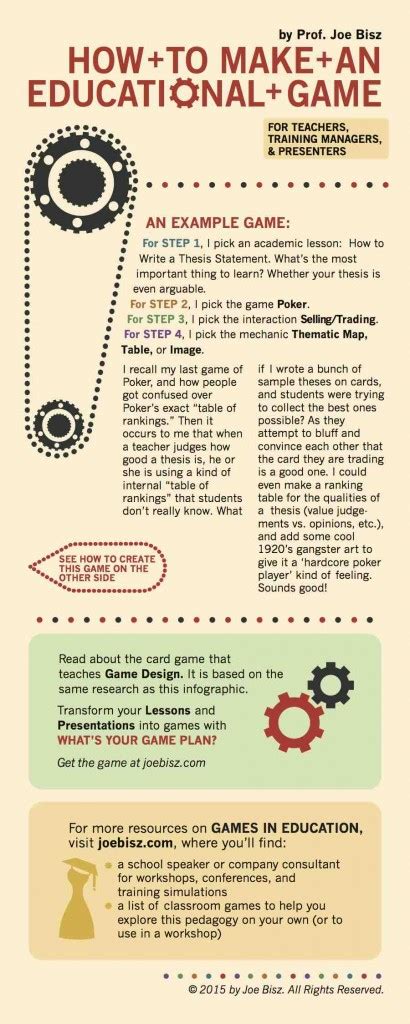
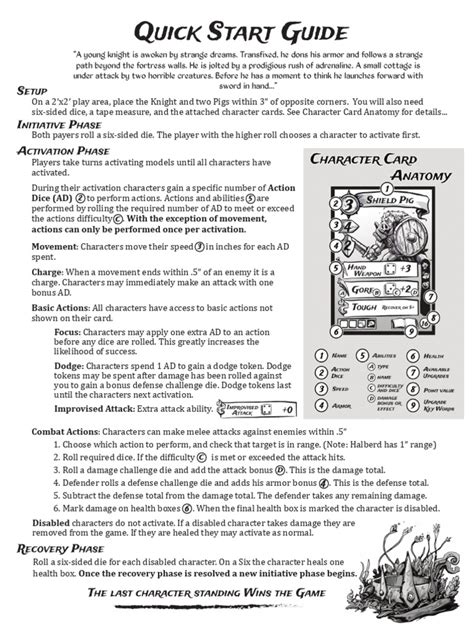
How can game beginner guides provide actionable steps without info overload?

The exhilarating world of gaming can be daunting for newcomers. Faced with complex mechanics, vast open worlds, and intricate systems, a beginner guide is often their first port of call. But how do you arm a nascent player with the essential knowledge and actionable steps without drowning them in an ocean of information? The key lies in strategic design that prioritizes clarity, progression, and practical application over exhaustive detail.
The Peril of Information Overload for New Players
Imagine diving into a new game, eager to learn, only to be met with a guide that’s essentially a game encyclopedia. Walls of text, endless statistics, and detailed breakdowns of every single item, ability, or lore tidbit can quickly overwhelm. This “analysis paralysis” often leads beginners to abandon the guide, or worse, the game itself, feeling inadequate or frustrated. The goal of a beginner guide isn’t to make them an expert instantly, but to empower them to take their first meaningful steps.
Prioritize the Essentials: The ‘Need-to-Know’ First Approach
The most effective guides ruthlessly filter information. Instead of listing every single character stat or weapon attribute, identify the absolute core concepts a player needs to understand to complete their first quest, win their first encounter, or build their first structure. What are the essential controls? What’s the primary objective? What’s the most straightforward path to early success? Focus on these ‘need-to-know’ elements and defer ‘nice-to-know’ details to later sections or advanced guides.
Think about the critical path of early gameplay. Each piece of information presented should directly contribute to the player’s ability to progress through that initial hurdle. Avoid tangents or deep dives into advanced strategies until the foundational understanding is firmly established.
Chunking Information and Progressive Disclosure
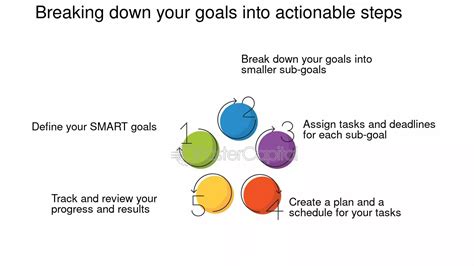
Breaking down complex topics into smaller, digestible chunks is crucial. Instead of one massive section on “Combat,” create smaller segments like “Basic Attacks,” “Defending,” “Using Abilities,” each with its own focused explanation and set of actionable instructions. Progressive disclosure means revealing information only when it becomes relevant or necessary. Don’t explain endgame mechanics at the start of the game. Introduce concepts incrementally as the player encounters them in their gameplay journey.
This approach mimics how many games onboard players organically, through tutorials and early missions. A well-designed guide should echo this learning curve, providing information just-in-time rather than all-at-once.
Actionable Steps and Practical Examples
Theory is useful, but practice is paramount. A beginner guide must be rich with actionable steps. Instead of “Understand your inventory,” write “Press ‘I’ to open your inventory. To equip an item, drag it from your inventory slot to the character equipment slot.” Each instruction should be clear, concise, and tell the player exactly what to do. Where possible, use examples directly from early gameplay scenarios.
Demonstrations, even text-based ones, can be incredibly powerful. A simple “For example, when you encounter a weak enemy in the tutorial, try using your basic attack (Left Click) three times to defeat it” can guide a player far better than an abstract explanation of combat mechanics.
Visual Reinforcement and Clear Call-to-Actions
While we’re generating text, it’s vital to remember that excellent guides often employ visuals. Screenshots, diagrams, and highlighted UI elements can convey information far more efficiently than text alone. Even without images, a text guide can use formatting (bolding, bullet points, numbered lists) to make actionable steps stand out. Finally, every section or chunk of information should ideally end with a clear “Now try this!” or “Your next goal is…” call to action, prompting the player to immediately apply what they’ve learned in the game.

These immediate prompts solidify learning and provide a sense of accomplishment, encouraging players to continue their journey with newfound confidence.
Conclusion: Guiding, Not Dictating
Crafting a game beginner guide that delivers actionable steps without info overload is an art. It requires empathy for the new player, a deep understanding of the game’s core loop, and a commitment to clarity and conciseness. By prioritizing essential information, chunking content, using progressive disclosure, focusing on actionable steps, and reinforcing with clear calls-to-action, guides can effectively welcome new players into a game’s world, empowering them to explore and enjoy without feeling overwhelmed.