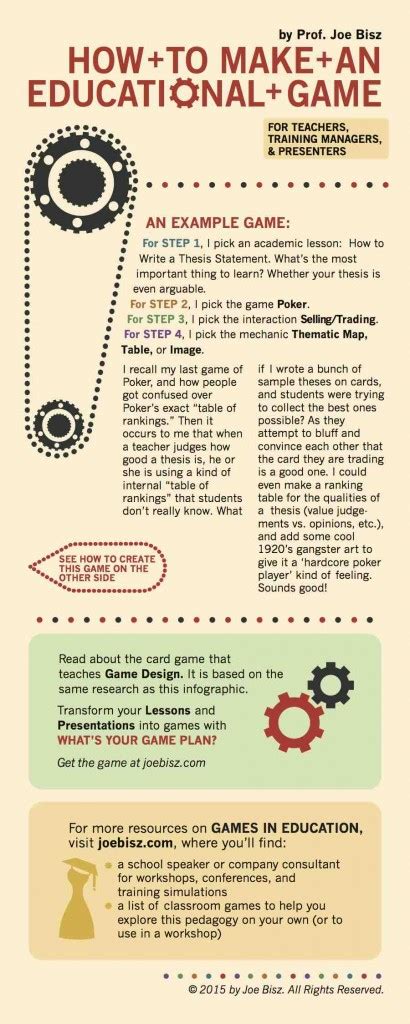
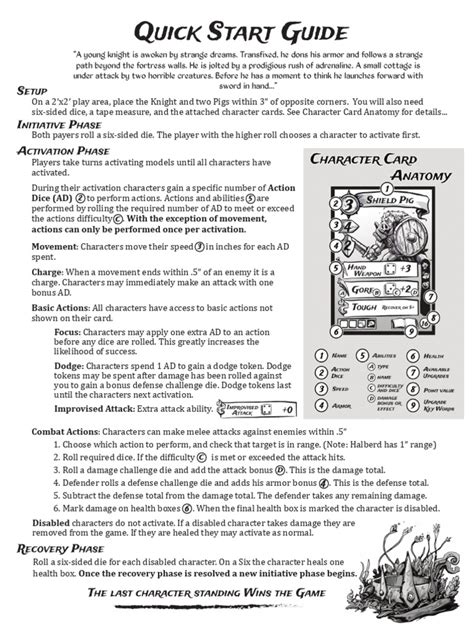
How can game beginner guides effectively simplify core mechanics for immediate play?
The Onboarding Dilemma: Overwhelm vs. Engagement
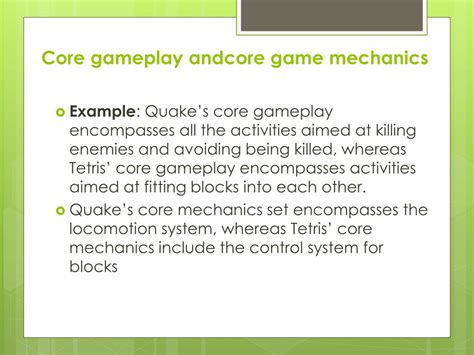
For many newcomers, diving into a complex video game can feel like trying to swim in an ocean without ever having learned to float. Modern games often feature intricate mechanics, vast worlds, and deep systems that, while rewarding for veterans, can be daunting for beginners. The primary goal of an effective beginner guide isn’t to teach every single nuance, but to provide just enough understanding to enable immediate, enjoyable play. Simplifying core mechanics means stripping away complexity to reveal the essential actions required for basic interaction and progress.
The challenge lies in striking a delicate balance: providing sufficient information without overwhelming the player. A guide that’s too exhaustive can be just as off-putting as no guide at all. The key is to focus on the ‘what and how’ of immediate action, deferring the ‘why’ and advanced strategies until the player has a foundational grasp.

Prioritize “Play Now” Over “Know Everything”
The most effective beginner guides adopt a ‘learn by doing’ philosophy, getting players into the game world and performing core actions as quickly as possible. This means front-loading the most critical information and enabling immediate agency.
Focus on the Absolute Essentials
Identify the absolute minimum set of mechanics a player needs to understand to take their first meaningful steps. For an RPG, this might be movement, basic attack, and opening the inventory. For a strategy game, it could be unit selection, movement, and a primary command. De-emphasize secondary systems, crafting intricacies, or advanced combat maneuvers until the player has successfully executed these core actions several times.
Progressive Disclosure: The Layered Approach
Rather than dumping all information at once, introduce mechanics progressively as they become relevant. As players encounter new challenges or unlock new abilities, that’s the opportune moment to introduce the corresponding mechanic. This contextual learning is far more effective than abstract explanations, as players immediately see the utility of what they’re learning.
Visuals and Interactive Learning: Showing, Not Just Telling
Text-heavy manuals are often ignored. Modern guides leverage visual and interactive elements to make learning intuitive and engaging.
In-Game Tutorials and Sandbox Modes
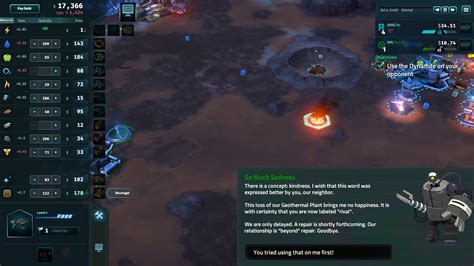
Interactive tutorials that guide players step-by-step through core actions within the game environment are invaluable. These often involve on-screen prompts, highlighted UI elements, and forced actions that ensure the player successfully performs the mechanic. Sandbox or training modes allow players to experiment freely without pressure, reinforcing learned actions.
Clear Language and Contextual Cues
Avoid game-specific jargon where possible, or clearly define it upon first use. Use simple, direct language. Contextual pop-ups or tooltips that appear when a player first encounters a new item, enemy, or UI element can provide timely, relevant information without interrupting the flow of play.
Scaffolding and Guided First Steps
Good beginner guides often act as a ‘scaffold,’ providing support that is gradually removed as the player gains confidence and proficiency. This involves setting clear, achievable initial goals.
Goal-Oriented Tasks
Presenting the initial learning in the form of simple quests or objectives gives players a sense of purpose and achievement. “Go here and talk to this person,” “Collect 5 of these items,” or “Defeat 3 enemies” are more engaging than abstract instructions, and naturally guide players through the core loops of the game.
Quick Reference and Optional Deep Dives
While streamlining initial learning, it’s helpful to provide easily accessible resources for when players want to learn more. An in-game codex, a linked wiki, or a dedicated ‘help’ section can serve as a comprehensive knowledge base for those who wish to delve deeper, without forcing it upon casual learners.
Testing and Iteration: The User Experience is Key
The effectiveness of a beginner guide isn’t theoretical; it must be proven through user testing. Observing actual new players struggling (or succeeding) reveals invaluable insights into where the guide falls short or excels. Iterating on the guide based on this feedback is crucial to perfecting the onboarding experience.
This iterative process ensures that the guide remains relevant and genuinely helpful, adapting to player behavior and common points of confusion. A truly effective guide is never ‘finished,’ but continuously refined to best serve its audience.
Conclusion: Fostering Sustained Engagement
Ultimately, the goal of simplifying core mechanics in a beginner guide is not just to teach, but to entertain and retain. A frustrated new player is a player lost. By providing a clear, engaging, and practical pathway into the game’s essential systems, guides empower immediate play, build confidence, and lay the groundwork for a long and enjoyable player journey. It’s about opening the door to fun, not overwhelming with an encyclopedia of knowledge.