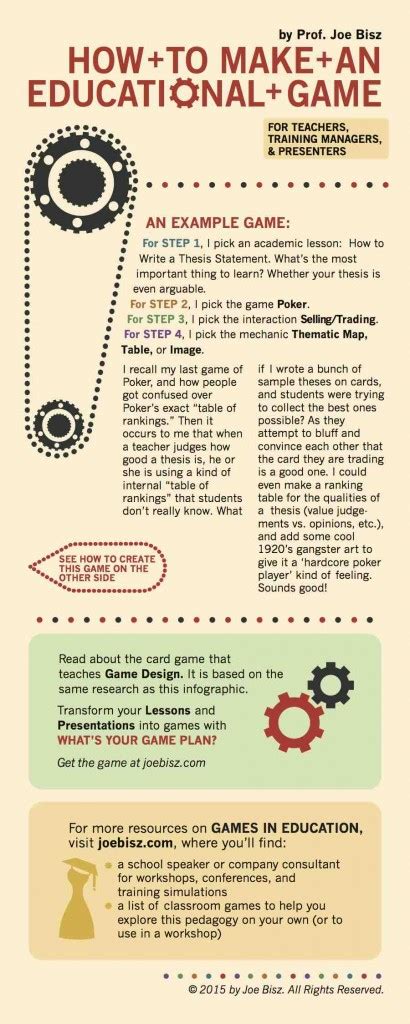
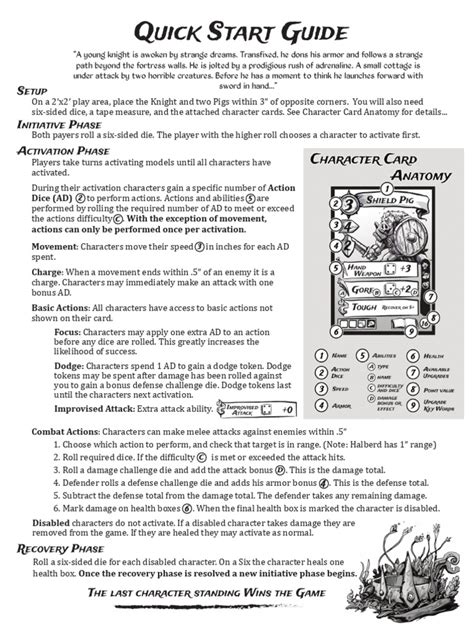
How can game beginner guides effectively break down complex mechanics & jargon for new players?

The Crucial Role of Beginner Guides in Gaming
Entering a new game, especially one with deep systems or a rich, established lore, can often feel like being dropped into the deep end of a swimming pool. New players are frequently bombarded with complex mechanics, obscure terminology, and an overwhelming array of options. This initial confusion can be a significant barrier to entry, leading many to abandon a game before truly experiencing its potential. This is where well-crafted beginner guides become indispensable, serving as a lifeline that navigates new players through the initial complexities and helps them build a solid foundation.

Demystifying Complex Game Mechanics
Complex mechanics are the heart of many engaging games, offering depth and strategic possibilities. However, for a beginner, these can appear as an impenetrable wall. Effective guides employ several strategies to break them down:
1. Start with the Basics, Build Gradually
A good guide doesn’t throw everything at once. It introduces core concepts incrementally, ensuring mastery of one element before moving to the next. For instance, explaining movement and basic interaction before delving into advanced combat rotations or resource management. Using simple, short sentences and avoiding parenthetical explanations initially can make a huge difference.
2. Use Analogies and Real-World Comparisons
Relating an abstract game mechanic to a real-world concept can instantly make it more understandable. Is a ‘buff’ like a temporary energy drink? Is ‘agro’ similar to getting someone’s attention? These comparisons bridge the gap between unknown game concepts and familiar experiences.
3. Visual Aids and Step-by-Step Examples
Text alone is often insufficient for explaining intricate processes. Screenshots with annotations, simple diagrams, or embedded video demonstrations (even if implied by the guide’s instructions) can show players exactly what to do and what to expect. A step-by-step walkthrough of a critical early-game mechanic is far more effective than a paragraph of abstract instruction.

4. Focus on ‘Why’ as Much as ‘How’
Understanding the purpose behind a mechanic makes it more intuitive and memorable. Instead of just stating ‘press X to dodge,’ explain ‘pressing X allows you to dodge incoming attacks, temporarily avoiding damage.’ This context helps players integrate the mechanic into their strategic thinking.
Taming the Jargon Beast
Every game, particularly those with a strong community, develops its own lexicon. Terms like ‘DPS,’ ‘CC,’ ‘aggro,’ ‘proc,’ ‘AoE,’ or even specific character names and ability acronyms can be completely alien to a newcomer. Beginner guides must act as translators.
1. Contextual Definitions and Glossaries
The most effective way to introduce jargon is to define it as it appears, preferably in a simple, non-intrusive way (e.g., parenthetically or via a tooltip-like explanation). Additionally, a dedicated glossary section provides a central reference point for players to look up unfamiliar terms at their own pace.
2. Prioritize Essential Jargon
Not all jargon is equally important for a beginner. Guides should introduce the most crucial terms first, explaining them clearly, and gradually layer in more advanced or niche terms as the player progresses. Avoid overwhelming players with a dictionary of terms before they’ve even understood basic movement.

3. Use Standard Language First
Initially, explain concepts using common, easily understood English before introducing the game’s specific jargon. For example, instead of immediately saying ‘your tank needs to hold aggro,’ start with ‘the character designed to take damage needs to keep enemies focused on them.’ Then, you can introduce ‘aggro’ as the shorthand for that concept.
Best Practices for Creating Effective Guides
- Keep it Concise: Long, dense paragraphs are intimidating. Use bullet points, short sentences, and clear headings.
- Accessible Language: Avoid overly academic or technical language. Write as if you’re explaining to a friend who knows nothing about the game.
- Iterate and Gather Feedback: The best guides are often refined based on feedback from actual new players. What did they find confusing? What wasn’t clear?
- Empower, Don’t Spoil: While guiding, avoid giving away too much, especially regarding story elements. The goal is to help them learn to play, not to play for them.
Conclusion
The success of a game often hinges on its ability to welcome and retain new players. By meticulously breaking down complex mechanics with gradual introductions, visual aids, and contextual explanations, and by taming jargon through clear definitions and relatable language, beginner guides transform intimidating experiences into engaging learning journeys. They don’t just teach players how to play; they empower them to confidently explore and enjoy the game world, fostering a new generation of dedicated enthusiasts.