How can first-hour guides for new game players best explain core mechanics simply?

Mastering the First Impression: Simplifying Core Mechanics
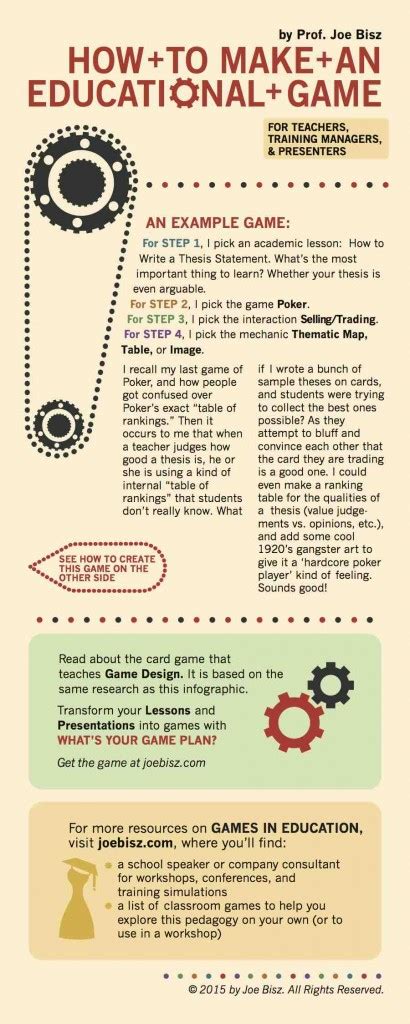
The first hour of a new game is arguably the most critical for player retention. It’s where new players form their initial impressions, grapple with unfamiliar systems, and decide whether to invest more time. An effective first-hour guide doesn’t just inform; it educates, engages, and empowers players, making complex core mechanics feel intuitive and accessible.
Progressive Revelation: Introduce One Mechanic at a Time
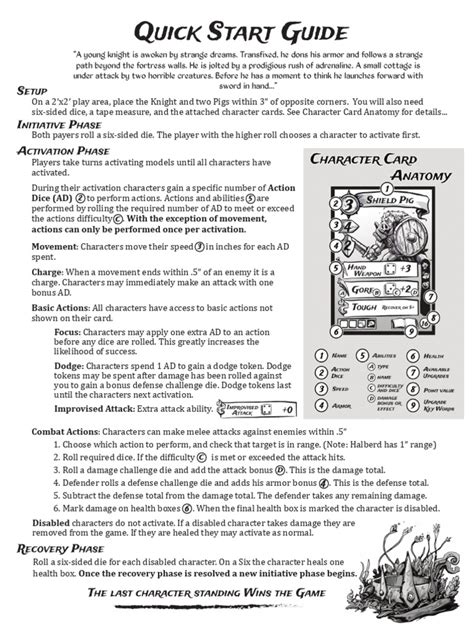
Overwhelming new players with a deluge of information is a surefire way to drive them away. Instead, game guides should adopt a strategy of progressive revelation. Introduce one core mechanic, allow the player to practice and master it, then introduce the next, building complexity gradually. This modular approach ensures that each new piece of information is digestible and doesn’t create cognitive overload.
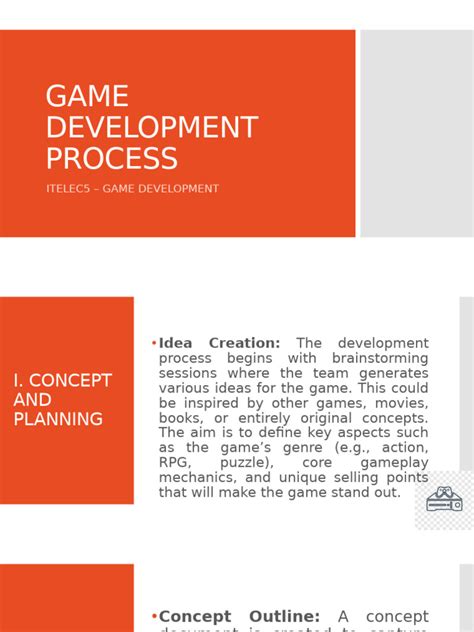
Think of it as building blocks: players learn to place one block firmly before stacking another. This method is particularly effective for games with multiple interweaving systems, such as RPGs or strategy games, where understanding foundational elements is paramount before tackling advanced combinations.
Hands-On Learning with Immediate, Clear Feedback
Players learn best by doing, not by reading long text dumps. First-hour guides should prioritize interactive tutorials where players immediately apply newly learned mechanics. Instead of just describing how to jump, have them jump. Instead of explaining combat, place them in a safe, controlled encounter where they can practice. Crucially, provide immediate and clear feedback on their actions.

Did they successfully perform a combo? Flash a success message. Did they fail to block an attack? Show a clear indicator of the missed action and suggest the correct input. This feedback loop reinforces correct behavior and quickly corrects misunderstandings, transforming mistakes into learning opportunities rather than frustrating dead ends.
Visual Aids and Plain Language: Ditch the Jargon
The language used in first-hour guides must be crystal clear, concise, and free of game-specific jargon. If a term is unique to the game, define it immediately and consistently. Beyond text, leverage visual aids extensively. Use UI highlighting to point directly to relevant buttons or elements, employ simple icons to represent actions or resources, and utilize short, animated demonstrations for complex movements.

A picture, or even better, a short in-game animation, is often worth a thousand words when explaining concepts like inventory management, skill trees, or movement abilities. Ensure visual cues are distinct and not lost amidst other UI elements.
Contextual Explanation: The ‘Why’ Behind the ‘How’
Players are more likely to remember and utilize mechanics if they understand their purpose within the game world. First-hour guides should explain not just ‘how’ to perform an action, but ‘why’ it’s important and what its impact is. For instance, instead of just saying “Press ‘X’ to use your shield,” explain that “Using your shield (X) will block enemy attacks, saving your health and creating an opening for a counterattack.”
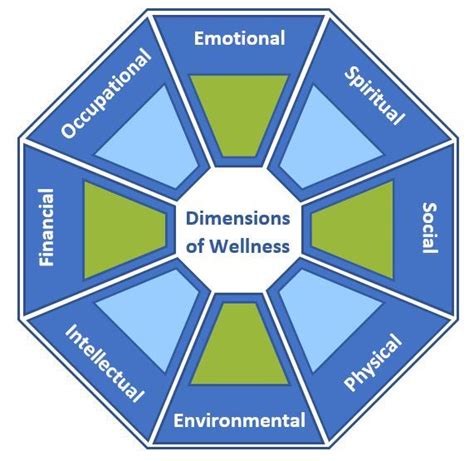
Integrating these explanations directly into the game’s narrative or environmental storytelling can make them feel less like a dry tutorial and more like an organic part of the experience. This contextualization helps players build a mental model of the game’s systems and their strategic value.
Iterative Reinforcement and Gentle Reminders
Even with excellent initial explanations, players may forget mechanics as new ones are introduced or as the game world expands. Effective first-hour guides, and indeed, early-game experiences, incorporate iterative reinforcement. This means occasionally re-introducing or prompting players about core mechanics in new situations or through non-intrusive reminders.

This could be through optional challenge rooms, subtle UI prompts when a mechanic could be beneficial, or even through early-game quests designed to specifically require the use of a learned ability. The goal is to solidify understanding without feeling condescending or repetitive, ensuring players consistently build proficiency.
Conclusion
Crafting first-hour guides that truly simplify core mechanics requires a thoughtful, player-centric approach. By progressively revealing information, prioritizing hands-on learning with clear feedback, utilizing strong visual aids and plain language, providing contextual explanations, and subtly reinforcing concepts, game developers can create an onboarding experience that is both informative and enjoyable, transforming new players into engaged, long-term fans.