How can F2P players identify predatory Gacha mechanics before investing time?
Understanding the Gacha Landscape
Free-to-play (F2P) mobile games, especially those employing gacha mechanics, often walk a fine line between engaging entertainment and manipulative monetization. For players who choose not to spend money, identifying predatory practices early is crucial to avoid investing countless hours into a game designed to frustrate them into opening their wallets. Before diving deep into a new gacha title, a keen eye for specific red flags can save you from buyer’s remorse – or, in this case, time-investor’s remorse.
Beware of Abysmal Drop Rates and Tricky Pity Systems
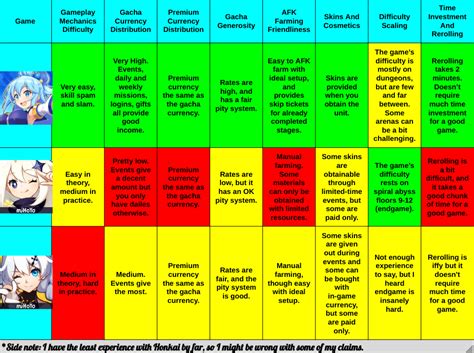
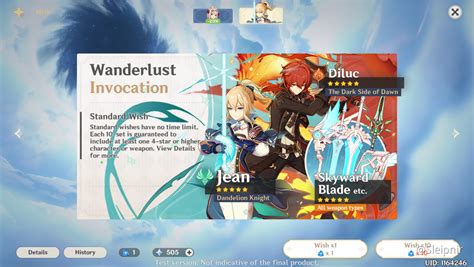
One of the most significant indicators of a predatory gacha game is its drop rates for desirable characters or items. Scrutinize the in-game probability tables. If the rates for top-tier units are exceptionally low (e.g., less than 1%), and the game lacks a clear, generous ‘pity’ or ‘spark’ system, it’s a major red flag. A good pity system guarantees a desired unit after a certain number of pulls, often carrying over between banners. Predatory games might have no pity, reset pity with every new banner, or set the pity count so high it’s practically unreachable for F2P players.
Also, look for ‘rate-up’ banners that barely increase the chance of getting the featured unit while diluting the pool with many other low-value items. A transparent, player-friendly gacha will clearly display probabilities and offer a reliable path to obtaining desired content without excessive spending.
The Relentless March of Power Creep
Power creep is the phenomenon where newly released units or content significantly outclass older ones, rendering previous investments less valuable. While some degree of power creep is natural in evolving games, aggressive power creep is a predatory tactic. If a new character consistently invalidates the ‘meta’ from just a few months prior, and requires players to pull new units simply to keep up, it’s a sign that the game aims to cycle your engagement (and potential spending) constantly. This forces F2P players into a never-ending grind just to acquire units that will soon be obsolete.

Restrictive Stamina and Energy Systems
Many gacha games use a stamina or energy system to limit playtime and encourage purchases for refills. While not inherently predatory, the implementation can be. If the energy cap is very low, regenerates slowly, and essential activities consume large amounts, you’ll quickly hit a wall. This often forces players to either wait extended periods or spend premium currency to continue playing, severely throttling progression for F2P users. A player-friendly system will allow for longer play sessions, offer multiple ways to acquire free energy, and ensure that basic progression isn’t constantly gated by refills.
Mastering the Art of FOMO (Fear Of Missing Out)
Fear of Missing Out (FOMO) is a potent psychological tool in gacha games. Predatory titles leverage this with a relentless barrage of limited-time events, exclusive characters, and ‘one-time only’ bundles. These are designed to create a sense of urgency, pressuring players to make impulsive decisions. Observe if the game constantly cycles through limited content that feels essential for progress or fun. If critical units or valuable resources are only available during short, infrequent windows, and are difficult for F2P players to acquire, it’s a strong indicator of manipulative design.

The Competitive Edge: PvP and Leaderboards
Competitive modes, such as PvP arenas or leaderboards, can amplify predatory mechanics. If these modes offer significant, exclusive rewards that are practically unobtainable without top-tier, often gacha-locked, units or heavy spending, F2P players will quickly feel sidelined. A game that consistently places F2P players at a severe disadvantage in its most rewarding or prestigious modes often aims to push them towards spending to stay competitive. Look for competitive systems that offer diverse reward structures or allow skill and strategy to overcome pure character power.
Opaque Monetization and “Value” Bundles
Examine the in-game store. Predatory games often feature confusing bundles with arbitrary ‘value’ percentages, making it difficult to discern what you’re truly getting for your money (or what value you’re missing out on as F2P). Multiple tiers of premium currency, confusing conversion rates, and constantly changing sale prices can make it hard to track real costs. If the game heavily promotes bundles that seem essential for progress but are prohibitively expensive for F2P equivalent, be wary. A transparent shop with clear pricing and fair F2P alternatives is a good sign.
Leveraging Community Insights and Reviews
Before investing significant time, do your homework. Check out community forums (Reddit, Discord), YouTube reviews, and app store reviews. Experienced players often highlight predatory practices. Look for recurring complaints about low drop rates, aggressive power creep, lack of F2P viability, or unfair monetization. If a significant portion of the community expresses frustration over these issues, it’s a strong signal to approach with caution or avoid the game altogether. Don’t just read the top reviews; delve into the more critical ones for a balanced perspective.
Conclusion: Play Smart, Not Sorry
Being an F2P player in the gacha world requires vigilance. By recognizing the tell-tale signs of predatory mechanics—such as poor drop rates, aggressive power creep, restrictive energy systems, intense FOMO tactics, and unfair competitive environments—you can make informed decisions. Your time is valuable, and no game is worth investing in if its primary design goal is to exploit your engagement rather than genuinely entertain. Choose wisely, play smart, and enjoy games that respect your dedication, regardless of your spending habits.