How can ‘beginner’s first steps’ guides for new games avoid overwhelming players?

New video games, especially complex ones, can be daunting for fresh players. The initial hours often determine whether someone commits to a title or quickly abandons it. A well-crafted “beginner’s first steps” guide is paramount, but the line between helpful and overwhelming is thin. Developers and guide creators must strategically present information to welcome players without drowning them in details.
Embracing the “Less Is More” Principle
One of the most common pitfalls in beginner guides is the urge to explain everything upfront. This leads to information overload, where players read or skip large blocks of text without truly absorbing anything. Instead, guides should focus on the absolute essentials required to start playing and enjoying the core loop of the game. Introduce mechanics only as they become relevant.
Break down complex systems into digestible chunks. For instance, instead of explaining an entire skill tree, teach how to use one basic ability. Jargon should be minimized or explained clearly the first time it appears. The goal is to get players moving and experiencing the game, building confidence with small successes.

Structured and Progressive Learning Paths
Effective guides don’t dump information; they curate a learning journey. This means designing a progressive structure where basic concepts are mastered before advanced ones are introduced. Consider modular guides: a core “Getting Started” section that’s mandatory, followed by optional “Deep Dive” sections for specific mechanics like crafting, combat strategies, or advanced movement.
This approach allows players to learn at their own pace. Those who want to explore every nuance immediately can, while others who prefer a gradual discovery won’t feel pressured. Interactive tutorials, embedded directly within the game’s initial levels, are often more effective than external text documents, providing immediate application of learned skills.
Prioritizing Visuals and Interactive Elements
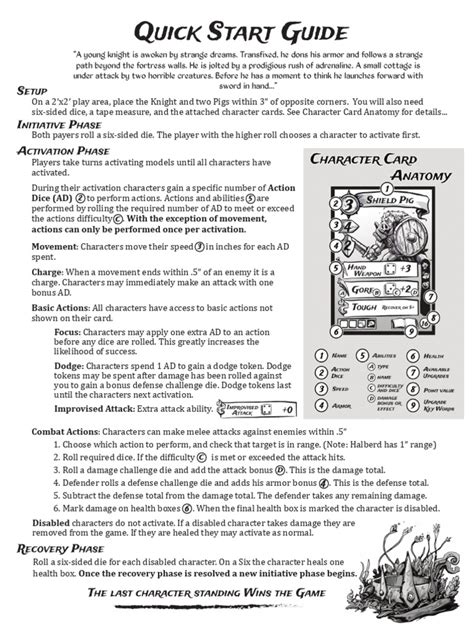
Humans are visual learners. A wall of text, no matter how well-written, is less engaging than a well-placed screenshot, a short animation, or an interactive prompt. Guides should leverage visual aids to demonstrate mechanics rather than just describe them. Use clear arrows, highlights, and short video clips (conceptually, represented by visual descriptions in a guide) to show exactly what to do.
Incorporating interactive elements, such as practice zones or sandbox modes where players can experiment with new skills without pressure, is invaluable. Contextual hints, appearing only when a player is attempting a relevant action, can also gently nudge them in the right direction without being intrusive. These methods transform passive consumption of information into active learning.

Highlighting Essential Information and Avoiding Over-Explanation
Not all information is created equal, especially for a beginner. Guides should explicitly highlight what players absolutely must know to proceed and distinguish it from information that is helpful but optional, or can be learned later. Think of it as a hierarchy of knowledge: core controls and objectives come first, followed by basic strategies, and then advanced tactics or lore.
Resist the temptation to explain every intricate detail of the game world or every possible statistical outcome. While such depth is appreciated by veterans, it can instantly overwhelm newcomers. Summaries, checklists, or “quick tips” boxes can consolidate crucial points without demanding extensive reading, serving as valuable reference points.

Leveraging Community Feedback and Iteration
No guide is perfect on its first draft. Developers and guide creators should actively seek feedback from actual new players during playtesting. Observe where players get stuck, what questions they frequently ask, and what parts of the guide they skip. This user-centric approach is crucial for refining and improving the onboarding experience.
A guide, especially for a live-service game, is a living document. It should be updated as the game evolves, new features are added, or existing mechanics are tweaked. Engaging with the player community can also help identify common pain points and foster a sense of shared learning, with veteran players often contributing valuable insights for new arrivals.

Conclusion
Crafting a truly effective ‘beginner’s first steps’ guide is an art form. It requires empathy for the new player, a deep understanding of the game’s core loop, and a commitment to clarity over comprehensive detail. By adopting principles like progressive learning, prioritizing interactive visuals, and continually refining based on player feedback, guides can transform potential frustration into genuine engagement, ensuring more players stick around to explore the depths of a new game world.