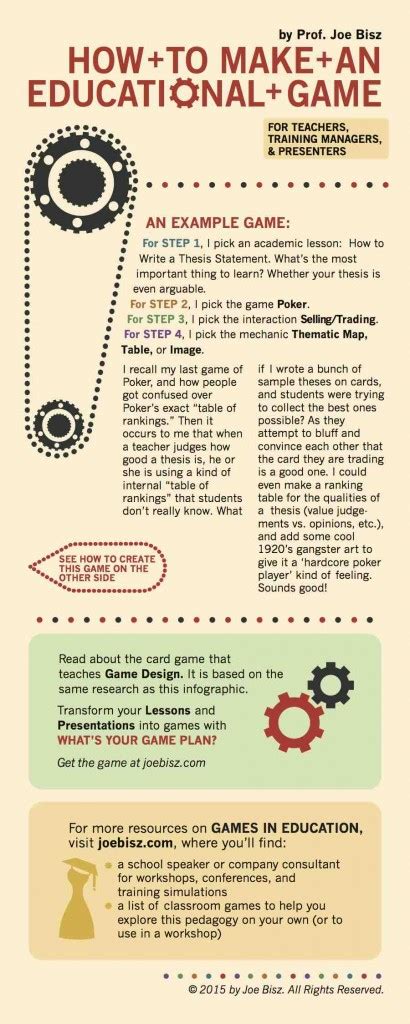
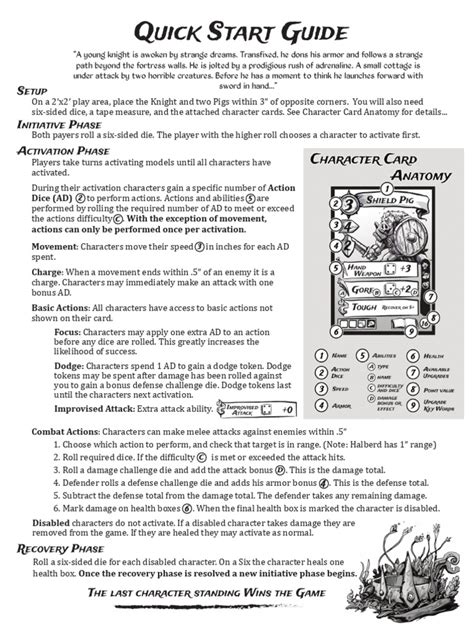
How can beginner guides simplify game mechanics effectively for new players?

Entering a new game can often feel like stepping into an entirely foreign world, especially when its mechanics are complex or unique. For new players, the initial learning curve can be daunting, leading to frustration and, ultimately, abandonment. This is where well-crafted beginner guides become indispensable. Their primary role is to demystify intricate systems, making the game accessible and enjoyable from the outset.
The Importance of Progressive Introduction
One of the most effective strategies for simplifying game mechanics is the progressive introduction of concepts. Instead of overwhelming new players with a deluge of information upfront, a good guide gradually introduces core mechanics, building complexity layer by layer. This approach allows players to master fundamental actions before moving on to more advanced strategies.
Imagine a guide for a real-time strategy game. It wouldn’t immediately throw players into managing a full-scale economy, combat units, and tech trees simultaneously. Instead, it might first teach them how to gather basic resources, then how to build a single unit, then how to engage in simple combat, and so forth. Each new piece of information is presented in context, reinforcing previous lessons.

Leveraging Visual Aids and Practical Examples
Text-heavy explanations can often be a barrier to understanding. Effective beginner guides make extensive use of visual aids such as screenshots, diagrams, and short video clips. Showing rather than just telling can dramatically improve comprehension, especially for spatial or action-based mechanics.
Furthermore, practical examples are key. Instead of abstractly describing how a ‘buff’ works, a guide might show a specific character receiving a buff, illustrate its effect on their stats, and then demonstrate how it impacts gameplay in a particular scenario. This contextual learning helps players connect theoretical knowledge with practical application.
Clear, Concise, and Relatable Language
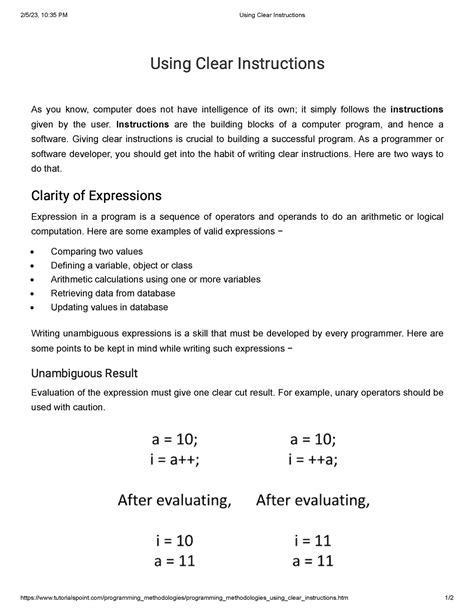
Jargon is the enemy of the beginner. A strong guide avoids overly technical terms or explains them clearly when necessary. It uses simple, direct language that resonates with someone unfamiliar with the game’s specific lexicon. Analogies to real-world concepts or other common game genres can also be highly effective in bridging understanding gaps.
For instance, explaining a ‘cooldown’ ability as something that needs to ‘recharge’ before it can be used again is far more intuitive for a new player than a purely technical definition.
Interactive Tutorials and Hands-On Practice
While reading is helpful, doing is essential. The most effective beginner guides integrate interactive tutorials that allow players to immediately apply what they’ve learned. These could be guided exercises, mini-games, or a dedicated training mode that provides immediate feedback.
Hands-on practice solidifies understanding and builds muscle memory, transforming abstract concepts into practical skills. A guide might walk a player through their first crafting recipe step-by-step, prompting them to click on specific items and actions, rather than just listing the ingredients and instructions.
Avoiding Information Overload and Redundancy
A common pitfall for beginner guides is trying to cover too much too soon. While comprehensive, an overwhelming amount of information can be as detrimental as too little. Effective guides focus on essential mechanics first, leaving advanced details for later stages or separate, more specialized guides.
They also ensure that information is presented efficiently, avoiding redundant explanations. Each segment should contribute new, valuable knowledge without repeating what has already been covered, keeping the player engaged and focused on learning rather than sifting through repeated content.

Conclusion
Beginner guides are the gateway to a game’s deeper experience. By focusing on progressive introduction, utilizing strong visual and practical examples, employing clear language, facilitating interactive practice, and carefully managing information flow, these guides can transform what could be a frustrating onboarding experience into an exciting journey of discovery. Ultimately, effective simplification doesn’t just teach players how to play; it empowers them to enjoy and master the game on their own terms, fostering a loyal and engaged player base.