How can beginner guides make first steps in complex games efficient and engaging?

Navigating the Labyrinth: The Challenge for New Players
Complex games, with their intricate mechanics, sprawling worlds, and deep lore, can present a daunting barrier to entry for newcomers. The initial hours often involve a steep learning curve, where players might feel overwhelmed by a deluge of information, unfamiliar systems, and a lack of clear direction. A poorly designed onboarding experience can quickly lead to frustration and player abandonment, regardless of the game’s underlying quality.
The goal of an effective beginner guide, whether in-game or external, is to transform this potential frustration into an enjoyable and empowering journey. It’s about providing the right information at the right time, in a way that not only teaches but also excites and motivates the player to delve deeper into the game’s world.

Efficiency: Streamlining the Learning Curve
Bite-Sized Information Delivery
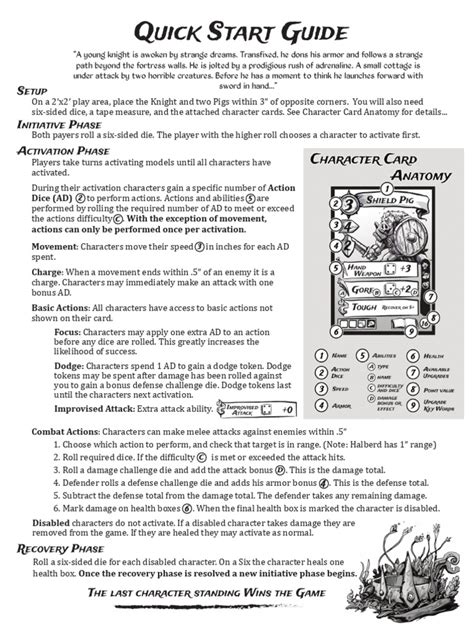
One of the most crucial aspects of an efficient guide is breaking down complex systems into manageable, digestible chunks. Instead of presenting a massive wall of text or an hour-long unskippable cinematic, guides should introduce concepts incrementally. This can be achieved through:
- Contextual Tooltips: Appearing only when a new UI element or mechanic is encountered.
- Short, Focused Tutorials: Covering one concept or skill at a time, allowing players to practice immediately.
- Visual Aids: Using clear icons, diagrams, and highlighted elements to draw attention to important information.
Prioritizing Core Mechanics
Not all information is equally important at the outset. An efficient guide focuses on teaching the absolute essentials first – movement, basic combat, inventory management, or whatever the core loop of the game entails. Secondary systems, advanced strategies, or deep lore can be introduced gradually as the player gains proficiency in the fundamentals. This prevents information overload and builds a strong foundation.

Guided Progression and Clear Objectives
Players need a sense of direction. Well-structured beginner guides often integrate learning into a series of clear, achievable objectives or ‘quests.’ These mini-missions guide the player through the initial mechanics, providing immediate feedback and a sense of accomplishment upon completion. This structured progression instills confidence and a clear path forward, making the game feel less like a bewildering sandbox and more like an unfolding adventure.
Engagement: Keeping Players Hooked from the Start
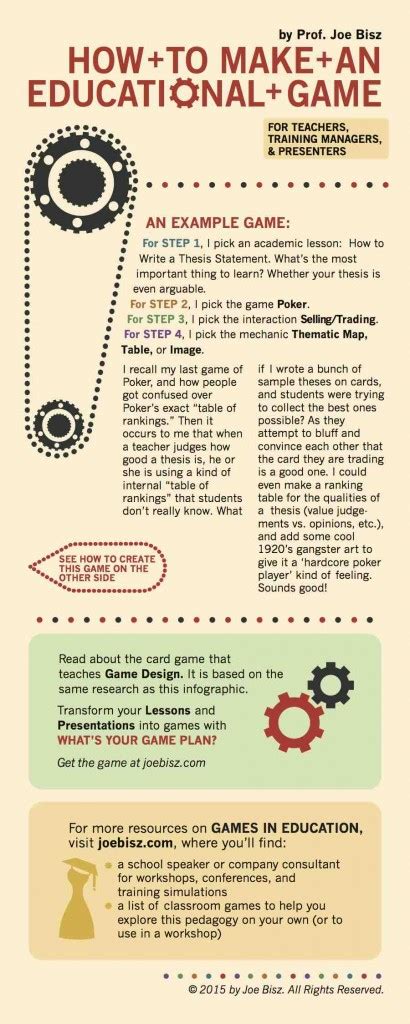
Gamifying the Learning Experience
Learning doesn’t have to be a chore; it can be part of the fun. Integrating elements like mini-challenges, rewarding achievements for mastering new skills, or unlocking cosmetic items for completing introductory tasks can turn the learning process into an engaging game within itself. Positive reinforcement through rewards motivates players to continue experimenting and learning.
Integrating Learning with Narrative
For story-rich games, weaving the tutorial into the game’s narrative or lore can significantly boost engagement. Instead of a dry instruction manual, the player learns skills as a natural part of their character’s journey. A wise mentor teaching combat, or a quest to retrieve a lost item that involves exploring the inventory system, makes the learning feel organic and immersive rather than didactic.

Interactive and Experiential Learning
Humans learn best by doing. Beginner guides should prioritize hands-on experience over passive reading or watching. Allowing players to immediately apply new skills in a controlled environment, such as a training dummy for combat or a simplified crafting station, reinforces learning and builds muscle memory. This active engagement creates a deeper understanding than mere theoretical knowledge.
Fostering a Sense of Accomplishment
Beyond individual rewards, guides should consistently reinforce the player’s progress. Visible skill trees, clear quest logs showing completed tasks, or even simple congratulatory messages after mastering a new mechanic contribute to a powerful sense of achievement. This positive feedback loop encourages players to tackle the next challenge, knowing their efforts are recognized and valued.

The Perfect Balance: Efficiency Meets Engagement
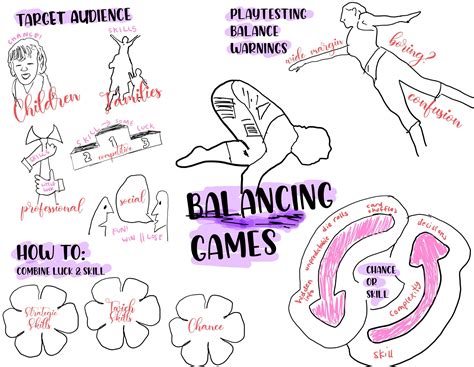
The true art of a successful beginner guide lies in striking a delicate balance between efficiency and engagement. A guide that is too efficient might be dry and uninspiring, while one that is overly engaging but lacks clarity can still lead to confusion. Designers must iterate and test extensively to find the sweet spot where information is delivered concisely but with enough flair and interaction to keep players captivated.
This balance often means allowing player agency where possible, offering optional deeper dives for curious learners, and providing clear signposts for those who prefer a more streamlined experience. Ultimately, the goal is to empower players to confidently take their first steps, ensuring they feel capable and excited about the vast experiences that await them.
Conclusion: Empowering the Next Generation of Players
Beginner guides are not just a necessary evil; they are a critical component of a game’s design, capable of shaping a player’s entire perception and longevity with the title. By focusing on efficient information delivery through chunking and prioritization, coupled with engaging elements like narrative integration, gamified learning, and a strong sense of accomplishment, developers can transform the daunting first steps into an inviting gateway. A well-crafted beginner experience ensures that more players not only stick with complex games but also thrive in them, unlocking the full potential and enjoyment these intricate worlds have to offer.