How can beginner guides for diverse games quickly teach essential controls & initial strategy?
Mastering the First Steps: Effective Game Guides for Beginners
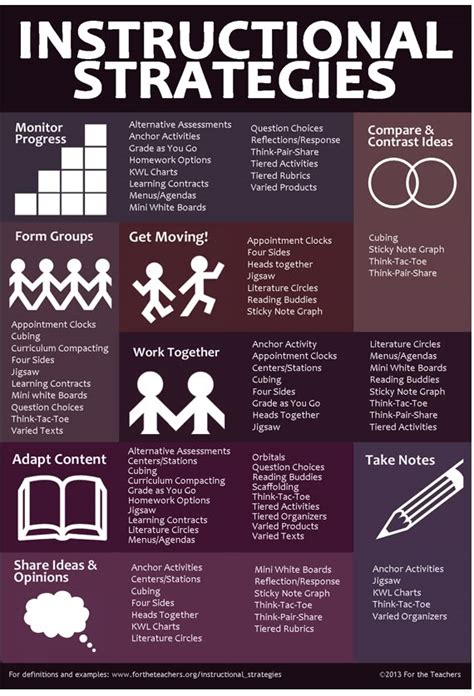
Entering the vibrant world of video games can be exhilarating, but for new players, the initial learning curve can often feel steep. Diverse game genres, from complex real-time strategies to fast-paced action RPGs, each demand a unique set of skills and knowledge. The challenge for game developers and guide creators lies in quickly and effectively teaching essential controls and initial strategy to beginners, ensuring they don’t feel overwhelmed and instead embrace the fun.
Streamlining Control Acquisition
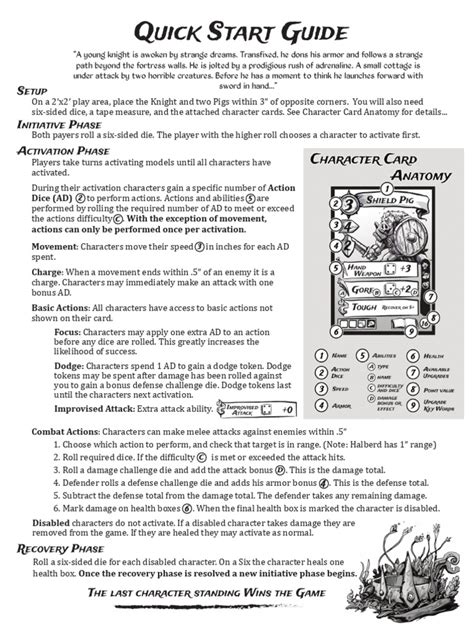
One of the primary hurdles for new players is memorizing and executing game controls. An effective beginner guide doesn’t just list controls; it integrates learning seamlessly into the initial gameplay experience.
Contextual and Progressive Introduction
Instead of a dense tutorial screen, controls should be introduced progressively as they become relevant. For example, movement controls are taught in an open area, followed by interaction controls when the player encounters an object, and combat controls only when the first enemy appears. This “learning-by-doing” approach allows players to build muscle memory naturally.
Clear Visual Cues and UI Integration
On-screen prompts, often accompanied by visual indicators (e.g., “Press ‘W’ to Move Forward” with an arrow), are invaluable. These cues should be prominent but unobtrusive, fading once the player demonstrates proficiency. Highlighting relevant UI elements or using simple, universal icons for actions further reduces cognitive load.
Controller Agnosticism and Customization
Modern games are played on various platforms with different input methods. Guides should clearly present mappings for keyboards, mice, and popular controllers, ideally allowing players to switch between visual aids. Offering control remapping options, even in early stages, empowers players and accommodates personal preferences.

Laying the Groundwork for Initial Strategy
Beyond simply knowing how to move or attack, new players need to grasp the fundamental strategies that define a game’s core loop. This is where many guides falter, either offering too little guidance or too much complex information.
Scenario-Based Learning with Guided Play
Introduce initial strategic concepts through carefully designed, low-stakes scenarios. Instead of explaining “resource management,” put the player in a situation where they must gather resources to progress. Provide hints or “training wheels” that gently steer them towards optimal decisions without explicitly solving the puzzle for them. This hands-on approach reinforces learning and demonstrates the consequences of different choices.
Focused on Core Principles, Not Exhaustive Tactics
A beginner guide’s goal isn’t to make players experts, but to equip them with the foundational knowledge to understand the game’s strategic “DNA.” This might include understanding positioning in a tactical RPG, the importance of timing in a rhythm game, or basic economic principles in an RTS. Avoid overwhelming details about advanced builds, character synergies, or niche counters initially.
“Show, Don’t Just Tell”
Visual demonstrations can be far more effective than text descriptions. This could involve short, optional video clips demonstrating optimal enemy engagement, an AI companion showcasing effective use of an ability, or even an interactive sandbox where players can experiment with mechanics in a safe environment. Seeing successful application in action helps players internalize strategies faster.
Adapting to Diverse Game Genres
The beauty of games lies in their diversity, and beginner guides must reflect this. While the core principles of progressive learning and clear communication remain, the specific implementation will vary:
- Action/Adventure: Focus on movement, combat combos, and environmental interaction.
- Strategy/Simulation: Emphasize resource gathering, unit production, and basic decision-making trees.
- RPGs: Introduce character progression, quest navigation, and simple combat roles.
- Puzzle Games: Highlight core mechanics and introduce increasingly complex iterations of those mechanics.
The key is a modular guide design that can be tailored to the unique demands of each genre, ensuring that the “first hour” of gameplay is engaging, informative, and ultimately, fun.

Conclusion
A well-crafted beginner guide is more than just a tutorial; it’s the player’s gateway into a new virtual world. By prioritizing contextual, progressive learning for controls and scenario-based teaching for initial strategy, coupled with clear visual aids and a genre-aware approach, developers can transform potentially daunting first experiences into welcoming and engaging introductions. This not only boosts player retention but fosters a deeper appreciation for the game itself, setting players up for long-term enjoyment and mastery.