How can beginner guides for complex games best simplify core mechanics without overwhelming new players?

Complex video games, with their intricate systems, deep lore, and myriad mechanics, often present a daunting barrier to entry for new players. While veteran players revel in the depth, newcomers can quickly become overwhelmed and abandon a game before truly experiencing its potential. The challenge for game developers and guide creators alike is to design a beginner experience that effectively simplifies core mechanics without stripping away the game’s essence or inundating players with too much information at once.
The Art of Progressive Disclosure
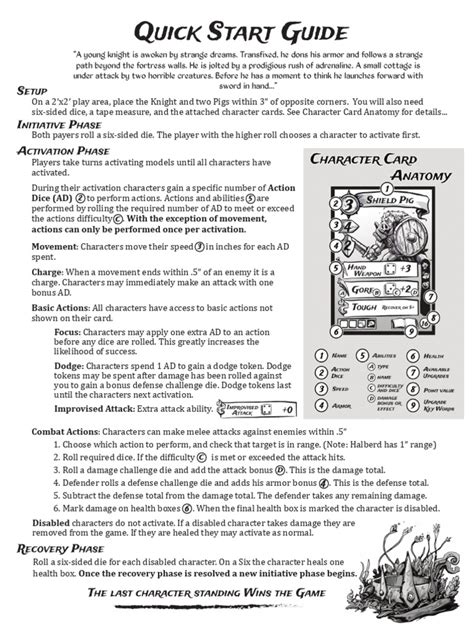
One of the most effective strategies for simplifying complex mechanics is through progressive disclosure. Instead of dumping all information at the outset, guides should introduce concepts incrementally, building upon previously learned skills. This approach mimics how we learn in real life, starting with fundamentals and gradually adding layers of complexity.
- Layered Learning: Begin by explaining only the absolutely essential controls and immediate objectives. Once these are grasped, introduce a new mechanic that naturally follows or expands upon the first.
- Contextual Introduction: Present new information when it becomes relevant to the player’s immediate goal. For instance, explain crafting only when the player needs to craft an item, not in the initial tutorial.

Leveraging Visuals and Interactive Learning
Text-heavy guides can be monotonous and ineffective for visual learners. Integrating strong visual aids and interactive elements significantly enhances comprehension and engagement.
- Annotated Screenshots and Diagrams: Clearly label elements within game screenshots to explain UI components, character stats, or environmental hazards. Flowcharts can demystify complex decision trees or build orders.
- Short, Focused Videos: For mechanics involving timing or dynamic interactions, a short video clip demonstrating the action is often more effective than paragraphs of text.
- Interactive Practice Zones: Allow players to experiment with a new mechanic in a low-stakes environment. This hands-on experience solidifies understanding far better than passive reading.

Prioritizing Core Mechanics Over Edge Cases
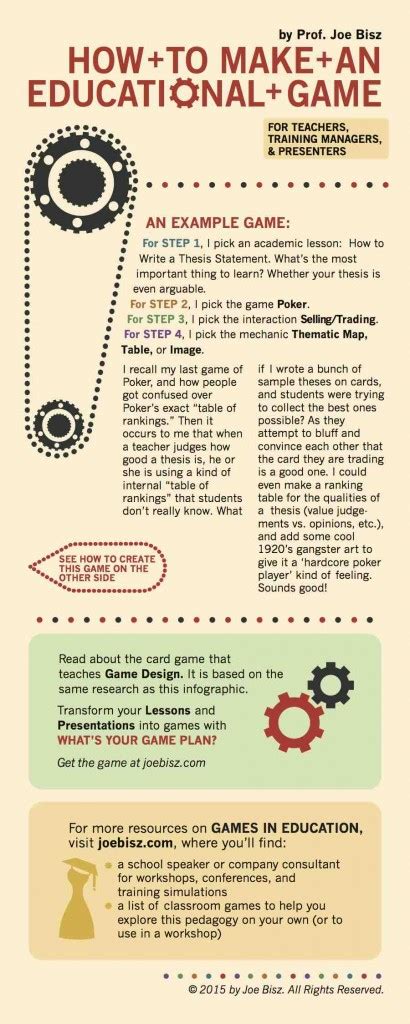
Complex games often have numerous nuanced mechanics and advanced strategies. Beginner guides should ruthlessly prioritize, focusing on the 20% of mechanics that will provide 80% of the initial success and understanding. Defer advanced tactics and specialized knowledge to intermediate guides.
- Identify Win Conditions: Start by explaining what players need to do to succeed at the most basic level. What are the primary objectives? How do they interact with the world to achieve them?
- Explain the ‘Why’: Instead of just stating ‘this button does X,’ explain *why* doing X is important or beneficial in a given situation. This provides context and motivates learning.

Contextual Learning and Practical Application
Learning is most effective when it’s applied in a practical context. Beginner guides should encourage immediate application of learned concepts within the game world.
- Guided Scenarios: Design mini-quests or challenges that require the player to use a newly introduced mechanic to progress.
- Relatable Examples: Frame explanations using common in-game situations or player goals (e.g., “If you want to gather resources efficiently, focus on these five actions”).
- Feedback Loops: Provide clear and immediate feedback on player actions, helping them understand the consequences of their choices and reinforcing correct usage of mechanics.
Clear, Concise Language and Analogies
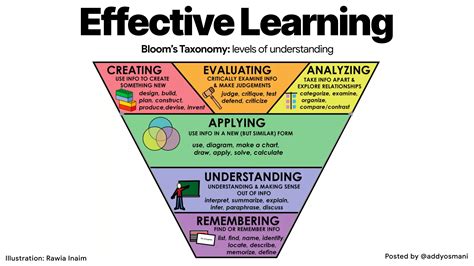
The language used in a beginner guide is paramount. Avoid jargon where possible, or if necessary, explain it clearly and simply. Using analogies can bridge the gap between abstract game mechanics and real-world understanding.
- Simplicity: Use short sentences and straightforward vocabulary. Break down complex sentences into multiple easier-to-digest points.
- Consistent Terminology: Always refer to mechanics, items, and characters by their exact in-game names to avoid confusion.
- Real-World Analogies: Compare a game’s resource management system to balancing a budget, or a tactical combat system to a game of chess. These comparisons provide a familiar framework for understanding.

Conclusion
Crafting an effective beginner guide for a complex game is a delicate balancing act. It requires understanding the cognitive load on new players and strategically deploying information. By embracing progressive disclosure, leveraging visual and interactive tools, prioritizing core mechanics, encouraging practical application, and utilizing clear language, guide creators can transform a potentially overwhelming experience into an engaging and accessible journey. A well-designed beginner guide doesn’t just teach the game; it fosters a love for its depth and ensures player retention, ultimately enriching the entire gaming community.