How can beginner guides for complex games avoid overwhelming new players?
Venturing into a complex video game can be an intimidating experience for new players. The sheer volume of mechanics, systems, and strategies often feels like an insurmountable wall, leading many to abandon a potentially rewarding experience before truly beginning. Effective beginner guides are crucial in bridging this gap, transforming confusion into curiosity. But how can these guides simplify complexity without overwhelming the very audience they aim to help?
The Core Challenge: Information Overload
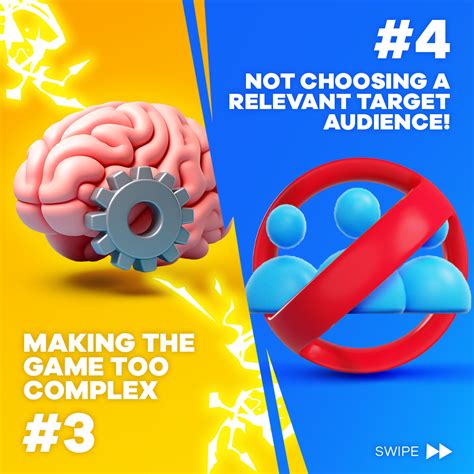
Complex games, whether they are grand strategy titles, intricate RPGs, or fast-paced competitive online games, are built on layers of interconnected systems. For a newcomer, understanding the basic controls is often just the tip of the iceberg. They’re immediately confronted with elaborate user interfaces, extensive skill trees, crafting systems, economic models, and a plethora of strategic choices. A common pitfall for guides is to try and explain everything upfront, drowning the player in details they can’t yet contextualize or appreciate.
Prioritize Core Mechanics: The “Need-to-Know” Foundation
The most effective strategy is to ruthlessly prioritize. A beginner guide should focus exclusively on the absolute essential mechanics required to successfully play the game’s initial stages. What are the core actions, objectives, and systems that enable basic gameplay? For instance, in a Real-Time Strategy game, this might be unit movement and basic resource gathering, not advanced build orders or micro-management techniques. By establishing a solid foundation, players gain confidence before being introduced to more intricate layers.
Distinguish between “need-to-know” information necessary for initial progression and “nice-to-know” details that can be explored later. A good guide allows players to achieve small victories early on, fostering a sense of accomplishment and encouraging further exploration.
Progressive Revelation: Layered Learning
Instead of presenting all information at once, guides should adopt a progressive approach, mirroring how many complex games themselves introduce mechanics. This involves introducing concepts in logical, incremental steps. Think of it as a series of mini-lessons, each building upon the last. Once a player grasps one concept, the guide then moves on to the next related piece of information.
This “walk before you run” methodology can be implemented by structuring guides into modules or chapters, each unlocking new understanding. For example, a combat guide might start with basic attacks, then introduce defensive maneuvers, followed by special abilities, and only much later delve into advanced combos or enemy weaknesses.
![🔴 Depth VS layers [Game Maker Studio 2 | Basics] - YouTube](/images/aHR0cHM6Ly90czIubW0uYmluZy5uZXQvdGg/aWQ9T0lQLmRnVXFTMGpwaWdBM1o5V3RualZxNlFIYUVLJnBpZD0xNS4x.webp)
Interactive Learning: Learning by Doing
Reading about a mechanic is one thing; actively performing it is another. The best beginner guides encourage immediate application of learned concepts. This can manifest as suggested in-game challenges, simple practice scenarios, or even pointing to specific training modes within the game itself. Hands-on experience solidifies understanding and makes the information more memorable than passive consumption.
Guides can also incorporate simple thought experiments or questions that prompt players to consider how a newly learned mechanic might be used in different scenarios, fostering critical thinking and problem-solving skills from the outset.

Clear, Concise, and Visual Communication
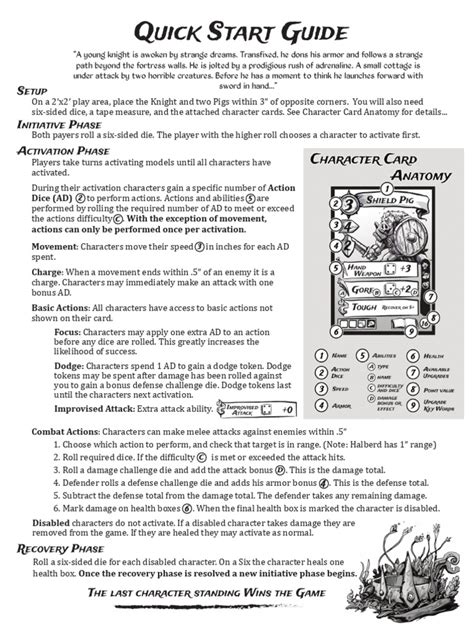
Language is paramount. Guides must use simple, direct language, avoiding jargon wherever possible or explaining it clearly when necessary. Long blocks of text are intimidating; breaking information into short paragraphs, bullet points, and numbered lists significantly improves readability.
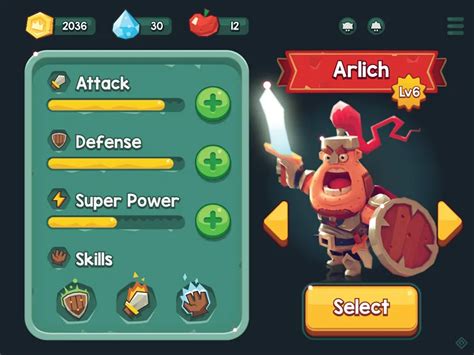
Visual aids are incredibly powerful. Screenshots highlighting specific UI elements, diagrams illustrating complex relationships, or even short animated GIFs (conceptually) can convey information far more efficiently than text alone. These visuals serve as quick references and help contextualize textual explanations, making complex information digestible at a glance.
Resource Management and Accessibility
While a beginner guide should be concise, it doesn’t mean comprehensive resources aren’t available. A well-designed guide will direct players to more advanced or specific information only when they are ready for it. This could be through a “Further Reading” section, links to community wikis, or tutorials for specific builds/strategies.
Furthermore, ensure the guide itself is easy to navigate. A clear table of contents, searchable keywords, and a consistent structure allow players to quickly find the information they need without wading through irrelevant sections. Cater to different learning styles by offering diverse explanations and examples.
Conclusion: Empowering New Explorers
Crafting a beginner guide for a complex game is an art form. It requires empathy for the new player’s perspective and a strategic approach to information delivery. By prioritizing core mechanics, progressively introducing concepts, encouraging interactive learning, employing clear visual communication, and managing advanced resources thoughtfully, guides can transform the daunting entry barrier into an inviting gateway. The goal isn’t just to inform, but to empower new players, fostering their curiosity and ensuring they have the tools to embark on their own exciting journey within the game’s intricate world.