How can beginner guides best simplify complex game mechanics without overwhelming new players?

Understanding the Challenge of Complexity
Many modern video games feature intricate systems, deep lore, and numerous mechanics that can feel like a daunting wall to new players. From sprawling RPG skill trees and combat systems with precise timings to economic simulations and strategic real-time decisions, the sheer volume of information can quickly overwhelm someone just starting out. The goal of a beginner guide isn’t just to explain, but to empower, to transform confusion into competence without inducing frustration. This requires a strategic approach to information delivery, focusing on clarity, conciseness, and a user-centric perspective.
Prioritizing the Essentials: What Players Need First
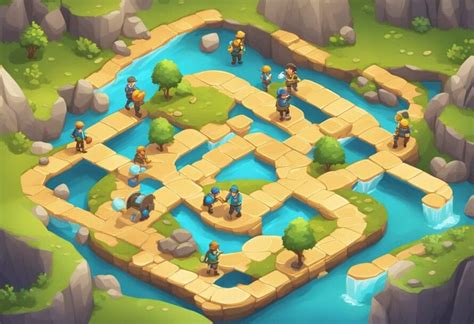
The first step in simplifying complex mechanics is to ruthlessly prioritize. What does a new player absolutely need to know to take their first meaningful steps in the game? Often, guides make the mistake of front-loading too much information, detailing every nuance of a system before the player has even grasped its core purpose. Instead, identify the fundamental concepts and actions required for basic play and focus exclusively on those. Advanced strategies, optional features, and intricate lore can (and should) be introduced much later, once the foundation is solid.
Think of it as learning to drive: you first learn how to start the car, accelerate, brake, and steer. You don’t immediately delve into advanced parking techniques, engine mechanics, or defensive driving maneuvers. These come with experience and as needed. Similarly, game guides should offer just enough information to get the player moving and experiencing success, building confidence before layering on more complexity.
Employing Gradual Introduction and Scaffolding
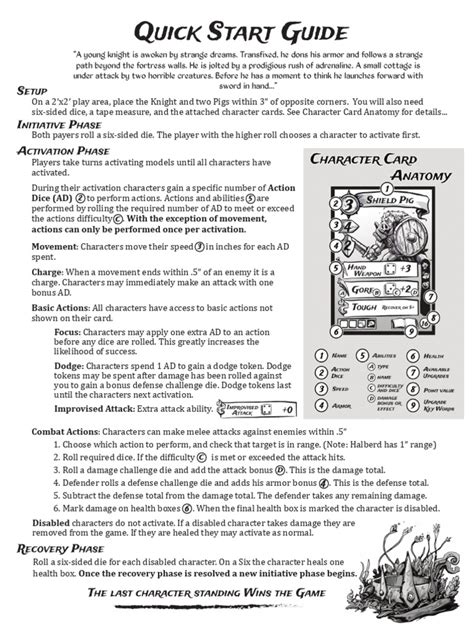
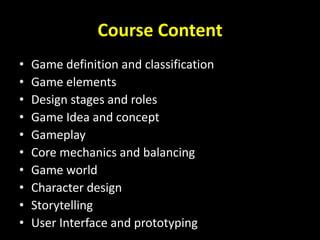
One of the most effective techniques is scaffolding: introducing concepts and skills in a sequence that builds upon previously learned information. This means breaking down large mechanics into smaller, manageable chunks. Instead of explaining an entire combat system at once, a guide might first cover basic movement and attack, then defensive maneuvers, then special abilities, and finally, advanced combos or counters. Each new piece of information is a “scaffold” that supports the understanding of the next, preventing cognitive overload.
Interactive tutorials within the game itself are prime examples of this, often guiding players through each step of a new mechanic. When writing a guide, emulate this by suggesting practice opportunities or highlighting specific in-game scenarios where a newly learned mechanic can be immediately applied. Use clear headings and bullet points to visually break up text, making it easier to digest and refer back to specific points.
Leveraging Visuals and Relatable Language
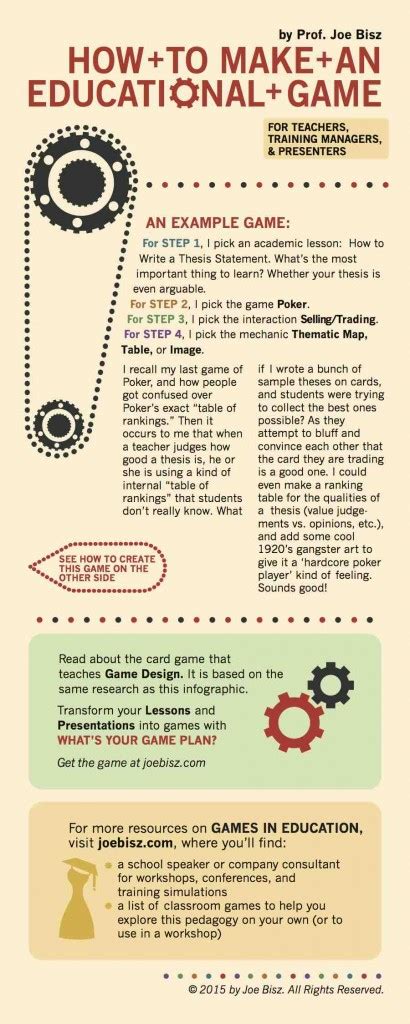
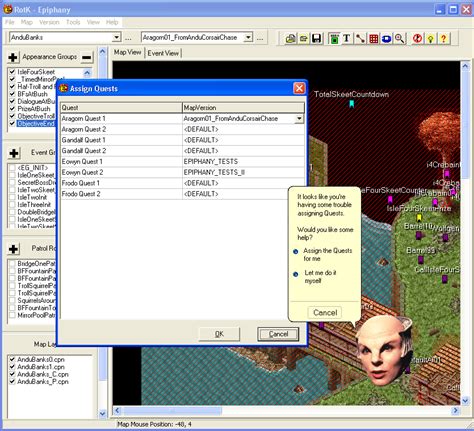
A picture is worth a thousand words, especially when dealing with abstract or spatial game mechanics. Diagrams illustrating flowcharts, maps highlighting key locations, or screenshots annotated to point out specific UI elements can dramatically improve comprehension. For external guides, a simple screenshot can quickly convey information that might take several paragraphs of text to explain. If possible, suggest examples of how these visuals might be integrated, even if the guide itself is purely textual.
Beyond visuals, the language used is crucial. Avoid developer jargon, acronyms, or game-specific slang without first clearly defining them. Where possible, use analogies to real-world concepts or simpler game mechanics. Comparing a crafting system to “cooking ingredients together” or a resource management system to “balancing a budget” can immediately make an unfamiliar concept more accessible and less intimidating. Speak directly to the player, using encouraging and empowering language.
Pacing Information and Providing Practice Opportunities
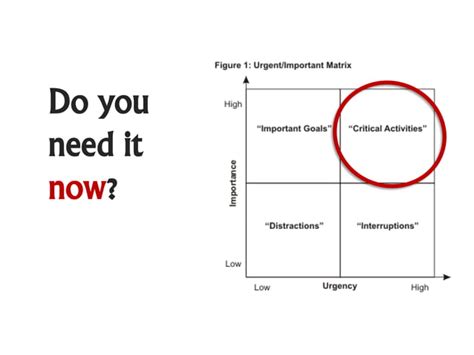
The pacing of information delivery is vital to avoid overwhelming new players. Resist the urge to explain everything all at once. Instead, divide your guide into distinct sections, each focusing on a specific mechanic or set of related mechanics. Clearly delineate where one concept ends and another begins, allowing players to absorb information at their own pace. Encourage breaks and provide opportunities for players to practice what they’ve learned before moving on.
A well-structured guide doesn’t just explain; it facilitates learning. This means offering “challenge” scenarios or suggesting low-stakes environments where players can experiment with new abilities without penalty. Providing a sense of mastery after each step is incredibly motivating and ensures that players feel capable of tackling the next level of complexity, rather than being drowned by it.

Conclusion: Empowering, Not Just Explaining
Ultimately, the best beginner guides don’t just explain complex game mechanics; they empower new players to understand, apply, and ultimately master them. By prioritizing essential information, introducing concepts gradually, leveraging visual aids, using relatable language, and pacing the learning experience, guides can transform potentially overwhelming systems into engaging challenges. The goal is to build confidence, foster curiosity, and lay a solid foundation that encourages players to dive deeper into the game’s rich world, rather than bounce off its initial complexity.