How can beginner guides best simplify complex game mechanics for new players?

Entering a new game can be an exhilarating yet daunting experience, especially when faced with intricate mechanics, deep skill trees, or unconventional control schemes. For many new players, the initial learning curve can be a significant barrier to enjoyment. This is where well-crafted beginner guides become indispensable, acting as a bridge between complexity and understanding. The key lies not in spoon-feeding every detail, but in a systematic approach to simplification that empowers new players.
Start with the Basics, Build Gradually
One of the most effective strategies is progressive disclosure. Instead of dumping all information at once, beginner guides should introduce core concepts first, allowing players to grasp fundamental interactions before layering on more advanced mechanics. Think of it as building blocks: ensure the foundation is solid before adding more elaborate structures.
This means prioritizing the absolutely essential mechanics required to play the game’s initial stages. What are the basic movement controls? How do you interact with the world? What’s the primary objective? Once these are clear, guides can then introduce secondary systems, like crafting, specific combat abilities, or resource management, relating them back to the established fundamentals.

Use Clear, Concise Language and Visual Aids
Jargon is the enemy of new players. Beginner guides must translate game-specific terminology into plain, easy-to-understand language. If a complex term must be used, it should be immediately explained. Analogies to real-world concepts or other games can also be incredibly helpful in bridging understanding gaps.
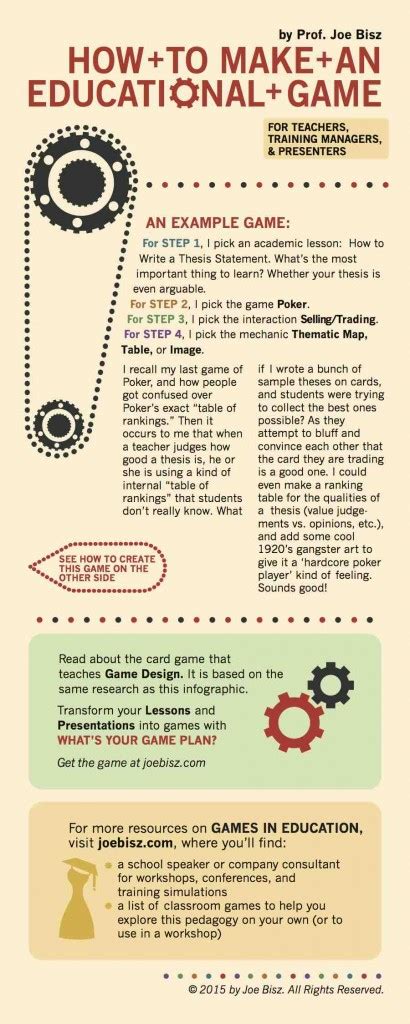
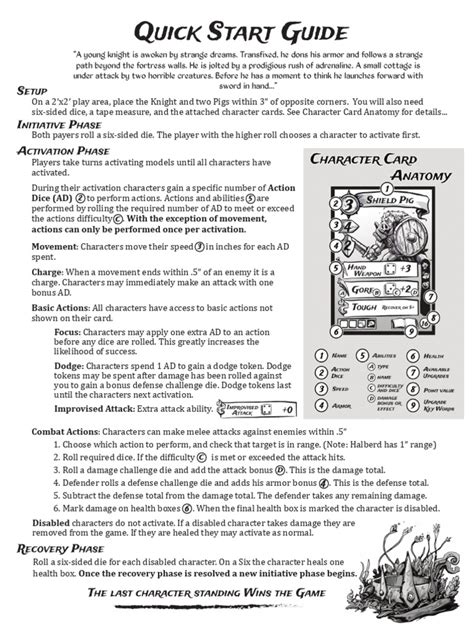
Beyond text, visual aids are paramount. Screenshots with highlighted areas, simple diagrams illustrating relationships (e.g., how stats affect damage), and short video clips demonstrating actions can convey information far more effectively than paragraphs of text alone. Showing a mechanic in action removes ambiguity and provides a clear mental model for the player.

Provide Practical Examples and Scenarios
Understanding a mechanic in theory is one thing; applying it in practice is another. Good beginner guides move beyond abstract explanations to provide concrete examples and demonstrate mechanics within relatable in-game scenarios. Instead of just saying, ‘this ability applies a debuff,’ show how applying that debuff to a specific enemy type makes a boss fight easier.
This contextualization helps players see the immediate relevance and utility of what they’re learning. Practical examples can also include common mistakes to avoid or optimal strategies for early-game challenges, helping new players build confidence and feel more prepared for actual gameplay.
Highlight “Why” and “When”
Players don’t just need to know how a mechanic works; they need to understand why it matters and when to use it. Explaining the purpose and impact of a mechanic provides motivation for learning it. Why is this resource important? Because it lets you upgrade your gear, which will be crucial for tougher encounters.
Similarly, detailing the appropriate situations for using a specific ability, item, or strategy helps players develop tactical thinking. Is this spell best for single targets or groups? When should I deploy my defensive ability? Guiding players through these decision-making processes early on fosters a deeper understanding of the game’s systems.

Encourage Experimentation and Practice
Ultimately, true understanding comes from doing. Beginner guides should encourage and even suggest ways for new players to experiment with mechanics in a low-stress environment. This could involve pointing out early-game areas suitable for practice, suggesting specific challenges, or even highlighting in-game training modes if they exist.
Empowering players to try things out for themselves, make mistakes, and learn from them reinforces the lessons provided in the guide. By fostering a sense of curiosity and agency, guides can transform the learning process from a chore into an engaging part of the initial game experience, setting players up for long-term enjoyment.

Crafting effective beginner guides is an art form. It requires empathy for the new player’s perspective, a clear understanding of the game’s core loop, and a commitment to clarity and gradual education. By applying these principles—starting simple, using visuals, providing examples, explaining purpose, and encouraging practice—guides can transform complex game mechanics from intimidating hurdles into exciting opportunities for discovery.