How can beginner guides best explain complex game mechanics without overwhelming new players?

Modern video games often boast incredible depth and intricate systems, from sprawling RPG skill trees to complex real-time strategy economies. While this depth contributes to their longevity and player engagement, it poses a significant challenge for beginner guides: how to introduce these complex mechanics without overwhelming new players who are just trying to learn the ropes?
The Art of Progressive Disclosure
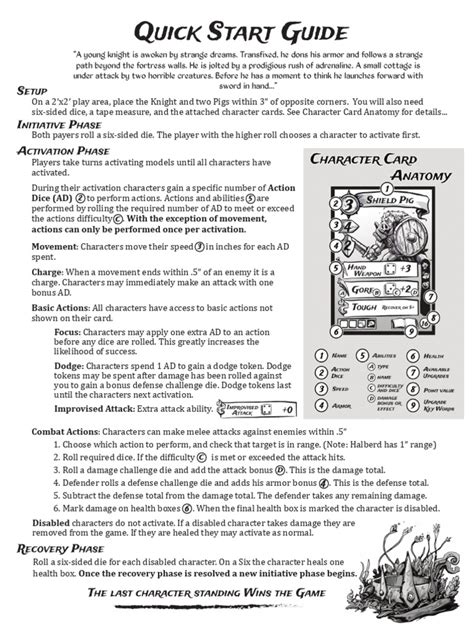
One of the most effective strategies is progressive disclosure, or layered learning. Instead of dumping all information at once, guides should introduce core concepts first, allowing players to grasp the fundamentals before adding layers of complexity. This means starting with the absolute essentials – movement, basic interaction, primary objectives – and gradually introducing secondary mechanics, advanced strategies, and nuanced systems as the player progresses. Think of it like building a house: you lay the foundation before adding the roof.
Leveraging Visuals and Analogies
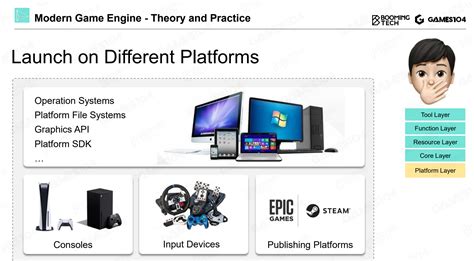
Text-heavy explanations can quickly lead to cognitive overload. Beginner guides can significantly improve comprehension by incorporating strong visual aids. Diagrams, infographics, short video clips, and annotated screenshots can illustrate complex interactions far more effectively than paragraphs of text. Furthermore, drawing analogies to real-world concepts or simpler games can bridge understanding gaps. For instance, explaining a game’s crafting system by comparing it to cooking or explaining resource management like budgeting personal finances makes it immediately more relatable.
Interactive and Hands-On Learning
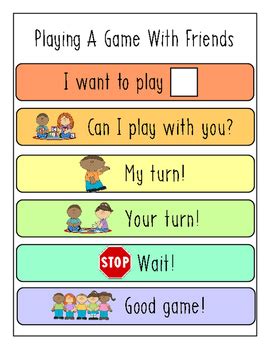
Passive learning has its limits. The best beginner guides integrate interactive elements that allow players to apply what they’ve learned immediately. This could be through in-game tutorial segments that guide players through specific actions, a sandbox mode where they can experiment without penalty, or quick challenges designed to test understanding of a new mechanic. Learning by doing, especially with immediate feedback, solidifies comprehension and builds confidence. The muscle memory and practical experience gained are invaluable.
Breaking Down Information into Digestible Chunks
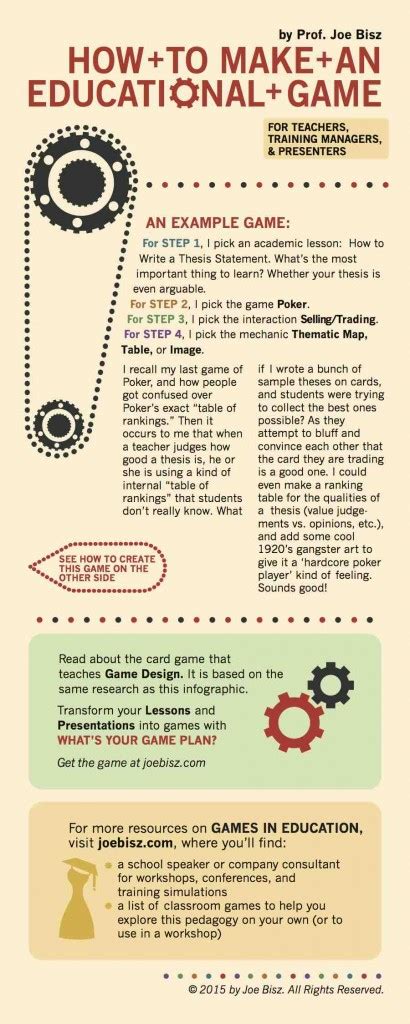
An overarching complex system should be broken down into smaller, manageable modules. Each module or lesson should have a clear, focused objective. For example, rather than explaining “the entire combat system,” a guide might first tackle “basic attacks and defense,” then “special abilities,” and later “status effects and elemental weaknesses.” This modular approach prevents information overload and allows players to master one concept before moving to the next. Clear headings, bullet points, and concise language are crucial here.

Emphasizing Context and Purpose: The “Why” and “When”
It’s not enough to explain what a mechanic does; a truly effective guide explains why it’s important and when to use it. Understanding the context and purpose behind a mechanic helps new players integrate it into their overall gameplay strategy. For example, instead of just stating “this ability deals X damage,” explain “this ability is excellent for crowd control when you are surrounded by multiple enemies, allowing you to create space.” This provides strategic value, making the mechanic feel less like an arbitrary rule and more like a useful tool.
Conclusion
Crafting beginner guides for complex game mechanics requires a thoughtful approach centered on the new player’s experience. By embracing progressive disclosure, utilizing powerful visual and interactive aids, breaking down information into digestible chunks, and emphasizing the ‘why’ and ‘when’ of each mechanic, guides can effectively educate without overwhelming. The goal is not just to transfer information, but to empower new players to confidently engage with the game’s full depth, fostering long-term enjoyment and mastery.