How can beginner gaming guides effectively teach complex mechanics without jargon overload?

Modern video games often feature incredibly deep and intricate mechanics that can be daunting for new players. From complex combat systems to elaborate crafting trees and nuanced strategic elements, the learning curve can be steep. The challenge for any beginner guide is to demystify these systems without overwhelming the player with technical jargon that assumes prior knowledge. This article explores effective strategies for crafting guides that are clear, concise, and genuinely helpful for newcomers.
The Core Challenge: Bridging the Knowledge Gap
For a seasoned player, terms like “DPS rotation,” “aggro management,” “burst damage,” or “skill cap” are second nature. For a beginner, these are often just confusing buzzwords that add to the intimidation factor. The core challenge lies in translating these expert concepts into plain language that resonates with someone who is encountering them for the first time. Overloading a guide with unexplained jargon can quickly disengage and frustrate a new player, making them feel inadequate rather than empowered.

Strategies for Jargon-Free Explanation
Effective beginner guides prioritize clarity. One powerful technique is the use of metaphors and analogies. Comparing a game mechanic to a real-world concept can instantly make it relatable. For example, explaining “aggro” as a monster’s “anger meter” or a “threat level” that grows when you hit it, similar to how someone might get angrier the more you annoy them, makes the abstract concrete.
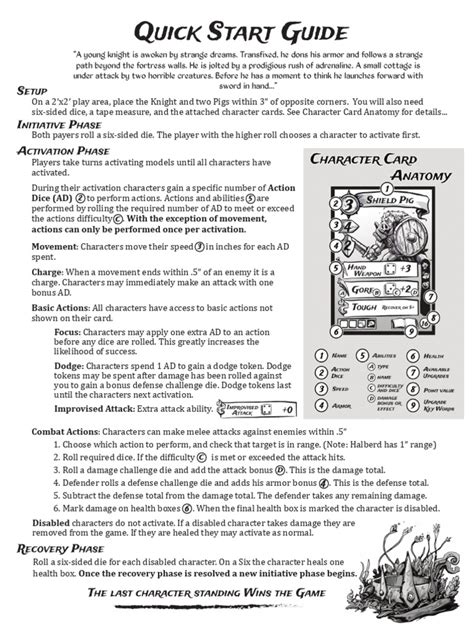
Another crucial strategy is step-by-step breakdown. Instead of explaining an entire complex system at once, break it down into its smallest, most manageable components. Teach one part, ensure comprehension, and then move to the next, building understanding incrementally. For instance, explaining a combat combo by first teaching the individual button presses, then how to link two, then three, rather than presenting the full combo from the outset.
The power of visual aids and practical examples cannot be overstated. While this article can’t show actual images, imagine a guide that would use screenshots, GIFs, or short video clips to demonstrate each step or concept. Seeing a mechanic in action, even through a simple diagram, often clarifies what text alone struggles to convey. Concrete examples of when and how to apply a mechanic in gameplay solidify understanding.
Prioritizing Information and Pacing
A good beginner guide practices layered learning. Not all information is equally important for a brand new player. Focus on the absolute essentials first – what they need to know to play the game immediately and not feel lost. Introduce more advanced concepts or niche details later, once they’ve grasped the fundamentals. This prevents information overload and allows players to build a foundation.
Contextual learning is also key. Explain mechanics as they become relevant within the game’s progression. Instead of a massive encyclopedia of all possible items and abilities upfront, introduce them when the player first encounters them or when their strategic importance becomes apparent. This makes the information feel timely and useful, rather than an abstract list of rules.

Empathy and Player Perspective
When writing a beginner guide, it’s vital to adopt the beginner’s mindset. What assumptions are you making? What common pitfalls do new players encounter? Anticipate their questions and confusion. Avoid assuming any prior knowledge of genre conventions or gaming tropes. For instance, if a game uses a unique terminology for common actions, always define it clearly.
Testing and feedback from actual beginners are invaluable. Have someone who has never played the game (or even the genre) read through your guide. Observe where they get stuck, what they misunderstand, and what questions they still have. This feedback loop is crucial for identifying areas where jargon might still be present or explanations are insufficient.

Conclusion
Crafting effective beginner gaming guides that teach complex mechanics without resorting to jargon overload is an art form. It requires empathy, clarity, and a methodical approach. By utilizing metaphors, breaking down information into digestible steps, incorporating visual examples, prioritizing essential knowledge, and consistently adopting the beginner’s perspective, guide creators can empower new players to confidently explore and enjoy even the most intricate gaming worlds. The goal isn’t just to inform, but to inspire and make the learning journey itself an enjoyable part of the gaming experience.