How can beginner game guides explain complex mechanics without overwhelming new players?

Gaming can be an incredibly rewarding hobby, but the initial barrier to entry for complex titles often deters new players. Modern games are replete with intricate systems, deep lore, and nuanced mechanics that can feel like a labyrinth to navigate without proper guidance. The challenge for beginner game guides is to illuminate these complexities without drowning fresh recruits in an ocean of information. This requires a thoughtful, strategic approach to information delivery.
1. The Power of Phased Introduction
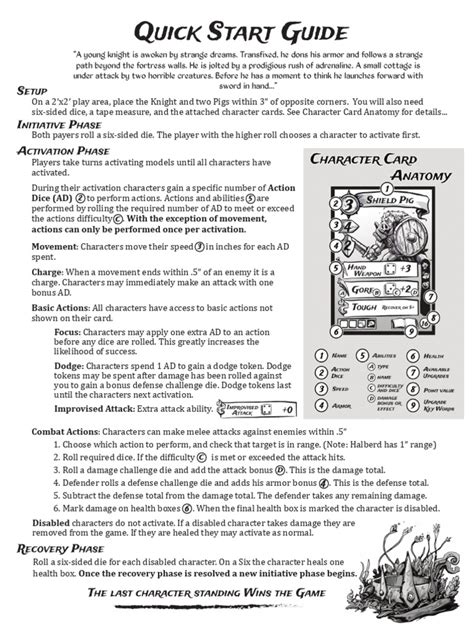
One of the most effective strategies is to introduce mechanics incrementally. Instead of presenting a 50-page compendium of every game system upfront, a good guide will layer information. Start with the absolute essentials required to play the first few hours of the game. Once those foundational concepts are grasped, introduce the next tier of mechanics that build upon the initial understanding. This phased approach prevents cognitive overload, allowing players to build a solid mental framework step by step.

2. Visual Learning and Practical Examples
Text-heavy explanations can quickly become monotonous and difficult to parse, especially for visual learners. Integrating diagrams, flowcharts, screenshots, and short video clips (even if just referenced) can dramatically enhance comprehension. Showing a mechanic in action, rather than just describing it, provides invaluable context. For instance, explaining a combat rotation with an annotated screenshot or demonstrating a crafting recipe step-by-step makes the process far more accessible. Practical examples also ground abstract concepts in tangible gameplay scenarios, making them relatable.

3. Contextualizing Complexity: Why and When
New players often struggle not just with how a mechanic works, but why it matters and when to use it. A guide that explains the strategic importance or situational utility of a complex system can transform it from a daunting puzzle into a meaningful tool. Instead of just listing stats for different weapon types, explain which weapon excels in certain scenarios, against specific enemy types, or within particular build archetypes. Providing this ‘why’ gives purpose to the ‘what’ and ‘how’, helping players make informed decisions.

4. Jargon-Free, Concise Language
Every game has its own lexicon, but overwhelming beginners with game-specific jargon without proper explanation is a common pitfall. Effective guides translate complex concepts into plain, accessible language first, then introduce the game’s official terminology once the underlying idea is clear. Break down long sentences and paragraphs into digestible chunks. Use bullet points, bold text, and clear headings to improve readability. The goal is clarity and conciseness, not showing off an encyclopedic knowledge of the game’s minutiae.

5. Empowering Experimentation and Practice
Ultimately, true understanding comes from doing. A good beginner guide doesn’t just explain; it encourages players to experiment and practice. It might suggest specific low-risk scenarios where a player can try out a new mechanic, or highlight in-game features designed for practice (like training dummies or early-game quests). Guides can also signpost where to find more advanced information, offering a clear path for players who are ready to delve deeper. By fostering a sense of curiosity and providing a safe space for trial and error, guides empower new players to eventually master the game’s complexities on their own terms.

Conclusion
Crafting an effective beginner game guide is an art form. It’s about empathy for the new player experience, breaking down overwhelming systems into manageable parts, and building confidence rather than creating confusion. By employing phased introductions, visual aids, contextual explanations, clear language, and encouragement for practice, guides can transform the daunting into the doable, welcoming countless new adventurers into the rich worlds of complex video games.