How can beginner game guides effectively onboard new players without info overload?

For many players, the initial hours of a new game can be the most daunting. A well-designed beginner guide is an essential tool, but its effectiveness hinges on a delicate balance: providing enough information to empower without overwhelming. The goal isn’t to dump an encyclopedia on new players, but to create a clear, accessible path that transforms confusion into confident exploration.
The Peril of Information Overload
The temptation to explain every nuance of a game upfront is strong, especially for passionate creators. However, bombarding new players with an avalanche of lore, complex mechanics, and advanced strategies can be counterproductive. This ‘info overload’ often leads to frustration, reduces retention, and can even deter players from progressing. Beginners need to learn by doing, not just by reading. A guide that acts as a roadblock rather than a ramp will ultimately fail.

Strategies for Seamless Player Onboarding
1. Progressive Disclosure: The “Just-in-Time” Approach
This is perhaps the most critical strategy. Introduce concepts and mechanics only when they become relevant to the player’s immediate experience. For example, don’t explain advanced crafting systems until the player has gathered basic resources and shown an interest in building. Break down complex systems into smaller, more digestible chunks that are presented exactly when the player needs to understand them to proceed.
2. Visuals and Interactivity are Key
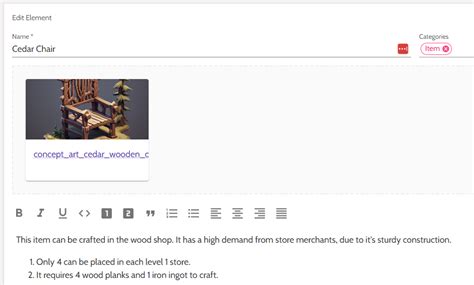
Text-heavy guides are tedious and rarely effective for visual learners. Utilize screenshots, clear UI highlights, short animated gifs or conceptual video clips (within the guide’s context), and interactive elements. Show players exactly where to click, what an item looks like, or how an action manifests. Let them experiment with controlled mechanics. Seeing is often more impactful than reading.
3. Contextual Learning and Gamification
Integrate the guide directly into gameplay. Instead of a separate manual, weave tutorials into early quests, narrative prompts, or mini-challenges. These ‘learn-by-doing’ scenarios make the onboarding feel like an organic part of the game, not a chore. Reward players for completing tutorial objectives, further incentivizing engagement and learning.
4. Prioritize Core Mechanics First
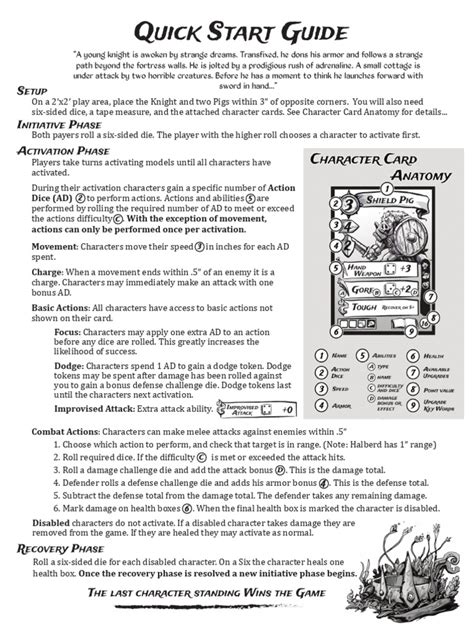
What does a player absolutely need to know to survive the first 10-30 minutes of gameplay? Focus on these foundational elements: basic movement, attacking, interacting with the environment, and core objectives. Defer advanced combat tactics, intricate skill trees, or deep lore exploration until the player has a solid grasp of the fundamentals. Separate ‘need-to-know’ from ‘nice-to-know’.

5. Iterate and Test with Beginners
The best way to refine a beginner guide is to test it on actual new players who have never experienced the game before. Observe where they get stuck, what questions they ask, what information they skip, and what they find overwhelming. Use this invaluable feedback to simplify language, clarify instructions, reorder content, or add missing visual cues. A guide is never truly finished until it has been validated by its intended audience.

Conclusion
An effective beginner game guide is not a data dump; it’s a carefully crafted learning journey. By embracing progressive disclosure, leveraging visuals and interactivity, integrating learning contextually, prioritizing core mechanics, and continuously testing with fresh eyes, game developers and guide creators can transform potential frustration into lasting engagement. The ultimate goal is to empower new players to confidently explore the game world, fostering a deeper, more enjoyable experience from the very first moments.