How can beginner game guides clarify complex systems for new players efficiently?

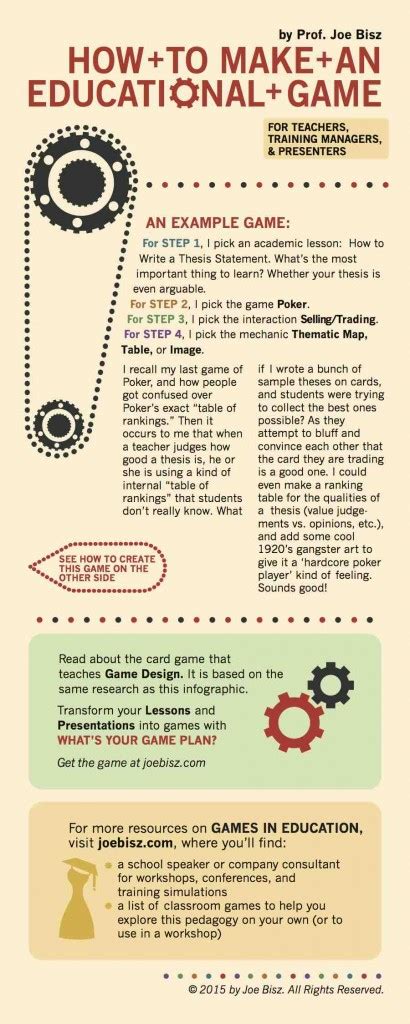
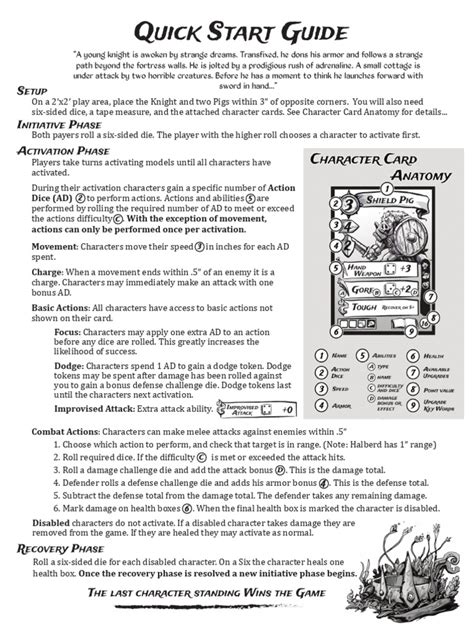
Introducing new players to a game, especially one with intricate mechanics and deep systems, can be a daunting task. A poorly designed onboarding experience can alienate newcomers, leading to early uninstalls. The key to retaining these players lies in creating beginner guides that efficiently clarify complex systems without overwhelming them. This isn’t just about explaining; it’s about guiding them through discovery in a digestible and engaging manner.
Understanding the Challenge of Complexity
Many modern games, from grand strategy epics to intricate RPGs and survival simulations, boast layers of intertwined systems. These might include crafting trees, combat mechanics, resource management, character progression, diplomacy, and more. For a veteran player, these layers contribute to depth and replayability. For a beginner, they often appear as an impenetrable wall of information, leading to confusion, frustration, and a quick exit from the game.
The goal of an efficient guide is not to dump all information at once but to provide a clear, step-by-step path that builds understanding incrementally. It’s about empowering players to feel competent and in control, rather than lost and overwhelmed.
Core Strategies for Efficient Clarification
1. Chunking Information into Digestible Modules
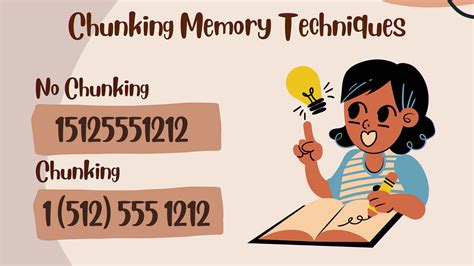
One of the most effective methods is to break down complex systems into smaller, manageable chunks. Instead of explaining an entire economy system, focus on one aspect at a time: first resource gathering, then crafting, then trading. Each module should be self-contained and build upon previously learned concepts.
This approach prevents cognitive overload and allows players to master one concept before moving to the next. Guides can use clear headings, bullet points, and short paragraphs to delineate these chunks, making the information easy to scan and absorb.
2. Leveraging Visual Aids and Examples
Humans are highly visual learners. A well-placed screenshot, diagram, or short video clip can explain more than paragraphs of text. Beginner guides should extensively use visual aids to illustrate concepts, interface elements, and cause-and-effect relationships.
- Screenshots: Highlight specific UI elements that are relevant to the explanation.
- Diagrams/Flowcharts: Visually represent workflows, decision trees, or system interactions.
- Animated GIFs/Short Videos: Demonstrate processes that involve multiple steps or real-time actions, like combat sequences or crafting animations.
Providing concrete examples also grounds abstract concepts. Instead of saying “resource management is important,” show an example of how gathering wood leads to building a shelter.

3. Interactive Tutorials and Guided Practice
Passive reading of a guide is less effective than active learning. Integrating interactive elements or guiding players through hands-on practice within the game itself significantly boosts understanding and retention. This can take several forms:
- In-game Tutorials: Step-by-step instructions that appear directly in the game, often with highlighted elements and mandatory actions.
- Sandbox Modes: A controlled environment where players can experiment with mechanics without the pressure of failure.
- Quests/Challenges: Introduce core mechanics as simple quests that guide players through their first experiences with a system.
Immediate feedback during these interactive sessions helps reinforce correct actions and correct misunderstandings.

4. Progressive Disclosure and On-Demand Information
Not all information needs to be presented upfront. Progressive disclosure means revealing details only when they become relevant to the player’s current progression or needs. This reduces initial information overload.
Additionally, guides should offer on-demand information access. This could be in the form of a searchable in-game wiki, tooltips that appear on hover, or contextual help menus. Players can then pull up specific details exactly when they need them, rather than trying to recall a forgotten detail from an hour-long initial tutorial.

5. Using Analogies and Real-World Comparisons
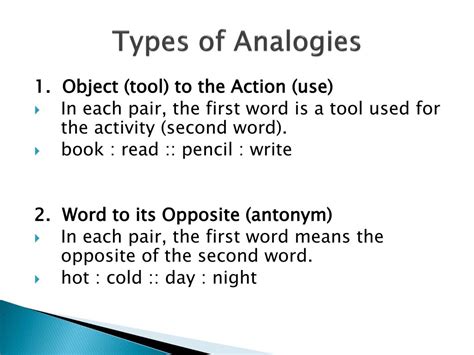
Relating complex game mechanics to real-world concepts or familiar scenarios can make them much easier to grasp. For instance, explaining a game’s economy by comparing it to a real-world stock market, or a crafting system to cooking a recipe, creates an immediate mental framework for the player.
These analogies should be simple and universally understood, acting as a bridge between the player’s existing knowledge and the new game concepts.
Best Practices for Guide Creation
Beyond the core strategies, several best practices ensure a guide is truly efficient:
- Clear, Concise Language: Avoid jargon where possible. If jargon is necessary, define it clearly.
- Player-Centric Approach: Anticipate common player questions and pain points. Address these directly.
- Iterative Design: Gather feedback from new players and refine the guide. What’s clear to a developer might be confusing to a newcomer.
- Accessibility: Consider players with different learning styles and abilities. Offer text, visual, and interactive options.
- Path to Mastery, Not Just Understanding: While clarity is crucial, the ultimate goal is to enable players to not just understand but eventually master the systems. Guides should provide foundations for deeper learning.
Conclusion
Clarifying complex game systems for new players efficiently is an art that blends pedagogy, design, and user experience. By chunking information, employing strong visuals, offering interactive practice, progressively disclosing details, and using relatable analogies, beginner guides can transform potential frustration into engaging discovery. The aim is to build a solid foundation of understanding that encourages players to dive deeper into the game’s world, rather than bounce off its initial complexity.