How can beginner game guides best simplify complex systems for new players?

Modern video games often present players with vast worlds, intricate lore, and deep mechanical systems. While this complexity can be incredibly rewarding for seasoned players, it can be an overwhelming barrier for newcomers. Beginner game guides play a crucial role in bridging this gap, transforming daunting systems into understandable concepts. But what strategies do the best guides employ to truly simplify the complex for new players?
Progressive Disclosure and Staged Learning
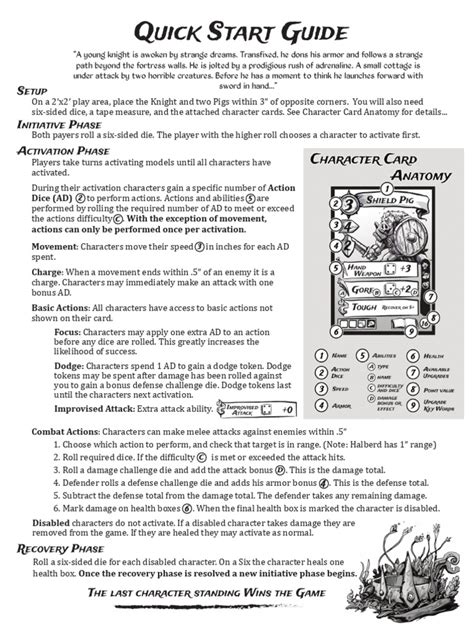
One of the most effective methods is progressive disclosure, which involves revealing information and mechanics gradually. Instead of front-loading new players with every detail, a good guide introduces core concepts first, building a foundational understanding, and then layers on more advanced mechanics as the player progresses. This staged approach prevents information overload, allowing new players to internalize one concept before moving to the next.
For example, a guide for a strategy game might first explain resource gathering and basic unit production, then move on to advanced combat tactics or intricate economic chains. This mirrors how a good in-game tutorial would function, ensuring a smoother learning curve.
Visual Aids and Infographics
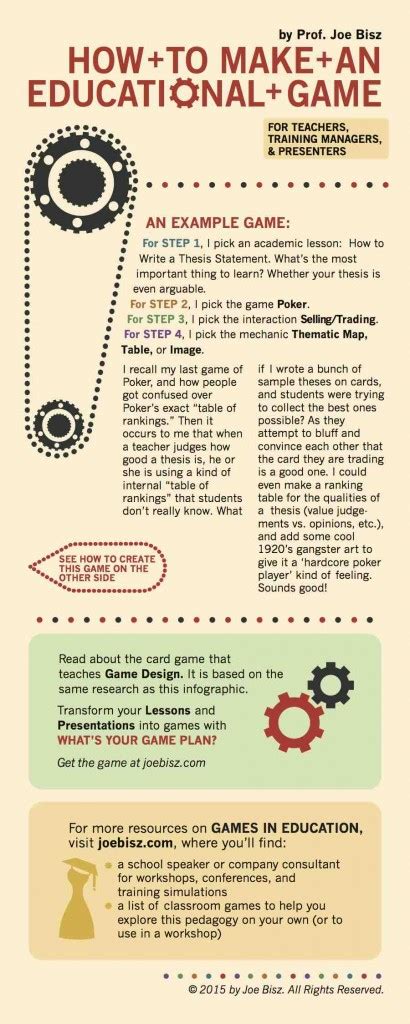
Text alone can struggle to convey the nuances of a complex system. This is where visual aids become invaluable. Screenshots, diagrams, flowcharts, and short video clips can illustrate concepts far more effectively than paragraphs of text. A diagram showing a skill tree, an infographic explaining damage types, or a GIF demonstrating a specific combat maneuver can clarify ambiguity instantly.
The best guides use visuals not just as supplementary material, but as integral components of their explanations, making abstract ideas concrete and easy to grasp. They often highlight key elements within screenshots, drawing attention to exactly what the player needs to see.

Jargon-Free Language and Relatable Analogies
Every game has its own lexicon, but beginner guides should strive to minimize jargon or, at the very least, explain it clearly upon first use. Using simple, direct language is paramount. Furthermore, drawing analogies to real-world concepts or mechanics from more common games can significantly aid understanding. For instance, explaining a game’s crafting system by comparing it to cooking or explaining a character’s role by comparing them to a specific sports position can make complex ideas immediately relatable.
The goal is to speak the player’s language, not the game’s, until they’ve had a chance to learn the game’s specific terminology through context.

Prioritizing Core Mechanics and Practical Examples
New players don’t need to know every obscure detail of a game from the outset. Guides should prioritize the core mechanics necessary for initial success and enjoyment. What are the essential skills, stats, or strategies a player absolutely needs to understand to get started? Focus on these first, then introduce advanced or niche topics later.
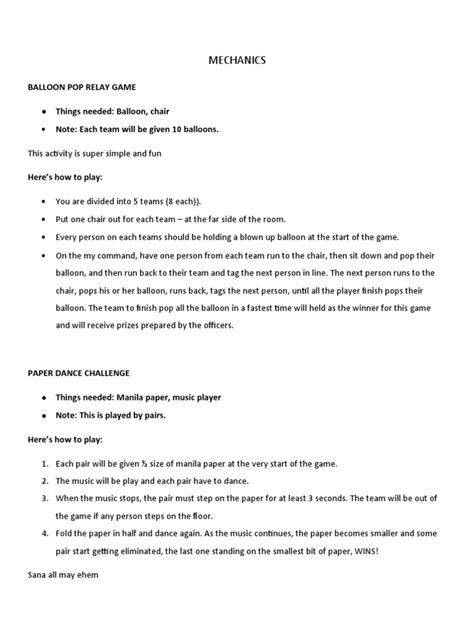
Beyond theoretical explanations, practical, scenario-based examples are incredibly powerful. Instead of just defining a stat, show how it impacts gameplay in a common situation. Provide step-by-step instructions for a common early-game task or problem, allowing players to follow along and immediately apply their new knowledge.
Interactive Elements and Practice Scenarios
While often more challenging to implement, interactive elements can transform a passive reading experience into an active learning one. Quizzes, clickable diagrams, or even ‘try it yourself’ sections that encourage players to pause the guide and experiment in-game can solidify understanding. For guides hosted on platforms with interactive capabilities, simulated scenarios or mini-games can provide a safe space for players to practice without fear of failure.
Even in static guides, encouraging players to pause and test concepts, or providing prompts for in-game experimentation, can significantly enhance learning and retention.
Conclusion
Simplifying complex game systems for new players requires empathy, clarity, and strategic presentation. By employing progressive disclosure, leveraging visual aids, using clear language and relatable analogies, prioritizing core mechanics with practical examples, and ideally incorporating interactive elements, beginner game guides can transform intimidating complexity into an engaging and accessible journey. The ultimate goal is not just to inform, but to empower new players, enabling them to confidently dive into and enjoy the rich worlds that modern games offer.