How can beginner game guides best simplify complex mechanics for new players in big or small games?

Demystifying Game Mechanics for New Players
Entering a new game, whether a sprawling open-world RPG or a compact indie puzzle, can be an exhilarating yet daunting experience. Modern games often feature intricate systems, deep lore, and layers of mechanics that can overwhelm new players. A well-crafted beginner guide isn’t just a walkthrough; it’s a vital bridge, transforming potential frustration into genuine enjoyment. The core challenge lies in simplifying complexity without sacrificing depth, making advanced concepts accessible and engaging.
The Core Principles of Effective Simplification
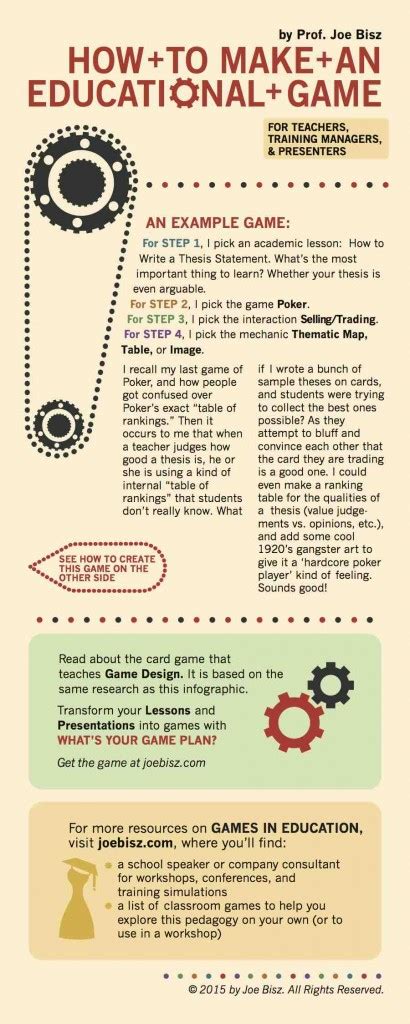
Simplifying complex game mechanics starts with a fundamental understanding of how people learn. Guides must break down information into digestible chunks, prioritize clarity, and build knowledge progressively. This means resisting the urge to dump all information at once.
1. Gradual Introduction and Progressive Disclosure
Instead of front-loading every detail, introduce mechanics as they become relevant. Explain the absolute essentials needed to progress through the initial stages, then gradually layer in more advanced concepts. Think of it as a funnel, starting broad and narrowing to specific, deeper dives as the player’s understanding grows.

2. Clear, Concise Language and Analogies
Avoid jargon where possible, or if necessary, define it immediately. Use simple, direct language. Analogies can be incredibly powerful; relating a game mechanic to a real-world concept or a mechanic from a more familiar game can create instant understanding. For instance, explaining a ‘crafting tree’ as a ‘recipe book’ makes it immediately more intuitive.
3. Visual Aids and Contextual Learning
A picture is worth a thousand words, especially in gaming. Screenshots, annotated diagrams, or short GIF-like videos (described in the guide) showing a mechanic in action are invaluable. Crucially, explain mechanics within their gameplay context. Instead of just saying “Press ‘X’ to jump,” explain why jumping is important in a particular situation, or how it interacts with other mechanics like wall-running.

Practical Techniques for Guide Creation
Step-by-Step Breakdowns
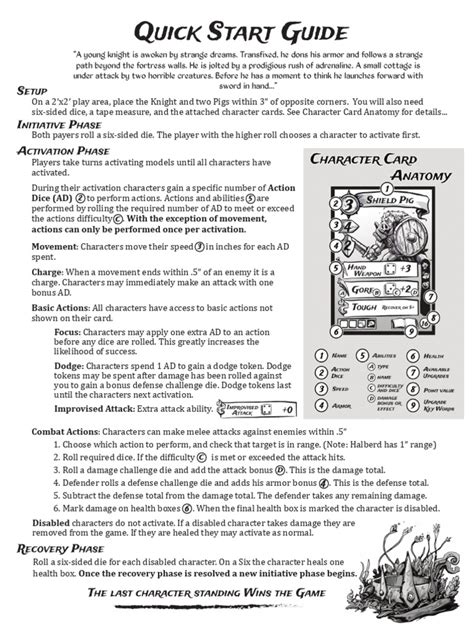
For multi-stage processes, provide clear, numbered steps. Each step should be brief and focus on a single action or decision. For example, when explaining how to craft an item: “1. Open your inventory. 2. Navigate to the crafting tab. 3. Select the recipe for X. 4. Ensure you have the required materials. 5. Click ‘Craft’.”
Highlighting ‘Why’ and ‘When’
Beyond ‘how to do X,’ explain ‘why you would want to do X’ and ‘when is the best time to do X.’ Understanding the strategic importance and situational applicability of a mechanic helps players integrate it into their gameplay much faster than simply knowing the button press.
Common Pitfalls and Troubleshooting
Anticipate common mistakes new players make and address them directly. “If your spell isn’t casting, check your mana pool!” or “Stuck on this puzzle? Make sure you’ve interacted with all the environmental clues.” This proactive guidance reduces frustration and makes the guide feel more helpful.

Tailoring Guides for Game Scope
For Smaller Games
Smaller games often have fewer, but sometimes equally intricate, mechanics. Guides for these games can be more direct and concise, focusing on the core loop and any unique quirks. A small game guide might benefit from showing the complete picture of how all mechanics interrelate, as there are fewer pieces to manage. The emphasis should be on efficient learning to let players quickly engage with the game’s unique hook.
For Larger, More Complex Games
Big games, with their vast skill trees, intricate crafting systems, and layered combat, require a more modular approach. Guides should be structured with clear headings and a strong table of contents, allowing players to jump to specific mechanics they need help with. It’s crucial to differentiate between ‘need-to-know’ for basic progression and ‘nice-to-know’ for mastery, guiding players through essential information first before delving into optimization strategies.
The Goal: Empowering the Player
Ultimately, the goal of any beginner guide is to empower new players, building their confidence and competence. By employing clear, visual, contextual, and progressively structured explanations, guides can transform the daunting task of learning complex mechanics into an enjoyable part of the gaming experience. Whether for a small indie gem or a massive AAA title, a well-crafted guide is an invaluable resource that fosters a positive first impression and encourages long-term engagement.