How can beginner game guides best simplify complex core mechanics for new players?
The Challenge of Complex Game Mechanics
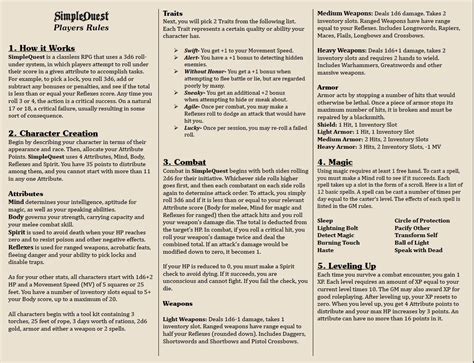
Modern video games often boast incredible depth, featuring intricate combat systems, sprawling skill trees, or convoluted economic models. While this complexity can be a source of long-term engagement for veteran players, it frequently presents a formidable barrier to entry for newcomers. Beginner guides play a vital role in bridging this gap, transforming bewildering systems into understandable, approachable concepts that empower new players rather than overwhelming them.
The goal isn’t to dumb down the game, but to illuminate its underlying logic in a way that builds confidence and encourages exploration. This involves a delicate balance of clarity, conciseness, and effective presentation.
Break Down Complexity with Progressive Disclosure
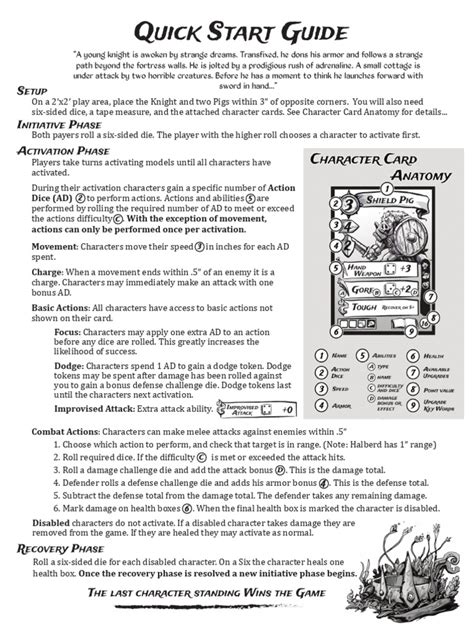
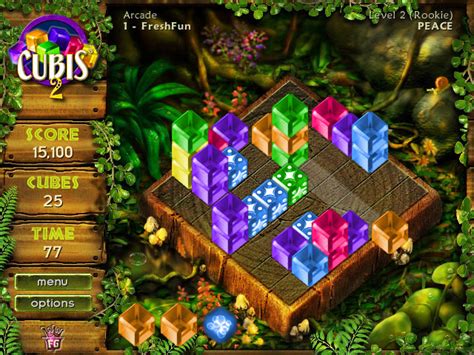
One of the most effective strategies is to avoid information overload by employing progressive disclosure. Instead of dumping every detail about a mechanic upfront, introduce core concepts incrementally. Start with the absolute basics required for initial interaction, then gradually reveal more advanced nuances as the player progresses and demonstrates readiness. For instance, in an RPG, first explain how to equip an item, then later delve into item enchantments, stat scaling, or set bonuses.
- Layered Learning: Present the ‘what’ and ‘how’ first, then later the ‘why’ and ‘when’.
- Contextual Introduction: Introduce mechanics only when they become relevant to the player’s immediate situation or next challenge.
- Interactive Tutorials: Allow players to practice each step as it’s explained, solidifying understanding through direct experience.
Leverage Visual Aids and Analogies
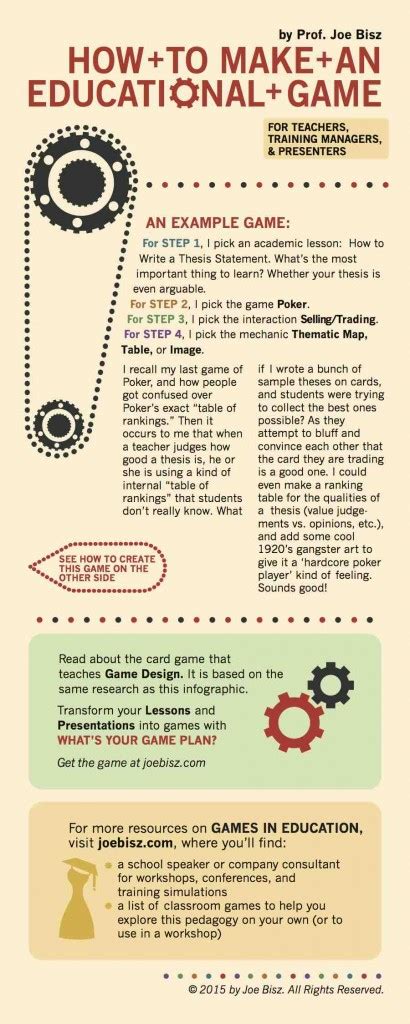
Humans are highly visual learners, and complex systems often benefit immensely from graphical representations. Flowcharts, diagrams, annotated screenshots, and short video clips can communicate more effectively than pages of text. For instance, a diagram explaining a crafting tree is far clearer than a textual list of recipes.
Furthermore, analogies to real-world concepts or simpler games can make abstract mechanics instantly relatable. Comparing a game’s resource management to balancing a household budget, or a combat system to a game of rock-paper-scissors with extra steps, can provide a mental framework for understanding.
Use Clear, Concise Language and Avoid Jargon
When writing for beginners, simplicity in language is paramount. Eschew developer jargon or obscure in-game terms unless they are explicitly defined first. Use short sentences, active voice, and bullet points to make information digestible. Imagine explaining the mechanic to someone who has never played a video game before.
Moreover, consider the tone. A friendly, encouraging tone can reduce frustration and make the learning process more enjoyable. Avoid condescending language or assuming prior knowledge.

Offer Practical Examples and Scenarios
Theoretical explanations, while necessary, are less effective without practical application. Provide specific examples of how a mechanic is used in different scenarios. If explaining a combat ability, describe a situation where it would be most effective and walk the player through its use. If detailing a crafting system, show a step-by-step example of creating a specific item.
Case studies or ‘mini-quests’ within the guide can give players a low-stakes environment to test their understanding before facing real in-game challenges.
Encourage Experimentation and Provide Feedback
Ultimately, true understanding comes from doing. A good beginner guide doesn’t just tell; it shows and then encourages the player to try. Design the guide to include opportunities for experimentation, perhaps by suggesting different approaches or highlighting the consequences of various choices. When possible, include mechanisms for immediate, constructive feedback within the guide itself, helping players correct misunderstandings on the spot.
Empowering new players to confidently engage with a game’s core mechanics is a cornerstone of player retention. By prioritizing clarity, visual aids, progressive learning, and practical application, beginner guides can transform potential frustration into lasting enjoyment.