How can beginner game guides best explain complex game mechanics simply?

For many newcomers, the biggest hurdle to enjoying a new game isn’t skill, but understanding. Modern games often feature intricate systems – from deep combat mechanics and complex crafting trees to nuanced economic models and strategic decision-making. A well-crafted beginner guide is crucial for transforming potential frustration into engagement. But how can such guides take overwhelming complexity and distill it into something easily digestible for a complete novice?
Know Your Audience: Assume Zero Knowledge
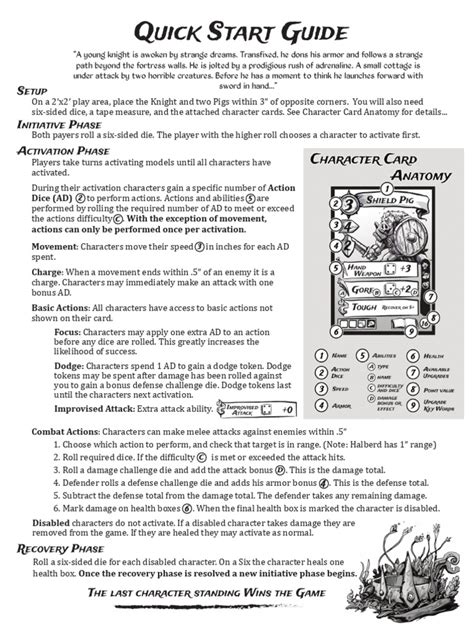
The first and most critical step is to empathize with a true beginner. They don’t know the game’s jargon, its common strategies, or even its basic control scheme. Guides must start from the absolute ground floor, defining every term, explaining every icon, and outlining every interaction as if the player has never touched a video game before. Avoiding assumptions about prior gaming experience or genre familiarity is paramount.
Start with “Why” Before “How”
Before diving into the intricate steps of performing a mechanic, explain its purpose and value. Why is this system important? How does it benefit the player? Understanding the ‘why’ provides context and motivation, making the ‘how’ much more relevant and easier to grasp. For instance, instead of immediately listing crafting recipes, explain that crafting allows players to create powerful gear to overcome tough enemies.

Break Down Complexity into Manageable Chunks
Complex mechanics are rarely a single entity; they are usually a collection of smaller, interconnected systems. Effective guides dissect these large systems into their constituent parts. Introduce one core concept, explain it thoroughly, and then show how it connects to the next. This incremental approach prevents information overload and builds understanding step-by-step.
Use Simple Analogies and Real-World Examples
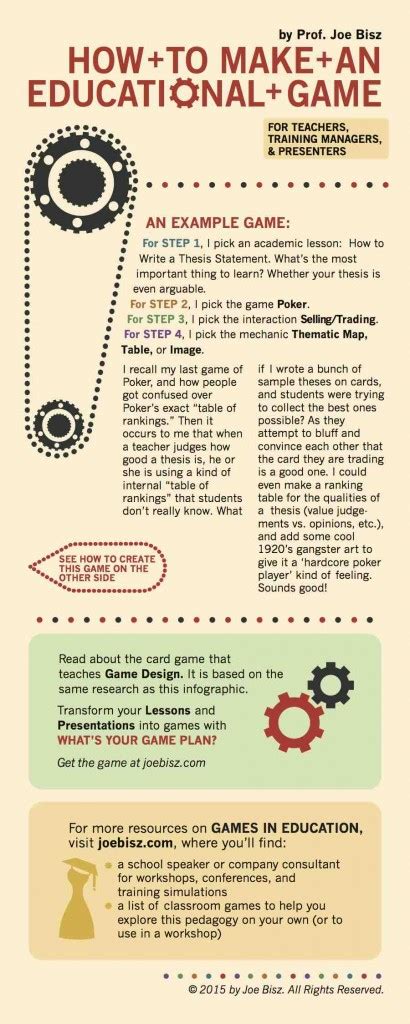
Relating in-game mechanics to real-world concepts or familiar scenarios can be incredibly powerful. A resource management system might be compared to budgeting household expenses, or a combat combo system to learning a dance routine. Analogies bridge the gap between abstract game logic and concrete player intuition, making foreign concepts feel more natural and intuitive.

Visuals Are Your Best Friend
Text alone often isn’t enough. Screenshots with highlighted areas, simple flowcharts, diagrams illustrating cause-and-effect, or even short animated GIFs can convey information far more efficiently than paragraphs of text. Visuals help players locate elements in the UI, understand spatial relationships, and see processes unfold in a clear, concise manner. Show, don’t just tell.

Progressive Disclosure and Hands-On Practice
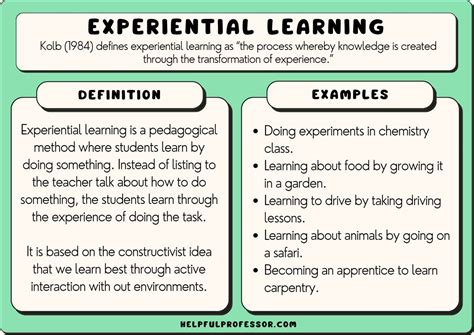
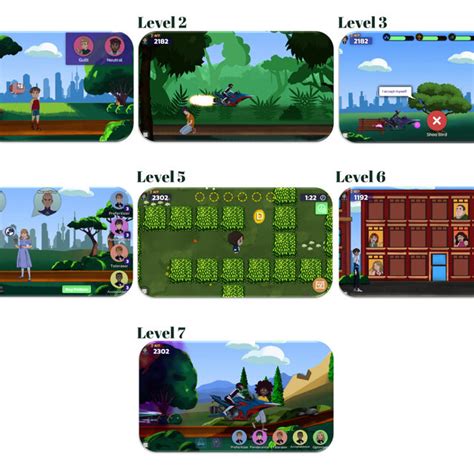
Introduce mechanics when they become relevant, rather than front-loading everything. A guide can walk players through a tutorial mission, explaining each new concept just as the game asks them to apply it. Encouraging hands-on practice immediately after an explanation solidifies learning. A good guide doesn’t just explain; it prompts the player to try it themselves.
Master the Art of Repetition and Reinforcement
Learning is rarely a one-shot deal. While initial explanations should be clear, subtle repetition and reinforcement throughout the guide, perhaps in different contexts or with slightly varied examples, can help cement understanding without feeling redundant. Briefly referencing a previously explained concept when it connects to a new one is a great way to reinforce.
Conclusion
Crafting a beginner’s guide that simplifies complex game mechanics is an art form. It requires patience, empathy, and a deep understanding of pedagogical principles. By meticulously breaking down information, providing context, leveraging visual aids, and encouraging active learning, guides can transform intimidating systems into enjoyable challenges, ensuring new players stick around to experience the full depth a game has to offer.