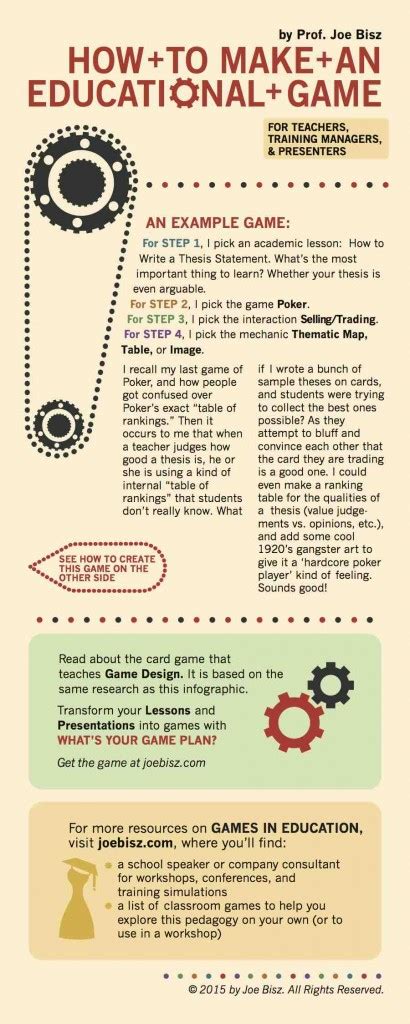
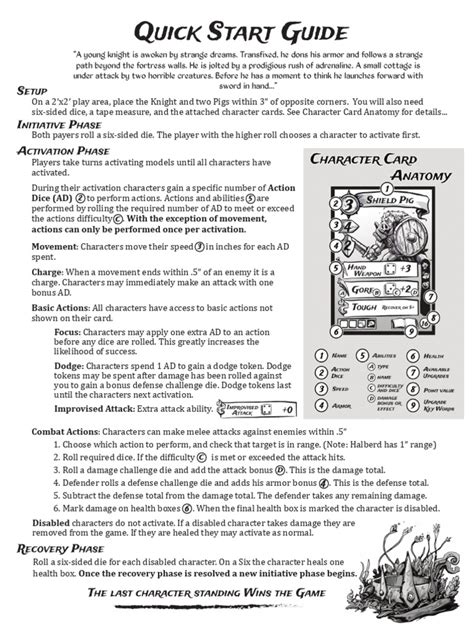
How can a game’s beginner guide effectively teach core mechanics without jargon overload?
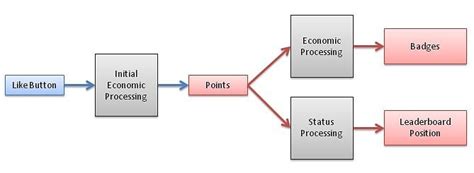
A game’s initial moments are crucial. They set the tone, introduce the world, and, most importantly, teach players how to play. However, many guides fall into the trap of overwhelming newcomers with technical jargon, obscure terms, and complex explanations that alienate more than they educate. The goal is to onboard players seamlessly, making the learning process intuitive and enjoyable.
Embrace Visual Learning and Contextual Cues
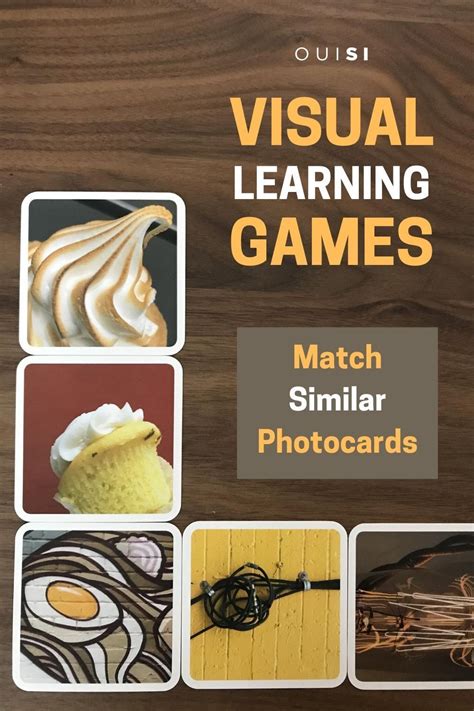
One of the most powerful tools in a beginner guide is visual communication. Instead of lengthy text descriptions, demonstrate actions directly. Use animated prompts, highlighted UI elements, and clear iconography to show what needs to be done. Players learn by doing, and when actions are tied to immediate visual feedback within the game world, comprehension skyrockets.
Contextual cues, like an arrow pointing to an enemy to explain combat, or a glow around an interactable object, guide players naturally. Avoid breaking the flow with too many pop-up windows; integrate learning directly into gameplay whenever possible.
Progressive Disclosure: Less Is More, Initially
Don’t dump every single mechanic on a player in the first five minutes. Introduce concepts gradually, as they become relevant. Start with the absolute basics – movement, basic interaction, a primary attack – and then layer on more complex systems like crafting, advanced combat maneuvers, or character customization once the player has mastered the fundamentals. This approach prevents cognitive overload and builds confidence.
Prioritize Core Gameplay Loops First
Focus on the essential cycle of play – e.g., explore, fight, loot, upgrade. Other systems can be introduced in small, manageable chunks as the player progresses through the early stages of the game. Give players a chance to experiment and feel accomplished with what they’ve learned before throwing something new at them.
Relatable Language and Metaphors, Not Developer Speak
The language used in a beginner guide should be simple, direct, and free of internal development terms. Instead of ‘aggro radius’ say ‘how close you need to get to make enemies attack.’ Instead of ‘hitbox’ say ‘where enemies can be damaged.’ If a concept is complex, use real-world metaphors or analogies to simplify it. Think of the player as someone completely new to games, or at least new to your game’s specific genre.
Interactive Tutorials and Guided Play
The best way to teach is often through a hands-on experience. Design specific tutorial levels or sequences where players are prompted to perform actions. These aren’t just passive explanations; they’re opportunities for practice. Provide immediate, constructive feedback for both correct and incorrect actions. If a player fails, explain why and encourage them to try again, perhaps with a slight hint.
This active learning approach reinforces mechanics much more effectively than reading static text. It allows players to build muscle memory and truly understand the consequences of their actions within the game’s systems.
Optional Deep Dives and Help Menus
While the primary beginner guide should be lean and focused, it’s good practice to offer supplementary information for players who want to delve deeper. This could take the form of an in-game encyclopedia, a detailed help menu, or advanced tips that are accessible but not mandatory for initial progression. This caters to different learning styles without overwhelming those who prefer a more streamlined experience.
Test and Iterate with Fresh Eyes
The most crucial step in crafting an effective beginner guide is testing. Have players who have never seen your game before go through the tutorial. Observe where they get stuck, what they misunderstand, and what questions they ask. Their fresh perspective is invaluable for identifying areas where jargon creeps in or explanations are unclear. Be prepared to iterate and refine the guide based on this feedback until it is as intuitive and jargon-free as possible.
Conclusion
An effective beginner guide doesn’t just teach mechanics; it invites players into your game world with open arms, making them feel capable and excited to explore. By prioritizing visual communication, progressive disclosure, clear language, interactive learning, and rigorous testing, developers can create guides that are genuinely helpful, ensuring that new players grasp core mechanics without getting lost in a sea of jargon.