How can a game’s beginner guide effectively introduce core mechanics without jargon?
Mastering the Art of Jargon-Free Game Onboarding
Entering a new game can be an exhilarating experience, but it can quickly become overwhelming if the initial tutorial or beginner guide is dense with unfamiliar terminology and complex explanations. The key to successful player retention and enjoyment lies in effectively introducing core mechanics without resorting to industry jargon or alienating newcomers. This article explores strategies for crafting beginner guides that are intuitive, engaging, and universally understandable.
Why Jargon-Free Guides Are Essential
For developers, terms like “DPS,” “aggro management,” “proc chance,” or “clipping” are second nature. For a new player, they are cryptic obstacles that create a steep learning curve and can even lead to abandonment. A jargon-free guide enhances accessibility, reduces cognitive load, and fosters a sense of accomplishment rather than frustration. It ensures players focus on how to play, not what the obscure words mean.
Speak the Player’s Language, Not the Developer’s
The first step is to empathize with the new player. Imagine they have never touched a video game before. How would you explain fundamental concepts like movement, attacking, or interacting with the environment? Use simple, direct language. Instead of “optimize your rotation for maximum DPS,” try “chain your attacks together to deal more damage.”
Strategies for Effective Jargon-Free Introduction
1. Show, Don’t Just Tell: Visual Learning
Visuals are incredibly powerful in game tutorials. Instead of describing “dodge rolling,” show an animated character performing the action, perhaps with a clear visual indicator of invulnerability frames. Use on-screen prompts, highlighted areas, and short, clear videos or GIFs. When a player sees the mechanic in action, its purpose and execution become immediately clear, transcending language barriers and avoiding textual complexity.
2. Contextual Learning: Learn by Doing
The most effective tutorials integrate learning directly into gameplay. Rather than a separate menu with text descriptions, introduce mechanics as the player encounters situations requiring them. For example, the first time an enemy attacks, prompt the player to use their “block” or “dodge” ability. This active engagement makes the learning process feel organic and less like a chore.
3. Analogies and Metaphors: Relate to the Known
When a concept is slightly abstract, use real-world analogies. If your game features a “stamina bar,” explain it as “your character’s energy level – like your own, it depletes when you sprint or exert yourself and recovers when you rest.” This bridges the gap between the game world and the player’s existing knowledge, making new concepts instantly relatable.

4. Gradual Introduction: One Concept at a Time
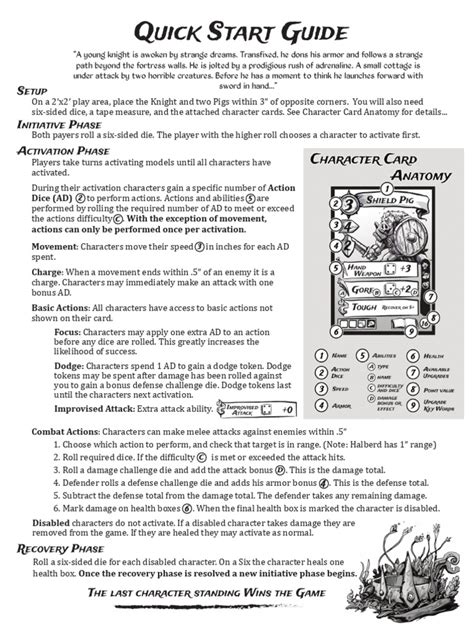
Avoid info-dumping. Introduce mechanics incrementally, building complexity slowly. Start with basic movement, then introduce basic attack, then a special ability, and so on. Allow players time to practice and internalize each concept before layering on another. A common mistake is to explain all controls on one screen, overwhelming the player before they even start.

5. Interactive Feedback and Reinforcement
Provide immediate, clear feedback when a player performs an action correctly or incorrectly. If they successfully block an attack, a simple “Perfect Block!” pop-up or a distinct sound effect reinforces the desired behavior. Similarly, if they fail, offer gentle guidance without being punitive. This iterative learning loop solidifies understanding.
Testing and Iteration: The Player Perspective
The ultimate test of a jargon-free guide is to put it in front of actual new players who are unfamiliar with your game and genre. Observe their struggles, listen to their questions, and note where they get confused. This feedback is invaluable for refining your guide. Often, what seems clear to a developer is opaque to a novice. Be prepared to simplify, rephrase, and redesign based on real-world player experience.

Conclusion
Crafting an effective, jargon-free beginner guide is an art that significantly impacts a game’s initial reception and long-term success. By prioritizing clear communication, leveraging visual and contextual learning, and relentlessly simplifying concepts, developers can create an onboarding experience that welcomes all players. An intuitive introduction not only teaches the game but also builds confidence, fostering a positive first impression that encourages players to dive deeper and truly enjoy the world you’ve created.