How can a game how-to guide effectively teach tricky boss mechanics or puzzles?
Creating a truly helpful game how-to guide for complex boss mechanics or intricate puzzles is an art form. It’s not just about giving answers; it’s about teaching players how to think, react, and understand the underlying logic of the game. When done right, such guides can transform frustration into triumph and deepen a player’s appreciation for the game’s design.
Breaking Down Complexity for Players
The first step in crafting an effective guide is to understand what makes a particular boss or puzzle ‘tricky.’ Is it timing, obscure clues, multi-stage processes, or a combination of factors? Different players have varying skill levels and learning styles, so a guide needs to cater to a broad audience, from those seeking a quick solution to others who want a deep dive into strategies.
Identifying the specific pain points—the moments where players typically get stuck or confused—is crucial. This often involves observing common player mistakes or recalling your own initial struggles. A good guide anticipates these hurdles and addresses them proactively, rather than simply listing steps.

Fundamental Principles of Effective Guides
Clarity, Conciseness, and Structure
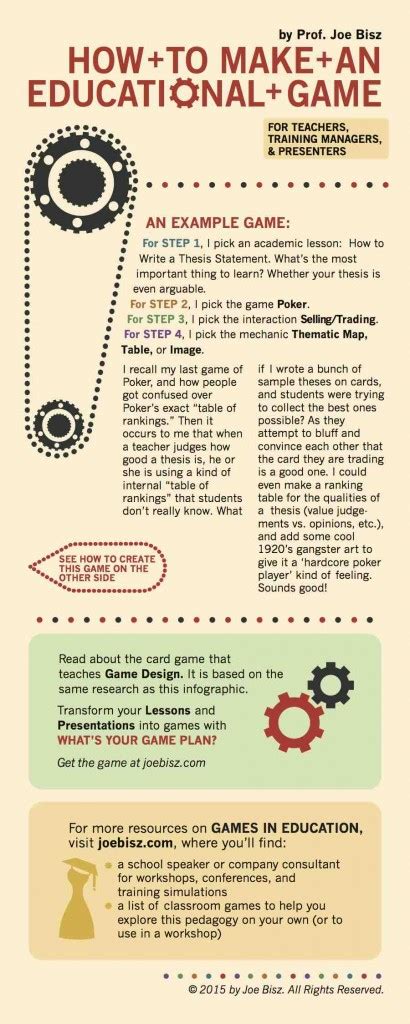
Above all, a guide must be clear and concise. Avoid unnecessary jargon and get straight to the point. Use simple, direct language. Break down complex information into digestible chunks using headings, subheadings, bullet points, and numbered lists. This structure not only improves readability but also allows players to quickly find the specific information they need without sifting through dense paragraphs.
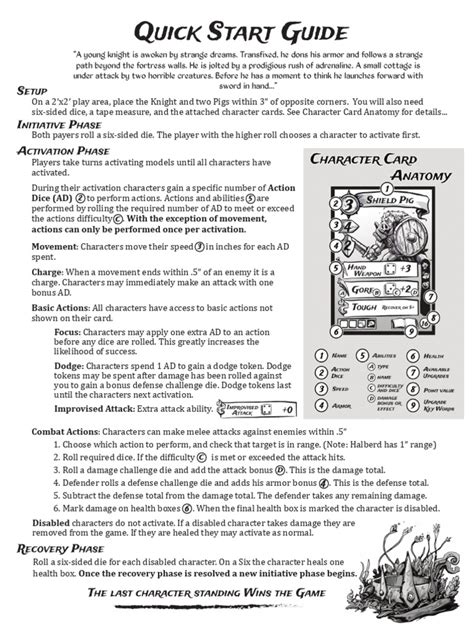
A step-by-step approach is invaluable, especially for sequences that require precise timing or actions. Each step should build logically on the last, guiding the player through the challenge progressively. Don’t assume prior knowledge; explain every necessary action, even if it seems obvious to an experienced player.
The Power of Visual Communication
While a written guide, by nature, is textual, effective guides simulate visual aids through descriptive language and the strategic use of formatting. For instance, describing a boss’s attack telegraph or a puzzle’s spatial relationships requires vivid, precise wording. A strong guide can outline movement paths, highlight interactive elements, or diagram sequences in the reader’s mind.
Teaching Tricky Boss Mechanics
For boss battles, guides should meticulously detail attack patterns and tells. Explain what each attack looks like, sounds like, and what visual cues precede it. Clarify the best ways to evade or block these attacks, including optimal timing and movement directions. Knowing when to dodge is often as important as knowing how.
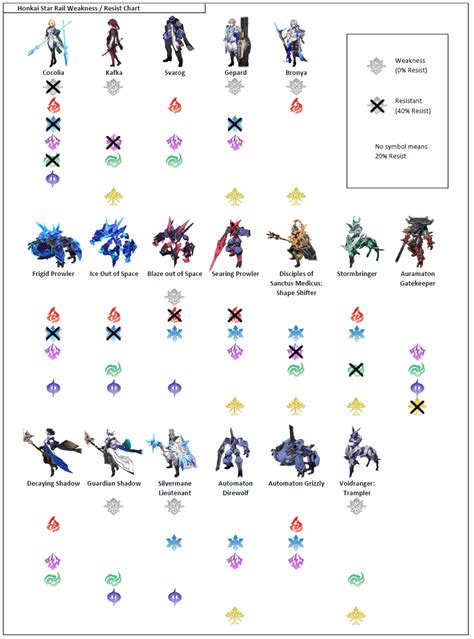
Highlight the boss’s weak points and vulnerabilities. Is there a specific phase where it takes more damage? Does a particular elemental attack stun it? Detail any counter-attack windows or opportunities for parries and perfect blocks. If a boss has multiple phases, dedicate a section to each phase, explaining the new mechanics introduced and how to transition effectively.
Furthermore, consider adding recommendations for player loadouts—suggested weapons, armor, abilities, or even character builds that are particularly effective against the boss. This empowers players to prepare adequately, rather than just reacting in the moment.
Guiding Through Intricate Puzzles
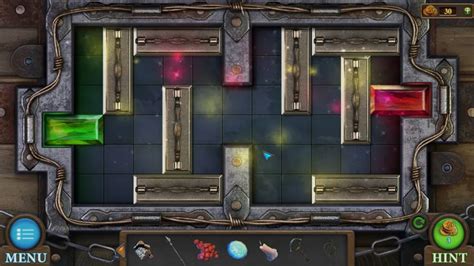
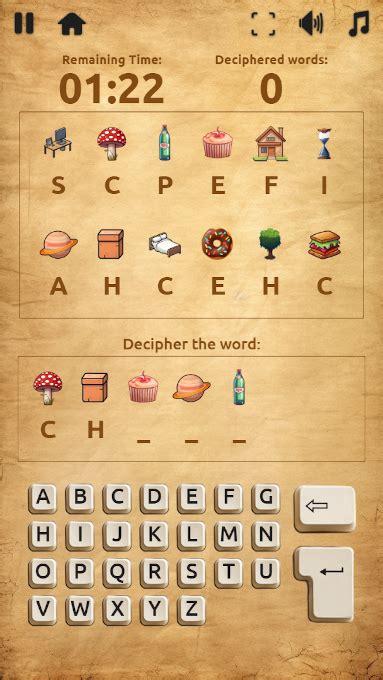
Puzzles require a different approach. Instead of simply providing the solution, a good guide should first help the player understand the puzzle’s objective and its core components. Break down the problem into smaller, manageable parts. What are the interactive elements? What clues are presented in the environment or through dialogue?
For more complex puzzles, consider a ‘hint’ system within the guide. Start with subtle nudges, then progress to more direct solutions. This allows players to choose how much help they want, preserving their sense of accomplishment. Clearly outline the logical progression of the puzzle, explaining the ‘why’ behind each step, not just the ‘what.’
Address common pitfalls or incorrect assumptions players might make. If a specific item is required or an environmental detail is easily missed, call attention to it. Explain how to reset a puzzle if a mistake is made, or if there’s a time limit involved.
Refining Presentation and Accessibility
Beyond the content itself, the presentation matters. Use bold text for key terms, actions, or warnings. Employ indentation and consistent formatting to improve visual hierarchy. A table of contents can be immensely helpful for longer guides, allowing players to jump directly to the relevant section.
While not directly embeddable in a text guide, mentioning the utility of companion video guides or interactive maps can enhance the overall value. Encourage players to reference these if they’re still struggling, acknowledging the limitations of text alone for certain types of information, especially spatial or timing-based challenges.
Conclusion
An effective game how-to guide for tricky boss mechanics or puzzles goes beyond mere instructions. It acts as a patient teacher, breaking down formidable challenges into understandable, actionable steps. By focusing on clarity, structure, and empathetic anticipation of player struggles, guides can not only help players overcome obstacles but also deepen their understanding and enjoyment of the game world. Ultimately, a great guide empowers players to conquer the seemingly unconquerable, transforming frustration into satisfaction.