How can a game guide quickly teach core mechanics to overwhelmed new players effectively?

Introducing new players to a complex game can be a daunting task. The sheer volume of information – controls, systems, objectives, lore – can quickly lead to an overwhelmed and frustrated experience, potentially driving new users away before they’ve even scratched the surface. The goal of a well-crafted game guide isn’t just to list mechanics, but to teach them effectively, allowing players to feel competent and engaged rapidly.
Understanding the New Player’s Plight
New players often face a steep learning curve. They might be unfamiliar with genre conventions, struggling with basic controls, or simply trying to understand the ‘flow’ of the game. A good guide acknowledges this state, providing a clear path from novice to confident player by breaking down complexity into digestible, actionable steps. It’s about building foundational knowledge without burying them in minutiae they don’t yet need.

Core Principles for Effective Mechanics Instruction
1. Progressive Disclosure: The “Learn-as-You-Go” Approach
Instead of front-loading all information, introduce mechanics only when they become relevant. Start with the absolute basics (movement, camera, primary interaction) and gradually layer in more complex systems as the player progresses. This prevents cognitive overload and ensures that players learn in context, understanding the ‘why’ behind each new mechanic as they encounter it.
2. Visual Aids and Interactive Tutorials are Key
Text-heavy guides can be tedious. Integrate screenshots, diagrams, and short video clips to visually demonstrate actions and concepts. Better still, build interactive tutorial sequences directly into the game or guide. Allowing players to *perform* the action rather than just read about it dramatically improves retention and understanding. Highlight UI elements, show input prompts, and provide immediate feedback.
3. Contextual Learning: Show, Don’t Just Tell
Explain mechanics within the game’s world and scenarios. For instance, don’t just say ‘Press F to interact’; show a player character approaching a door, the ‘F’ prompt appearing, and the door opening. Relate new mechanics to immediate goals, making their purpose clear. This makes learning feel less like a chore and more like an integral part of the game experience.
4. Repetition and Reinforcement (Without Being Annoying)
Gently reinforce key mechanics. After an initial tutorial, provide opportunities for players to naturally use those mechanics again in slightly different contexts. Avoid endless pop-ups, but subtle reminders or optional practice areas can solidify understanding without feeling patronizing. Think of it as spaced repetition for game skills.
5. Focus on “Why,” Not Just “How”
Understanding the purpose behind a mechanic makes it much easier to remember and apply. Why is this ability useful? What tactical advantage does this system provide? Explain the strategic implications or narrative relevance. Knowing the ‘why’ empowers players to make informed decisions rather than just mindlessly following instructions.
Structuring Your Game Guide for Success
Initial Onboarding Sequence
This should be a mandatory, highly curated experience that covers only the bare essentials needed to start playing. Keep it short, focused, and integrated into the first few minutes of gameplay.
Deep Dive Reference Sections
Once players have the basics, provide an accessible, searchable reference guide (in-game or external) for more advanced mechanics, item descriptions, lore, and strategic tips. This allows curious players to explore at their own pace without cluttering the initial learning experience.
Practical Examples and Scenarios
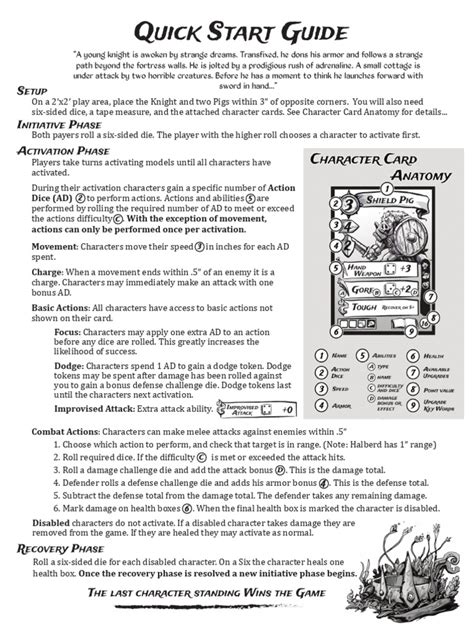
Illustrate mechanics with common in-game situations. Instead of just describing how to dodge, provide an example scenario where dodging is crucial, explaining the timing and benefits. This helps players translate abstract knowledge into practical skills.
Conclusion: Empowering New Players
A truly effective game guide transforms a potentially overwhelming experience into an inviting adventure. By adopting principles like progressive disclosure, leveraging visual and interactive tools, embedding learning within context, and explaining the ‘why’ alongside the ‘how,’ developers and guide creators can empower new players to quickly grasp core mechanics. This not only boosts player retention but also fosters a deeper appreciation for the game’s design, turning confusion into confidence and fleeting interest into lasting engagement.