How can a beginner’s game guide quickly teach core mechanics without overwhelming new players?
For many game developers, introducing new players to the intricate world of their creation is a delicate balancing act. The goal is to onboard them quickly, teach essential gameplay, and foster engagement, all without overwhelming them with a deluge of information. A well-designed beginner’s guide is crucial for retaining players and ensuring they enjoy the experience from the very first minute.
Interactive Learning Over Static Text
One of the most effective ways to teach core mechanics is through active participation. Instead of long-winded text explanations, integrate interactive tutorials that allow players to perform actions as they learn. Guide them through simple tasks, providing immediate feedback on their actions. This hands-on approach solidifies understanding much faster than passive reading.
For instance, if your game involves a unique combat system, have the player immediately engage in a low-stakes skirmish against a dummy or a very weak enemy. Provide on-screen prompts for each button press or action, explaining why they’re doing it, not just how.
Identify Essential Mechanics First
Before designing any guide, meticulously identify the absolute core mechanics necessary for a player to progress. What must they understand to move, interact, fight, or solve basic puzzles? Resist the urge to explain every nuanced system upfront. Advanced mechanics, lore details, and complex strategies can be introduced much later, once the player has a firm grasp of the fundamentals.
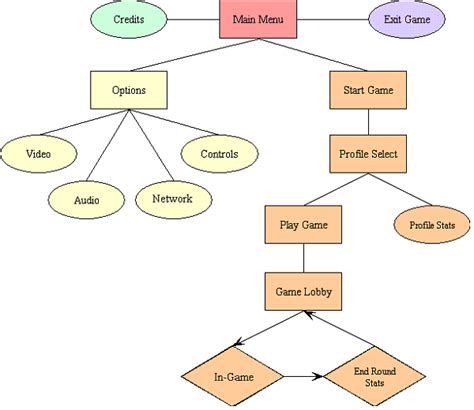
Break down complex systems into their simplest components. For example, if resource management is a core mechanic, start by teaching how to gather one specific type of resource and use it for one specific purpose. Avoid introducing multiple resource types or crafting recipes until the initial concept is mastered.
Layering Information and Challenges
Avoid front-loading all information. Instead, introduce mechanics progressively, building upon previously learned concepts. Think of it as a series of mini-challenges, each designed to teach one or two new elements. Each successful completion should feel rewarding and prepare the player for the next step.

A common pitfall is to introduce too many UI elements or control options at once. Start with a simplified interface, gradually revealing more options as they become relevant. For example, in an RPG, don’t show the full skill tree or inventory system until the player has completed their first few quests and understands basic movement and combat.
Leverage Visual Cues and Simple Language
Visual aids are incredibly powerful for teaching. Use clear, intuitive icons, highlight relevant UI elements, and employ animations to demonstrate actions. Text explanations should be brief, to the point, and use simple, jargon-free language. If a concept can be conveyed visually, do so.

On-screen prompts, arrows, and glowing objects can guide players’ attention effectively. Avoid large blocks of text; instead, break information into digestible chunks, perhaps through speech bubbles from an in-game mentor character or small pop-up tips that appear contextually.
Provide Safe Practice Environments
New players need a safe space to experiment and make mistakes without significant penalties. Design a tutorial area or early game section where failure is not punishing. Offer opportunities for repeated practice until the player feels confident with a mechanic.
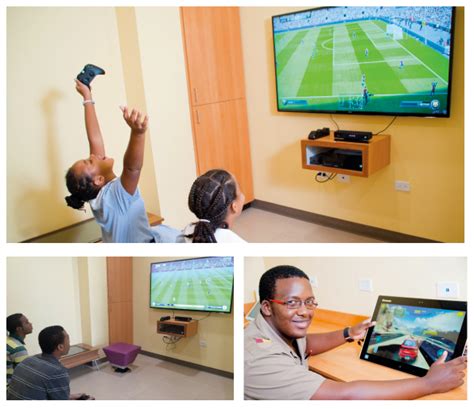
Feedback should be constructive and immediate. If a player performs an action incorrectly, provide a clear, gentle hint on how to correct it, rather than just saying ‘Wrong.’ Positive reinforcement for correct actions also builds confidence and encourages further exploration.
Conclusion
Crafting an effective beginner’s game guide requires empathy for the new player experience. By prioritizing interactive learning, isolating core mechanics, layering information, leveraging strong visuals, and providing safe practice, developers can create a welcoming and engaging introduction. The goal isn’t just to teach, but to empower players to discover the joys of your game at their own pace, ensuring a positive first impression that lasts.