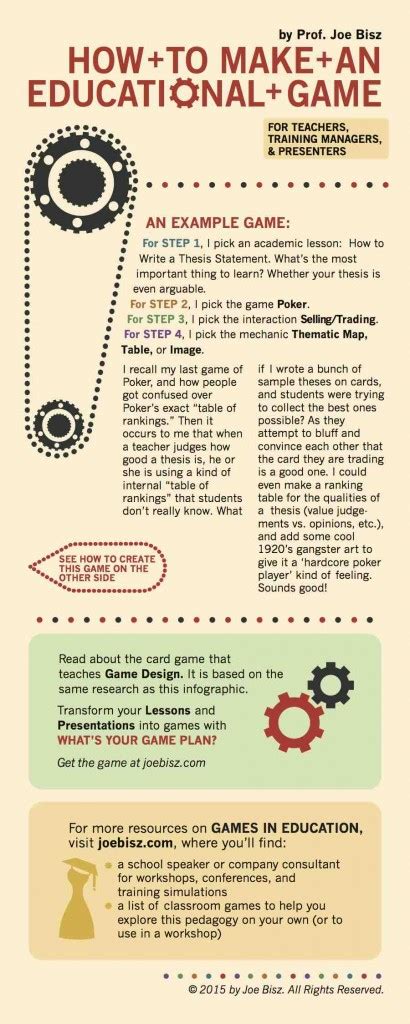
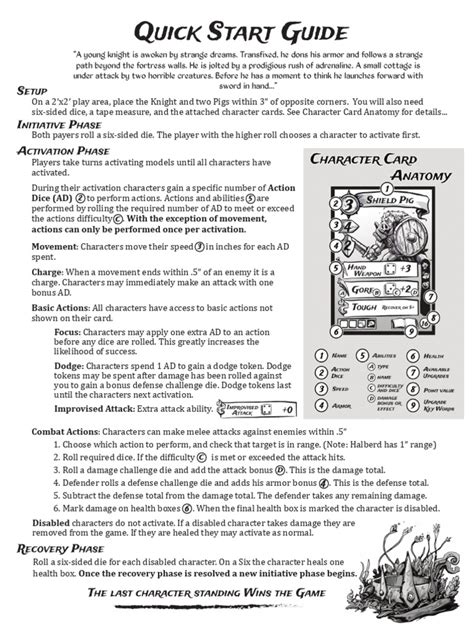
How can a beginner game guide quickly teach core mechanics without overwhelm?

The Challenge of Onboarding New Players
New players often face a steep learning curve when diving into a complex video game. The initial hours can make or break their engagement, and an overwhelming influx of information can quickly lead to frustration and abandonment. A well-designed beginner guide is crucial for success, yet the art lies in teaching core mechanics efficiently without drowning the player in details.
This article explores effective strategies for crafting game guides that quickly bring new players up to speed, ensuring they grasp essential concepts without feeling swamped by too much information at once.
Prioritize and Segment Core Mechanics
The most critical step is to identify the absolute core mechanics necessary for basic gameplay. Not every system needs to be explained upfront. Focus on movement, basic interaction, primary combat (if applicable), and essential UI navigation. Break these down into small, digestible chunks. Instead of a single, monolithic tutorial, consider a series of mini-tutorials, each focusing on one or two related concepts.
Introduce mechanics progressively. For example, teach movement first, then interaction with objects, then perhaps a simple attack. Each new mechanic should build logically on the last, allowing players to solidify their understanding before moving on.
Utilize Visuals and Interactive Prompts
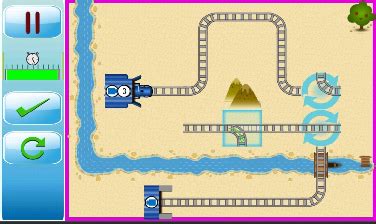
Text-heavy guides can be daunting. Incorporate screenshots, GIFs, short video clips, or animated diagrams that clearly demonstrate actions and their outcomes. Visuals cut down on reading time and provide immediate clarity. Interactive prompts within the game itself, such as “Press [Key] to Jump,” are far more effective than just reading about the jump command in a manual.
Consider hands-on practice directly integrated into the guide. After explaining a mechanic, immediately give the player a low-stakes scenario where they must apply it. This active learning reinforces the information much better than passive consumption.
Contextual Learning and “Learn by Doing”
Explain mechanics within the context of why they matter. Instead of just saying “This button does X,” explain “Press X to activate your shield, which will protect you from incoming attacks.” This gives the mechanic immediate relevance. Furthermore, design the initial game environment to be a safe, controlled space where players can experiment without fear of failure.
Mini-quests or guided objectives are excellent ways to subtly teach. For instance, a quest to “collect 5 berries” naturally teaches inventory management and interaction, without explicitly stating “Here’s how inventory works.”
Keep Language Clear, Concise, and Jargon-Free
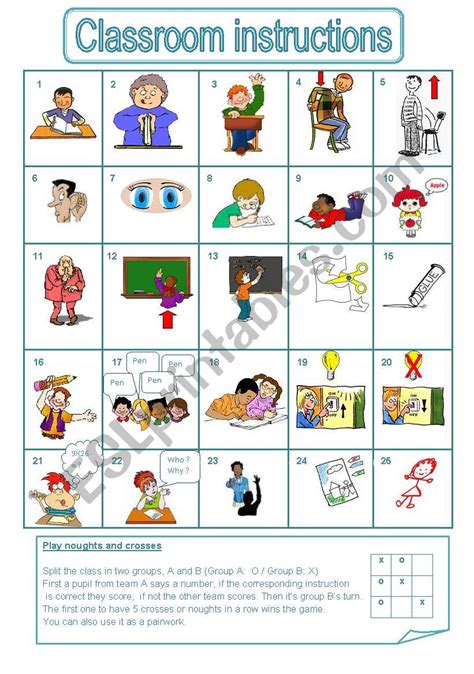
Avoid game-specific jargon unless it’s absolutely necessary and clearly defined. Use simple, direct language. Short sentences and bullet points are preferable to long paragraphs. If a term must be used, introduce it with a brief explanation. Remember, your audience is completely new to this world.
Regularly test your beginner guide with actual new players. Observe where they get stuck, where they skip text, or where they express confusion. This feedback is invaluable for refining the guide and ensuring its effectiveness.

Pacing and Reinforcement
The pace at which information is delivered is critical. Allow players enough time to practice and internalize one mechanic before introducing the next. Avoid rapid-fire explanations. Provide opportunities for reinforcement; perhaps a recap or a slightly more complex challenge that requires combining previously learned skills.
Don’t be afraid to revisit fundamental concepts briefly in later stages if they become relevant again in a new context. A gentle reminder can prevent frustration without being repetitive.

Conclusion: Guiding, Not Dictating
An effective beginner game guide acts as a friendly mentor, guiding players through their first steps rather than dictating every single action. By prioritizing essential mechanics, utilizing strong visuals and interactive elements, promoting hands-on learning, and maintaining clear communication, developers can create an onboarding experience that empowers new players instead of overwhelming them. The goal is to build confidence and curiosity, setting them up for a rewarding long-term engagement with the game.