Free-to-play gacha: Spotting value vs. psychological traps?

The Allure and Enigma of Free-to-Play Gacha
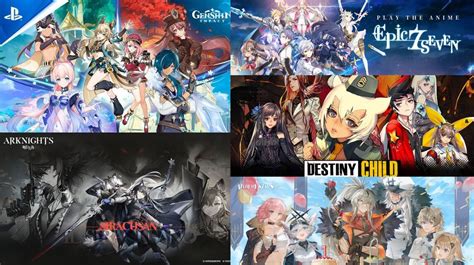
Free-to-play (F2P) gacha games have become a dominant force in the mobile gaming landscape, attracting millions with their promise of endless entertainment without an upfront cost. At their core, gacha games derive their name from Japanese vending machines that dispense random toys, mirroring the in-game mechanic where players spend virtual currency (often bought with real money) for a chance to acquire rare characters, items, or upgrades. While the ‘free’ aspect is a powerful draw, the ecosystem is built on sophisticated psychological principles designed to encourage continuous engagement and, crucially, spending.
For many, gacha games offer a thrilling experience: the anticipation of a pull, the joy of acquiring a coveted item, and the strategic depth of building a powerful team. However, beneath this surface lies a delicate balance between providing genuine value and deploying clever traps that can lead to impulsive or excessive spending. Understanding this dynamic is key to enjoying these games responsibly.
Unmasking the Psychological Traps
Gacha mechanics are finely tuned to exploit common psychological biases. One of the most prevalent is the Sunk Cost Fallacy, where players feel compelled to continue spending because of the time and money they’ve already invested. If you’ve spent hundreds of hours grinding or even a modest sum on a character, it’s harder to walk away, even if the current odds are unfavorable.
Another powerful motivator is Fear of Missing Out (FOMO), expertly leveraged through limited-time banners, seasonal events, and exclusive characters. The pressure to acquire a unit before it’s gone forever can override rational decision-making, leading to hurried purchases. The variable ratio reinforcement schedule, similar to slot machines, ensures that rewards are unpredictable but occasional, keeping players hooked on the hope of the next big win.

The subtle gamification of spending, often presented as ‘deals’ or ‘value packs,’ can also obscure the true cost. Small, frequent purchases add up quickly, and the dopamine rush associated with each ‘pull’ can be highly addictive, blurring the lines between entertainment and a spending habit. Confirmation bias also plays a role; players often remember their lucky pulls more vividly than their numerous unsuccessful ones, reinforcing the belief that ‘the next one will be a winner.’
How to Spot True Value in Gacha
Despite the inherent psychological hooks, it is possible to navigate gacha games without falling prey to their traps. The first step is to recognize when a game offers genuine value to its F2P or low-spending players. Look for games that are generous with their premium currency, allowing dedicated F2P players to accumulate enough for multiple pulls over time without spending. Robust ‘pity’ systems, which guarantee a rare unit after a certain number of unsuccessful pulls, are also strong indicators of a player-friendly design, mitigating the frustration of endless bad luck.
True value also lies in a game’s core gameplay loop and long-term progression. Can you enjoy the strategic battles, the story, or the community features without needing the absolute top-tier units? Games that offer multiple viable team compositions, even with free or easily obtainable characters, demonstrate a commitment to player experience over aggressive monetization. Battle Passes, while requiring a small purchase, can sometimes offer significantly better value for money than direct gacha pulls, providing consistent rewards for playing normally.

Strategies for Mindful Play
To stay in control, players should adopt several strategies. Firstly, set a strict budget, even if it’s zero, and stick to it. Treat gacha spending like any other entertainment expense. Secondly, research. Before pulling on a new banner, check community reviews, watch gameplay videos, and understand the unit’s longevity and necessity. Sometimes, a unit might be powerful but quickly power-crept, rendering it less valuable in the long run.
Focus on the core game experience rather than just the chase for rare units. Many gacha games offer rich narratives, engaging combat systems, or robust social features that can be enjoyed irrespective of your luck with pulls. Distinguish between ‘wants’ and ‘needs’ – very few units are absolutely essential to complete most content, and often there are F2P alternatives that, while perhaps less optimal, are perfectly capable.

Engaging with the game’s community can be a double-edged sword. While it provides valuable insights and social connection, it can also amplify FOMO and create pressure to keep up with ‘whales’ (players who spend heavily). Be mindful of how community discussions influence your own spending habits.

Conclusion: Empowering Your Gacha Journey
Free-to-play gacha games can offer immense entertainment value, but they demand a conscious effort from players to differentiate genuine fun and progression from the carefully constructed psychological traps. By understanding how these games operate, setting personal boundaries, and critically evaluating the true value proposition, players can enjoy the thrill of the pull without succumbing to impulsive spending.
The power lies in informed decision-making. Play smart, play mindfully, and ensure your gacha journey remains a source of enjoyment, not financial stress. Ultimately, the most valuable reward is a game enjoyed on your terms.