For ‘small’ games, how can a beginner guide best highlight unique mechanics?

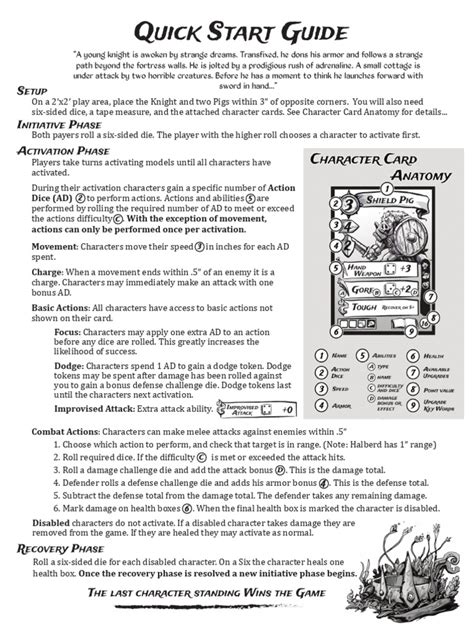
Small or independent games often thrive on their innovative twists and unique core mechanics. Unlike triple-A titles with established genre conventions, a smaller game’s distinct gameplay loop is frequently its primary draw. For new players, however, these very innovations can be a barrier if not introduced effectively. A well-crafted beginner guide doesn’t just teach controls; it strategically illuminates what makes the game special, ensuring players grasp its essence from the outset.
Identify and Prioritize the Core Unique Mechanics
Before writing a single word, thoroughly understand what truly sets your game apart. Is it a unique combat system, an unconventional resource management loop, a novel movement ability, or a groundbreaking narrative device that impacts gameplay? Pinpoint the one to three most critical unique mechanics that define the player experience. Avoid the temptation to list every single feature; instead, focus on those that are absolutely essential for a new player to understand to appreciate the game’s depth and distinctiveness.
Show, Don’t Just Tell: Contextual Learning
The most effective way to teach a unique mechanic isn’t through lengthy text descriptions but by integrating its explanation into a hands-on experience. Design the early game or tutorial to organically introduce these mechanics. For instance, if your game features a unique ‘gravity-defying jump,’ have the player perform it within the first few minutes in a low-stakes environment. Provide immediate feedback and demonstrate its practical application in solving a simple puzzle or traversing a small obstacle.
Text explanations should supplement this practical experience, clarifying nuances rather than being the sole source of instruction. Think about micro-challenges that require the unique mechanic to progress, gently forcing the player to engage with and understand its utility.
Layered Information and Progressive Unveiling
Unique mechanics, especially complex ones, should rarely be dumped on the player all at once. Adopt a layered approach where foundational elements are introduced first, followed by more advanced applications or nuances. Imagine a game with a unique crafting system; first, teach how to gather basic resources, then how to combine them for simple items, and later, introduce rare components or advanced recipes that utilize the system’s unique properties. This prevents information overload and allows players to build understanding progressively.

Utilize Clear Visuals and Interactive Elements
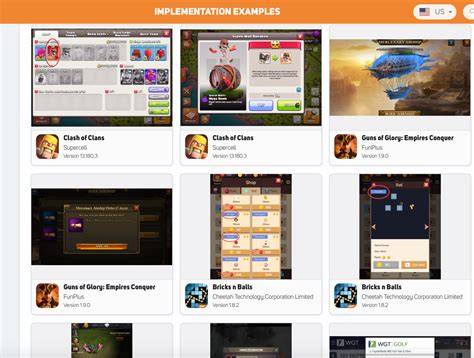
Visuals are paramount, especially for abstract or complex mechanics. Use screenshots, diagrams, or even short animated GIFs (conceptually, the guide can refer to in-game animations or visual cues) to illustrate how a mechanic looks and functions. A picture of a unique UI element or a diagram explaining a complex interaction can convey more than paragraphs of text. If the guide is in-game, interactive prompts, glowing indicators, or highlighted areas can draw attention to the mechanic in action.
Consider using concise, easily digestible language. Avoid jargon where possible, or explain it clearly when necessary. Bullet points, bold text, and short paragraphs can significantly improve readability and information retention, especially for players eager to jump into gameplay.

Encourage Experimentation and Provide Feedback
A true understanding of unique mechanics often comes from experimentation. Design your guide to not just instruct but also to encourage players to try things out. Create safe spaces or optional challenges where players can practice the mechanic without penalty. More importantly, provide clear, immediate feedback. Did they use the mechanic correctly? What was the outcome? This feedback loop reinforces learning and helps players internalize the mechanic’s rules and possibilities.
For example, if a game has a unique combo system, the guide might present a simple enemy that can only be defeated by performing a specific unique combo, with visual cues indicating success or failure. The goal is for players to develop an intuitive feel for the mechanic, not just a theoretical understanding.

Conclusion: Crafting an Intuitive Path
Highlighting unique mechanics in a beginner guide for small games isn’t about being exhaustive; it’s about being strategic. By identifying core innovations, integrating explanations with hands-on experience, layering information, leveraging strong visuals, and fostering experimentation, guide creators can build an intuitive path for new players. This approach not only educates but also excites, allowing the game’s distinctive brilliance to shine through from the very first moments, turning potential confusion into immediate engagement and appreciation.