For new players, what’s the most crucial “first 5 hours” info our game guides need?

The initial hours of any game are make-or-break. For new players, this critical “first 5 hours” window determines whether they’ll be hooked, confused, or frustrated. As game guide creators, our mission is to streamline this experience, providing precisely the right information at the right time. But what truly constitutes the most crucial knowledge for these formative moments?
Mastering the Fundamentals: Controls, UI, and Core Mechanics
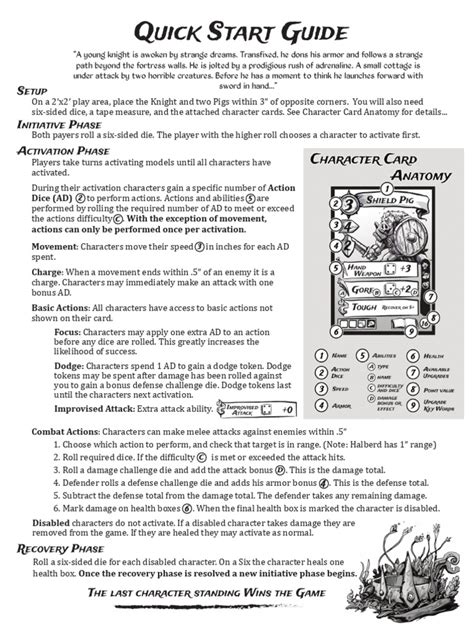
Before anything else, new players need to feel competent with the basics. Our guides should dedicate clear, concise sections to essential controls (movement, interaction, camera), explaining the heads-up display (HUD) elements, and demonstrating how to navigate menus. Forget deep lore or advanced strategies; focus on the practical “how-to.” What buttons do they press to walk, open inventory, or talk to an NPC? Where do they see their health bar or current objective?
Providing a quick-reference guide or a ‘cheat sheet’ for these fundamental actions can dramatically reduce early game friction. Highlight context-sensitive controls, like interacting with objects versus attacking, and explain the significance of icons that might not be immediately obvious.
Understanding the Core Gameplay Loop and First Objectives
Once controls are solid, players need direction. The guide must clearly articulate the game’s core gameplay loop: what are they primarily doing? Is it exploring, questing, crafting, or combat? More importantly, what are the immediate, first objectives they should pursue? This often involves the very first quest, a basic tutorial mission, or the steps needed to reach the initial hub area.
Break down these early objectives into digestible steps. For example, “1. Talk to the Innkeeper,” “2. Collect 3 Wolf Pelts,” “3. Return to the Innkeeper.” Explain why these steps are important (e.g., they unlock new areas, reward essential gear, or teach a new mechanic). Don’t just list tasks; provide context and a sense of purpose.
Early Game Progression and Resource Management
New players quickly want to feel like they’re making progress. Our guides should introduce the simplest forms of progression and resource management. How do they get their first weapon or armor? Where do they find the most basic crafting materials or healing items? Explain the very first opportunities for character upgrades, even if it’s just gaining a level or allocating a single skill point.
Avoid overwhelming them with intricate build guides. Instead, focus on the immediate, impactful choices. For a role-playing game, suggest a straightforward starting class or character build. For a survival game, identify crucial early resources and how to acquire them. Empower them to make basic, successful decisions without fear of “messing up.”
Common Pitfalls and How to Avoid Them
Every game has its early-game traps or misconceptions. Our guides should proactively address these. Is there a critical item players often miss? A common enemy type that unfairly punishes new players? A specific quest line that’s easy to get sidetracked on or accidentally abandon? Identifying these pain points and offering solutions or warnings can save countless headaches.
For instance, if a particular area has high-level enemies that are easily stumbled upon, warn players to avoid it until later. If a tutorial mechanic is easily forgotten, provide a reminder. This foresight builds trust with the player and helps them feel supported rather than abandoned to figure things out alone.

Setting Expectations and Fostering Exploration
While guides aim to provide direction, it’s equally important not to suffocate the player’s sense of discovery. The “first 5 hours” guide should set realistic expectations: the game might start slow, or there might be a learning curve. Reassure them that it’s okay not to understand everything immediately.
Furthermore, balance guidance with encouragement for organic exploration. Provide just enough information to keep them moving forward, but leave room for them to uncover secrets, experiment with mechanics, and find their own path. Hint at future possibilities without spoiling them, cultivating a desire to delve deeper into the game world.
Conclusion: The Foundation of Future Engagement
The first five hours are the foundation upon which a player’s entire experience is built. By meticulously crafting guides that prioritize essential controls, immediate objectives, early progression, and common pitfall avoidance, we empower new players to overcome initial hurdles and genuinely enjoy the game. A well-designed “first 5 hours” guide isn’t just about providing information; it’s about fostering a positive, engaging, and ultimately lasting relationship between the player and the game.