For new players, how can game beginner guides balance depth with quick-start tips?

Entering a new game world, especially one with complex mechanics or vast lore, can be an exhilarating yet overwhelming experience for new players. The challenge for game developers and guide creators lies in designing beginner resources that don’t just dump information, but rather provide a smooth on-ramp. Striking the right balance between immediate, actionable quick-start tips and a more comprehensive, in-depth understanding is paramount for fostering player engagement and long-term retention.
The Dual Imperative: Why Balance Matters
New players are often looking for two things simultaneously: how to start playing right now and what they need to know to succeed long-term. If a guide is too deep from the outset, new players can feel bogged down by information overload and give up before truly experiencing the game. Conversely, a guide that’s too shallow might get them playing, but leave them confused or frustrated when they hit their first significant hurdle, lacking the foundational knowledge to progress.
A well-balanced guide recognizes these needs, offering immediate gratification while subtly laying the groundwork for future learning. It’s about building confidence and competence progressively.
Strategies for Effective Quick-Start Integration
Prioritize Core Mechanics and Immediate Goals
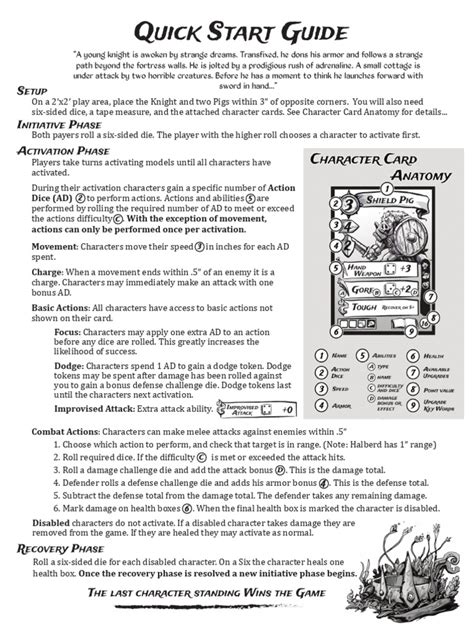
Quick-start tips should focus on the absolute essentials: movement, basic combat, primary objective, and core UI navigation. What does a player need to do in the first 10-15 minutes? Present this information concisely, perhaps through bullet points or short, direct sentences. Think of it as a survival kit for their first steps.
Visual Cues and Interactive Elements
Don’t just tell; show. Screenshots, short GIFs, or even interactive tutorials built directly into the game can convey information far more efficiently than paragraphs of text. Highlight relevant UI elements, show a basic combat sequence, or demonstrate a simple crafting recipe. This visual learning accelerates understanding.
Progressive Disclosure
Introduce concepts as they become relevant. For example, don’t explain advanced character builds when a player is still learning how to swing a sword. Instead, provide a small, digestible tip for the current situation and hint that more detailed information is available later.
Integrating Depth Without Overwhelm
Dedicated Sections for Deeper Dives
Once the quick-start essentials are covered, create clearly labeled sections for “Advanced Combat,” “Crafting System Explained,” or “Lore and Factions.” These sections allow curious players to delve deeper when they are ready, without forcing the information on those who aren’t.
Contextual “Learn More” Links
Within the quick-start sections, strategically place “Learn More” links or tooltips that expand upon a concept. For instance, after a basic combat tip, a link could lead to a detailed guide on character stats or weapon types. This empowers players to control their learning pace.
Glossaries and FAQs
A comprehensive glossary of terms and a frequently asked questions (FAQ) section can serve as invaluable reference points. Players can quickly look up unfamiliar jargon or common problems without sifting through long guides. This offers depth on demand.

Achieving the Perfect Harmony
The Layered Approach
Perhaps the most effective strategy is a layered approach: an initial, very brief quick-start guide that covers absolute necessities. This is followed by a slightly more detailed “getting started” guide, which then branches out to comprehensive sections for specific game aspects. Each layer builds upon the last, offering increasing levels of detail.
Anticipate Player Questions
Good guides anticipate what a new player will likely ask next. After explaining how to move, the next logical question might be “how do I interact with the world?” or “how do I find my first quest?” Structure the guide to flow naturally from one question to the next, starting simple and gradually increasing complexity.
User Testing and Feedback
The best way to gauge the effectiveness of a beginner guide is through user testing with actual new players. Observe where they get stuck, what questions they ask, and where they feel overwhelmed or under-informed. Use this feedback to refine the balance, ensuring clarity and utility.
Balancing quick-start tips with in-depth explanations is an art form critical to game success. It requires empathy for the new player experience, a clear understanding of core game mechanics, and a thoughtful approach to information architecture. By prioritizing immediate engagement while providing clear pathways to deeper understanding, game beginner guides can transform potential frustration into lasting enjoyment, turning curious newcomers into dedicated adventurers.