For new games, how do you balance basic mechanics with core strategy in beginner guides?
The Dual Challenge of Beginner Guides
Creating an effective beginner guide for a new game presents a unique challenge: how do you introduce players to the very basics—the ‘how-to’ of movement, interaction, and basic abilities—while simultaneously laying the groundwork for the ‘why-to’ of strategic decision-making and long-term goals? Overwhelm players with too much information too soon, and they might quit. Underestimate their need for strategic context, and they might feel lost even after mastering the controls. The key lies in a thoughtful, layered approach.
Establishing the Foundation: Basic Mechanics
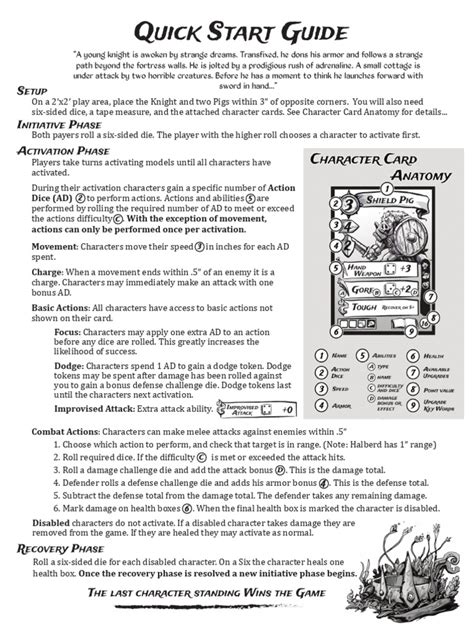
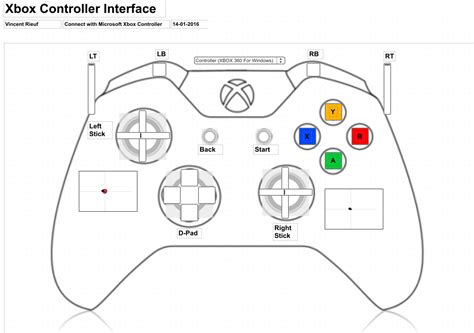
Before any strategy can be contemplated, players must understand the game’s fundamental language: its mechanics. This includes controls (keyboard/mouse bindings, controller layouts), user interface (HUD elements, menus), basic movement, interacting with objects, and the primary functions of their character or units. This foundational knowledge is non-negotiable and should be presented with utmost clarity and conciseness.
- Visual Cues: Use screenshots, GIFs, or short video clips to demonstrate actions.
- Interactive Tutorials: If possible, design in-game tutorials that allow players to practice each mechanic actively.
- Concise Language: Avoid jargon. Explain terms simply and introduce them gradually.
- Prioritization: Focus on the absolute essentials needed to complete the first few objectives.
Introducing Core Strategy: The ‘Why’ Behind the ‘How’
Once basic mechanics are grasped, the guide can begin to introduce core strategic concepts. This isn’t about revealing advanced meta-game tactics but about explaining the fundamental principles that govern successful play. For example, in an RTS, it’s not just ‘how to build a barracks’ but ‘why building barracks early helps secure map control.’
The introduction of strategy should be incremental, building upon the mechanics already learned. Connect the dots: show how using a basic mechanic in a specific way contributes to a larger goal.

The Balancing Act: Weaving Mechanics and Strategy
The true art of a beginner guide is in the weaving. Don’t separate mechanics and strategy into entirely distinct sections; instead, create a dialogue between them. Here’s how:
- Contextualize Mechanics: As soon as a mechanic is introduced, briefly explain its primary strategic purpose. E.g., “Press ‘F’ to use your shield, which is crucial for blocking enemy ranged attacks and protecting allies.”
- Scenario-Based Learning: Present simple, guided scenarios where players apply basic mechanics to achieve a minor strategic objective. “In this encounter, focus fire on the weakest enemy first to quickly reduce their damage output.”
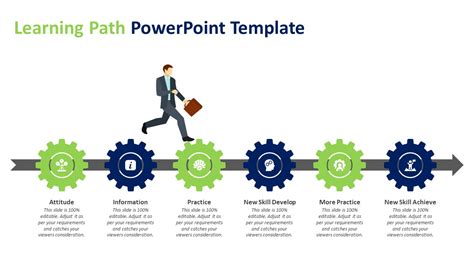
- Gradual Unveiling of Complexity: Start with simple strategies (e.g., target priority, resource gathering loops) and, as the guide progresses, introduce slightly more complex ideas (e.g., counter-picking, map awareness).
- Focus on Core Loops: Highlight the fundamental gameplay loop that drives the game (e.g., gather resources -> build units -> attack enemy base).
Key Principles for Effective Guides
Clarity and Conciseness
Every word and image in your guide should serve a purpose. Eliminate fluff. Use bullet points, bold text, and clear headings to break down information.
Progressive Difficulty
Structure the guide so that each section builds logically on the last. Avoid jumping from basic controls to advanced tactics without intermediate steps.
Practical Application
Theory is useful, but practical application is vital. Provide examples of how to use mechanics strategically, perhaps even suggesting a few “first steps” or “things to try.”

Encouraging Experimentation
A good guide doesn’t just dictate; it empowers. Encourage players to experiment with mechanics and strategies once they have a basic understanding. Remind them that learning involves trying, failing, and adapting.
Conclusion
Balancing basic mechanics with core strategy in beginner guides is about creating a learning journey. Start with a solid foundation of ‘how-to,’ then gradually introduce the ‘why-to,’ always connecting the two. By doing so, you don’t just teach players to push buttons; you teach them to understand the game, fostering a deeper engagement and significantly improving their chances of sticking with and enjoying the new experience.