For new gamers, how can a beginner guide effectively teach core mechanics fast?

For new gamers, the initial hours with a new title can be either an exhilarating discovery or a frustrating roadblock. An effective beginner guide doesn’t just explain the rules; it rapidly instills core mechanics, transforming confusion into competence. The goal is to get players enjoying the game as quickly as possible, building confidence rather than overwhelming them.
Understanding the New Player Mindset
New players are often a mix of excitement and apprehension. They want to jump into the action but fear making critical mistakes. They’re looking for quick wins and a clear path to understanding, not a comprehensive manual. Information overload is the enemy; simplicity and directness are allies. They need to grasp the ‘what’ and ‘how’ quickly, before diving into the ‘why’ and ‘when’.
Core Principles for Rapid Learning
1. Show, Don’t Just Tell
Visual demonstrations are far more effective than text descriptions. Instead of explaining how to perform a jump, show an animated character jumping with a clear button prompt. Use short, crisp video clips or animated GIFs within the guide. Leverage in-game highlights or ghosting mechanics to illustrate optimal actions.

2. Progressive Difficulty and Scaffolding
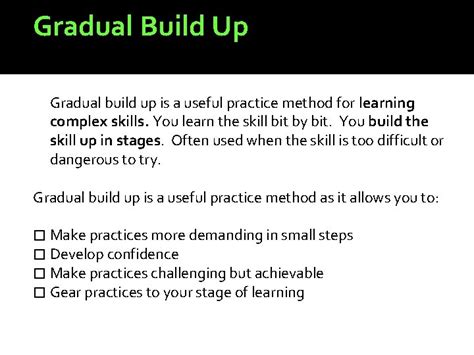
Introduce one core mechanic at a time, building upon previously learned skills. Start with movement, then basic interaction, then simple combat, and so on. Each new concept should feel like a natural progression, not a sudden leap. Provide a safe, controlled environment for practice where mistakes have minimal consequences.
3. Immediate Feedback and Practice
Players learn best by doing. Integrate interactive elements that allow immediate practice of new mechanics. Did they successfully block an attack? Give positive reinforcement. Did they fail to execute a combo? Offer a hint or repeat the demonstration. Feedback should be clear, instantaneous, and constructive, guiding them toward the correct execution.

4. Concise Information and UI Cues
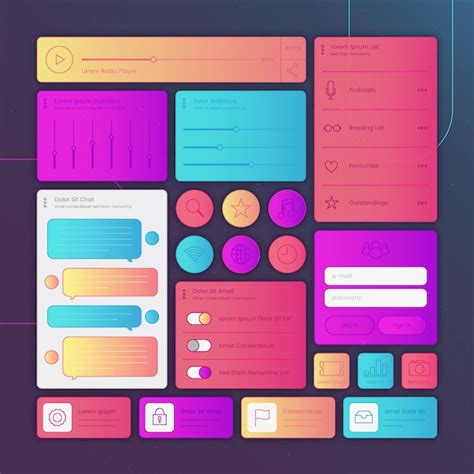
Avoid lengthy paragraphs. Use bullet points, short sentences, and clear headings. Crucially, integrate the guide with the game’s UI. Highlight relevant HUD elements, contextualize prompts directly in the game world, and use iconography that quickly conveys meaning. A minimalist UI during initial onboarding can reduce distractions.
5. Contextual Learning and Motivation
Explain why a mechanic is important within the game’s context. How does mastering dodging help them survive this boss? What new areas will unlocking double-jump allow them to access? Connecting mechanics to immediate benefits and overarching game goals provides motivation and makes learning feel purposeful, rather than just rote memorization.

Practical Strategies for Guide Implementation
- Micro-Tutorials: Break down complex systems into several very short, focused tutorials rather than one long one.
- Optional Deep Dives: Offer optional ‘pro tips’ or ‘advanced techniques’ sections for players who want to explore further, but keep them separate from the core onboarding.
- Player Agency: Allow players to skip sections they already understand or revisit tutorials as needed.
- Accessibility: Ensure guides are accessible, with clear text, contrasting colors, and options for different learning styles.
Conclusion
Effectively teaching core mechanics fast isn’t about rushing information; it’s about smart delivery. By understanding the new player’s psychology, prioritizing visual and interactive learning, and employing progressive, concise, and contextual instruction, a beginner guide can quickly transform novices into confident participants, ready to explore the deeper layers of your game. A well-designed onboarding experience is not just a tutorial; it’s the first step towards long-term player engagement.