For games, how can a beginner guide simplify setup & core rules for a great first play?

Stepping into a new game, whether it’s a complex board game, a strategic card game, or an intricate RPG, can be daunting. The rulebook often feels like a textbook, and the setup process like assembling a complex puzzle. This initial hurdle can make or break a player’s first impression. A truly effective beginner guide doesn’t just explain the rules; it orchestrates a seamless introduction, paving the way for immediate fun.
The Beginner’s First Impression: More Than Just Rules
For a beginner, the goal isn’t to master every nuance on the first go, but to understand enough to play, engage, and have fun. An overwhelming first play can lead to frustration and a game collecting dust. A simplified guide focuses on the essentials, building confidence rather than causing confusion. It’s about getting players into the action quickly, fostering a positive emotional connection with the game from the outset.

Streamlining the Setup Process
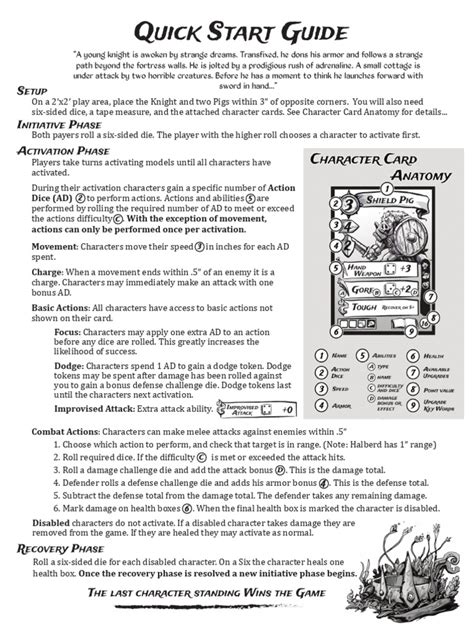
One of the biggest roadblocks for new players is the setup. A beginner guide should transform this often-complex task into a clear, step-by-step procedure. Instead of walls of text, consider:
- Visual Checklists: Use clear diagrams or photos of components and their starting positions.
- Numbered Steps: Break down setup into simple, actionable points, avoiding jargon.
- Quick Start Maps: A single, annotated image showing the fully set-up game can be invaluable.
- Component Highlight: Clearly identify each component and its role during setup.
The aim is to minimize decision fatigue and maximize clarity, allowing players to spend less time arranging pieces and more time anticipating gameplay.

Prioritizing Core Rules for Immediate Play
Not all rules are created equal, especially for a first play. A beginner guide should distinguish between essential rules and advanced mechanics. Focus on:
- The Core Loop: What do players do on a turn? How do they win or lose?
- Key Terminology: Explain crucial terms concisely.
- Essential Interactions: How do players interact with the game board, components, and each other?
- ‘Play-as-You-Learn’ Philosophy: Empower players to start with foundational rules and introduce more complex elements or optional rules in subsequent plays.
This approach prevents information overload, allowing new players to build a basic understanding before layering on deeper strategies.

Effective Presentation: Layout and Language
The way information is presented is just as important as the information itself. A beginner guide should be:
- Visually Appealing: Use clear headings, bullet points, and ample white space.
- Concise Language: Avoid overly technical terms and long sentences.
- Flowcharts & Examples: Illustrate complex rule sequences with simple flowcharts or turn examples.
- Quick Reference Cards: Provide small, digestible cards summarizing common actions or important rules.
A well-designed layout guides the eye and reduces cognitive load, making the learning process feel intuitive and less like a chore.

The Payoff: A Memorable First Play
When a beginner guide successfully simplifies setup and core rules, the result is more than just a played game; it’s a positive memory. Players feel accomplished, empowered, and eager for future sessions. This smooth onboarding experience transforms potential frustration into immediate enjoyment, encouraging deeper engagement and fostering a love for the game. For game designers, investing in a robust, simplified beginner guide is not just a courtesy—it’s a critical component for long-term player retention and game success.