For game guides, how to simplify core mechanics for absolute beginners without jargon?

Bridging the Gap: Welcoming Absolute Beginners to Game Mechanics
Stepping into a new game can be exhilarating, but for absolute beginners, it can also feel like learning a new language. Game guides often fall into the trap of using internal jargon or assuming a baseline understanding that simply isn’t there. The key to effective onboarding is simplification and clarity, ensuring new players grasp core concepts without feeling overwhelmed and can truly enjoy their first experiences.

1. Speak Their Language: Analogies and Everyday Terms
The most powerful tool for simplifying complex mechanics is the use of relatable analogies. Instead of explaining “mana regeneration” as a technical process, compare it to “your phone battery slowly recharging.” “Health points” can be understood as “how much damage you can take before falling.” By linking game concepts to real-world experiences, you bypass the need for abstract definitions.
Furthermore, actively substitute jargon. Don’t say “aggro management”; say “making sure the enemies attack the right person.” Avoid “DPS” and instead explain “how much damage you do per second.” The goal is immediate comprehension, focusing on what the term means in practical play rather than its technical definition.

2. Focus on “What to Do,” Not “How it Works” (Initially)
Beginners need to know how to interact with the game, not the intricate algorithms running beneath. Instead of detailing the complex calculations behind a critical hit chance, simply state: “Hitting enemies in their weak points sometimes deals extra damage.” Instead of explaining a character’s “skill tree” as a nested data structure, describe it as “a menu where you choose new abilities as you level up.”
Prioritize actions over explanations. “Press X to attack” is far more useful than a paragraph describing the combat system’s input layer. Gradually introduce the “why” and “how” once the player is comfortable with the “what.” This iterative approach builds confidence before diving into deeper game lore or mechanics.
3. Break It Down: Incremental Learning
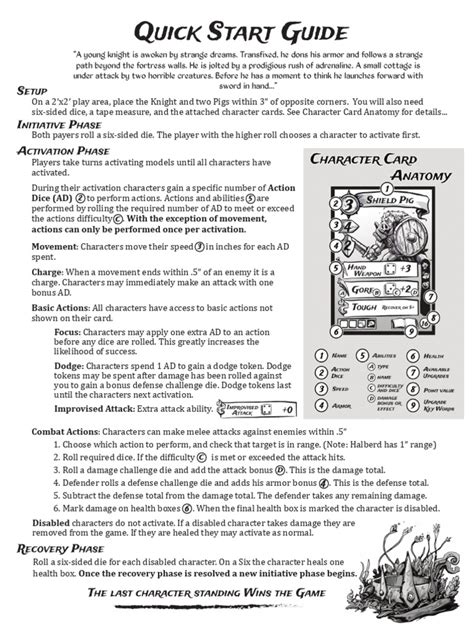
Complex game systems should be introduced in bite-sized pieces. Don’t throw the entire crafting system, combat mechanics, and inventory management at a player all at once. Start with the absolute minimum required to play. For instance, in a combat-heavy game, first explain basic movement and a single attack. Once that’s understood, introduce blocking, then special abilities, then perhaps targeting. Each new piece builds on a mastered foundation.
Use numbered steps or simple bullet points to guide them through processes. “To cast a spell: 1. Select the spell. 2. Target an enemy. 3. Press the cast button.” This structured approach reduces cognitive load and prevents players from feeling overwhelmed by too much information at once.
4. Visuals (Even if Conceptual) and Context are Key
Even in a text-based guide, you can evoke visual clarity. Describe what a beginner should “see” or “look for.” For example, “When your character is low on health, their screen might flash red – that’s your sign to heal!” Or, “Notice the glowing path on the ground? Follow that to your next objective.” This helps players connect text instructions with in-game experiences.

Always provide context. Why is this mechanic important? What problem does it solve? Understanding the purpose makes learning much easier. “You need to collect wood because it lets you build shelters to protect you from monsters at night.” Explaining the ‘why’ behind actions provides motivation and deeper understanding.
5. Reinforce and Revisit
Don’t assume a player will remember everything after reading it once. Briefly revisit core concepts in different sections if they are relevant. For example, when discussing combat strategy, you might briefly remind them, “Remember your ‘phone battery’ (mana) for special attacks!” This gentle reinforcement helps cement understanding without being patronizing. Consistent, subtle reminders build long-term retention.
Ultimately, the goal is to build confidence. A beginner guide should feel like a patient mentor, not an academic textbook. By prioritizing simplicity, relatability, and incremental learning, you can unlock the joy of gaming for everyone, making the initial learning curve a smooth and enjoyable part of the experience.