For game guides, how do you simplify complex core mechanics for total beginners?
Creating game guides for total beginners is a unique challenge. While experienced players might grasp complex systems quickly, a newcomer needs careful guidance. The goal isn’t just to explain ‘what’ but ‘how’ and ‘why’ in the simplest, most approachable terms possible. Here’s how to demystify intricate core mechanics for those just starting their gaming journey.
Embrace the Beginner’s Mindset
The first and most crucial step is to put yourself in the shoes of someone who knows absolutely nothing about the game, or even the genre. Forget your own hundreds of hours of playtime. A beginner doesn’t understand acronyms, common gaming tropes, or the subtle implications of UI elements. Assume zero prior knowledge and build from the ground up.

Break Down Mechanics into Atomic Chunks
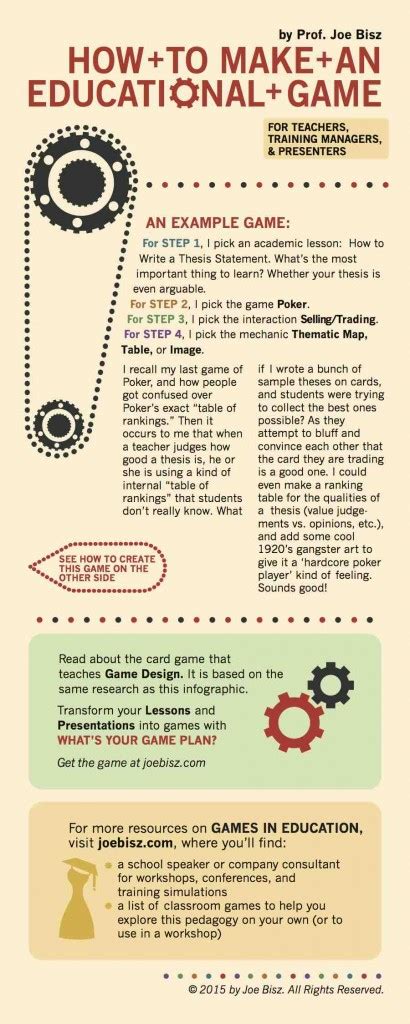
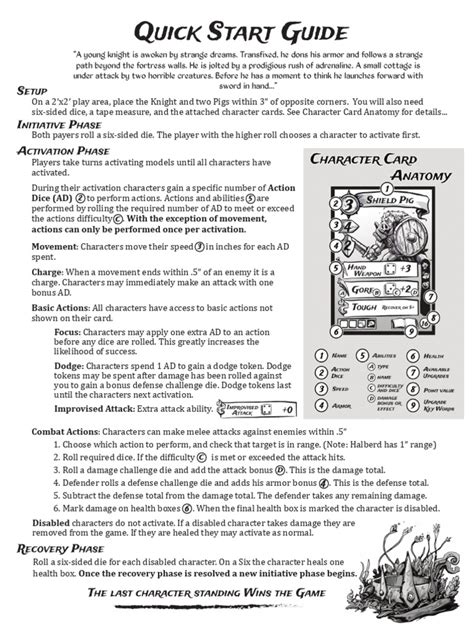
Complex systems are often just a collection of simpler, interconnected parts. Identify these individual components and explain each one in isolation before showing how they fit together. For instance, instead of explaining “combat” as a whole, break it into “attacking,” “defending,” “ability usage,” and “resource management,” explaining each separately.
Start with the absolute basics. What’s the very first action a player needs to take? How do they move? How do they interact with the world? Build a logical sequence of understanding, ensuring each step is mastered before moving to the next. Avoid information overload by focusing on one concept at a time.
Utilize Analogies and Real-World Comparisons
One of the most powerful tools for simplification is the analogy. Relate abstract game concepts to real-world experiences or widely understood ideas. For example, explain a game’s “economy” by comparing it to a real-world market, or a “skill tree” as learning new talents in school. This bridges the gap between the unfamiliar and the familiar, making comprehension much easier.

Prioritize “Why” Over “How” Initially
Before diving into step-by-step instructions, explain the purpose of a mechanic. Why is it important? What problem does it solve for the player? Understanding the “why” provides context and motivation for learning the “how.” For example, instead of immediately saying “press X to block,” explain that “blocking reduces incoming damage, keeping you alive longer in fights.”
Implement Progressive Disclosure
Don’t dump all information at once. Introduce concepts gradually, as they become relevant. For a beginner guide, focus on the core loop and essential mechanics needed to progress through the very early stages of the game. Advanced strategies, niche builds, or intricate late-game systems can be reserved for later sections or separate, more advanced guides.

Provide Clear, Concise Language and Visual Cues (Where Applicable)
Avoid jargon, or if it’s unavoidable, explain it clearly the first time it’s used. Use short sentences and direct language. In a written guide, clear formatting, bullet points, and bold text can highlight key information. If you’re designing an in-game tutorial, visual cues, distinct UI highlights, and minimal text are paramount.
When describing actions, be explicit. Instead of “use your ability,” specify “click the ‘Fireball’ icon on your hotbar, then click on the enemy.” Screenshots with highlighted areas, diagrams, or short video clips are incredibly effective, even if they can’t be directly included in this format, the principle applies to actual game guides.

Offer Practical Examples and Scenarios
Theory is good, but practice is better. After explaining a mechanic, provide a simple, common scenario where the player would use it. “For example, if you encounter a shielded enemy, you’ll need to use your ‘shield break’ ability (X button) to expose them to damage before attacking with your sword.” This puts the mechanic into immediate, actionable context.
Conclusion: Patience and Clarity are Key
Simplifying complex game mechanics for total beginners requires patience, empathy, and a commitment to clarity. By breaking down concepts, using relatable analogies, explaining the ‘why’, and providing practical examples, guide writers can transform daunting systems into engaging learning experiences, ensuring new players feel empowered rather than overwhelmed.