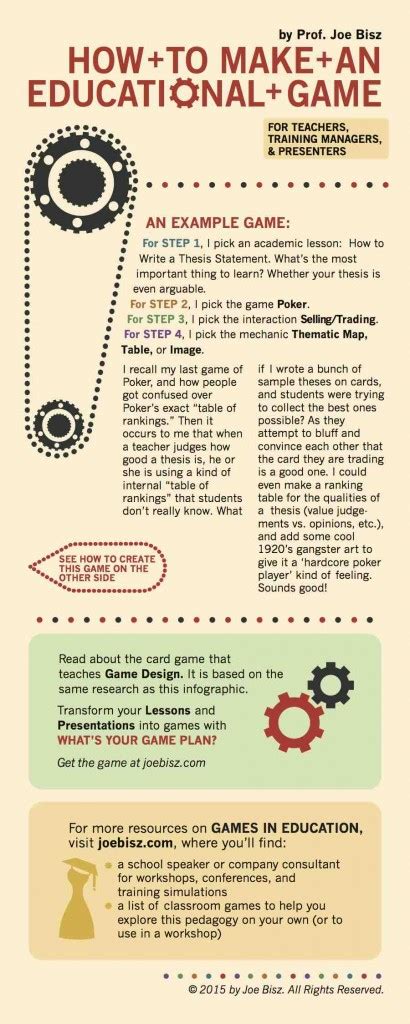
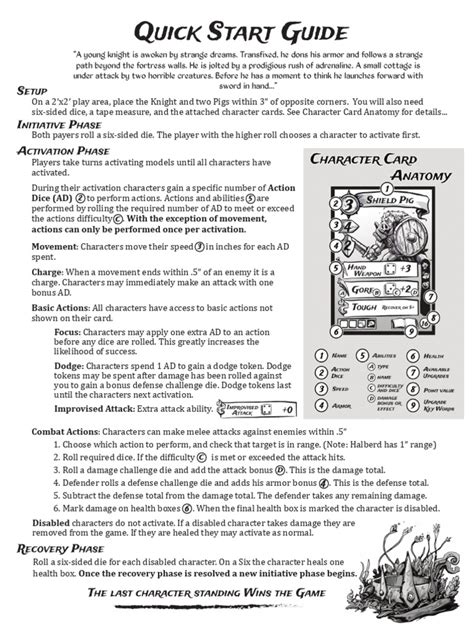
For game guides, how do you balance detailed info with ‘quick start’ simplicity?

The Dual Challenge of Game Guide Creation
Creating a truly effective game guide is a tightrope walk. On one side, you have the burgeoning newcomer, eager for a ‘quick start’ to grasp the basics without feeling overwhelmed. On the other, the veteran player or completionist demands exhaustive, intricate details to master every nuance, unearth every secret, and optimize every strategy. Satisfying both audiences simultaneously, without alienating either, is the ultimate balancing act for any guide writer. The key lies in strategic information architecture and understanding diverse player needs.
Understanding Your Diverse Player Base
Before even writing a word, it’s crucial to recognize the different types of players who will consume your guide:
- The Absolute Beginner: Needs simple, direct instructions to get going, understand core mechanics, and achieve their first few wins or progression milestones. They are easily deterred by jargon or excessive detail.
- The Intermediate Player: Has a grasp of the fundamentals but seeks tips for improving, understanding specific systems, or finding common items/locations. They want to move beyond basic survival.
- The Advanced Player/Completionist: Craves comprehensive data, optimal builds, obscure lore, hidden mechanics, and efficient routes for 100% completion. They appreciate deep dives and theoretical discussions.
A successful guide must cater to these varying levels of engagement and knowledge without forcing every reader through information they don’t need or want.
Strategies for ‘Quick Start’ Simplicity
To serve the new player, simplicity and immediacy are paramount. This involves:
- Dedicated Quick Start Sections: Implement a prominent section at the very beginning of your guide titled ‘Quick Start Guide’ or ‘Getting Started.’ This should be a concise summary of essential first steps, core controls, and immediate goals.
- Prioritize Essential Information: Focus on what a new player absolutely *must* know to play the game for the first hour. Avoid jargon; explain concepts simply.
- Visual Aids & Scannability: Use headings, subheadings, bullet points, bold text, and images to break up large blocks of text. New players scan more than they read.
- Progressive Disclosure: Don’t dump all the information at once. Introduce complex mechanics only when they become relevant or are necessary for further progression.
- Actionable Advice: Offer clear, step-by-step instructions for early game tasks rather than theoretical explanations.
Integrating Detailed Information Seamlessly
While simplicity is vital for quick starts, the depth of information is what makes a guide truly valuable in the long run. Here’s how to weave in detail without overwhelming:
- Layered Approach: Start with a high-level overview of a topic, then offer ‘learn more’ links or dedicated sub-sections for deeper dives. For example, introduce a ‘Crafting’ section with basics, then link to ‘Advanced Crafting Recipes’ or ‘Ingredient Locations.’
- Contextual Relevance: Provide detailed explanations when they are directly relevant to the task at hand. If discussing a boss fight, detail its weaknesses and attack patterns in that section, rather than in a general ‘Enemy Types’ appendix.
- Appendices and Dedicated Sections: Reserve comprehensive data tables, lore explanations, full item lists, or advanced build optimizations for their own clearly labeled sections, often towards the end of the guide or as separate linked pages.
- Cross-Referencing & Internal Linking: Use hyperlinks generously. If you mention an item, link directly to its detailed entry. If you explain a mechanic, link to where it’s applied. This allows readers to explore at their own pace.
- Examples and Scenarios: Illustrate complex mechanics with practical examples or ‘what if’ scenarios. Showing how a stat works in a specific combat situation is more effective than just listing its definition.
![Infographic Video Games Evolution Of Video Games [Infographic]](/images/aHR0cHM6Ly90czEubW0uYmluZy5uZXQvdGg/aWQ9T0lQLmJmazNfWm9lZm9SSTZzdEpiNjJOWHdIYUVLJnBpZD0xNS4x.webp)
The Role of Structure and Navigation
The overall structure of your guide is the backbone that supports both simplicity and depth. A well-organized guide allows players to quickly find what they need, regardless of their knowledge level.
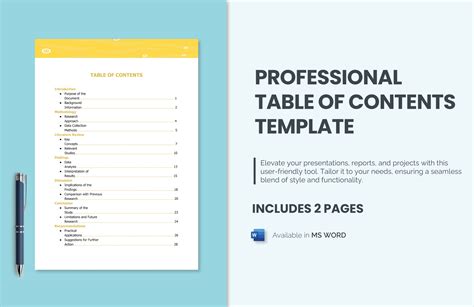
- Clear Table of Contents: An interactive table of contents (for digital guides) or a well-structured one (for print) is non-negotiable. It provides an immediate overview and allows jumping to specific topics.
- Consistent Headings: Use logical and consistent heading structures (H2 for main sections, H3 for sub-sections, etc.) to create a clear hierarchy of information.
- Search Functionality: For online guides, a robust search bar is invaluable, enabling users to pinpoint specific keywords or topics instantly.
- Logical Flow: Even with advanced sections, ensure a logical progression of information within each topic, typically moving from general concepts to specific details.
Conclusion: A Guide for All Seasons
Balancing detailed information with ‘quick start’ simplicity in game guides isn’t about compromise; it’s about intelligent design. By understanding your audience, implementing dedicated quick-start elements, layering detailed information thoughtfully, and prioritizing clear navigation, you can create a comprehensive resource that welcomes beginners while empowering veterans. The best game guides are not just repositories of facts, but expertly curated journeys of discovery, tailored to every player’s pace and curiosity.