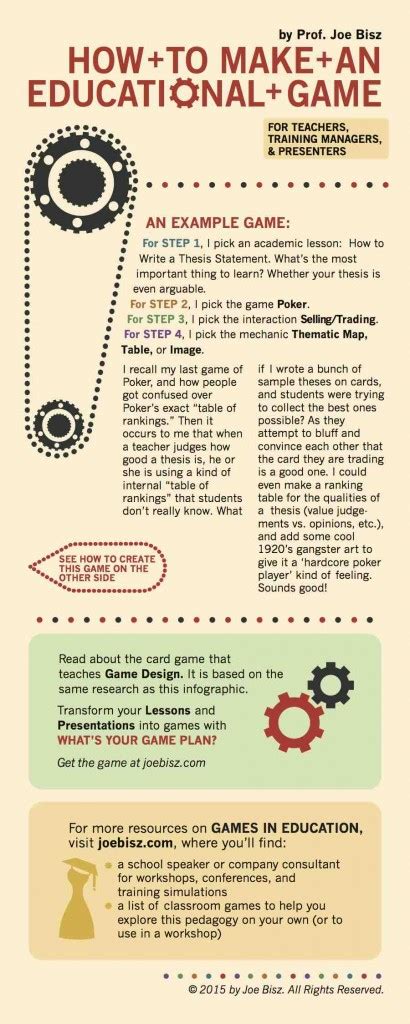
For game guides, how do we balance comprehensive detail with avoiding beginner overwhelm?

Creating effective game guides is an art form, especially when catering to a diverse audience ranging from complete novices to seasoned players looking for advanced strategies. The central challenge lies in a seemingly contradictory goal: providing every piece of information a player might need, while simultaneously ensuring that new players aren’t immediately discouraged by an impenetrable wall of text and jargon.
The Perils of Over-Information and Under-Information
Too much detail, especially early on, can lead to “analysis paralysis.” Beginners might feel overwhelmed, assume the game is too complex, or simply give up trying to understand the guide. Conversely, too little detail leaves players frustrated, searching for answers elsewhere, or missing crucial mechanics that enhance their experience. The sweet spot delivers information progressively, tailored to the player’s immediate needs and growing understanding.
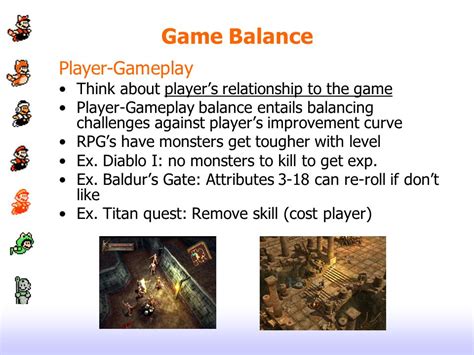
1. Layered Information and Progressive Disclosure
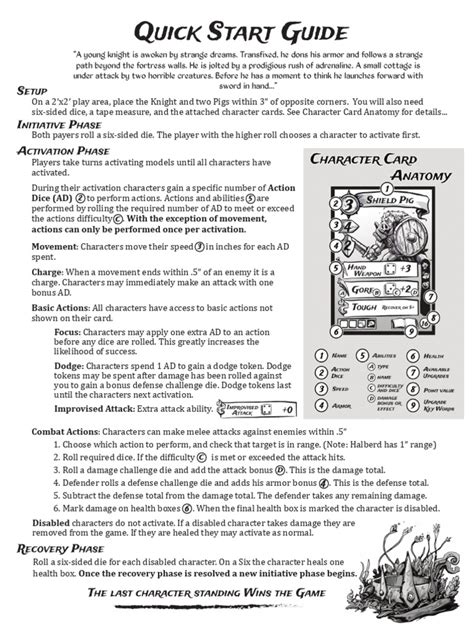
This is perhaps the most crucial technique. Instead of dumping everything at once, present information in layers. Start with the absolute essentials – what a beginner needs to know to take their first steps. Subsequent sections or linked pages can delve deeper into mechanics, strategies, and lore. Think of it as a pyramid: broad, essential information at the top, leading to narrower, more specific details at the bottom.
- Quick Start Guides: A concise, bare-bones path to get playing.
- Basic Mechanics: Explain core gameplay loop, controls, and UI elements.
- Advanced Strategies: Reserved for later sections or separate guides.
2. Understand Your Audience Segments
While a guide might aim to be universal, different sections can target different player types. Clearly label sections for “Beginners,” “Intermediate Players,” or “Expert Tips.” This allows users to navigate directly to the information relevant to their current skill level and avoid sections that are either too simplistic or too advanced for them.
3. Prioritize Navigation and Structure
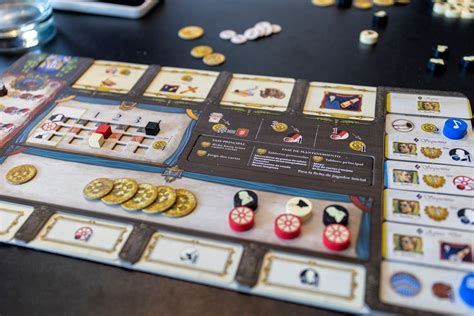
A well-structured guide is a navigable guide. Use clear headings (H2, H3), bullet points, numbered lists, and bold text to break up paragraphs and highlight key information. A table of contents, especially for longer guides, is indispensable. Internal links that allow players to jump to specific sections or related topics can greatly enhance the user experience, preventing the need for endless scrolling.
4. Leverage Visual Aids and Examples
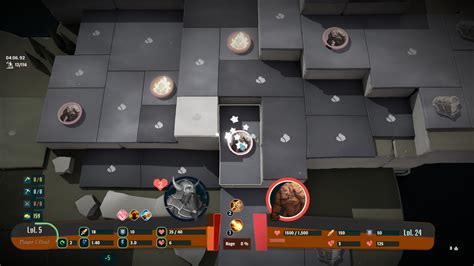
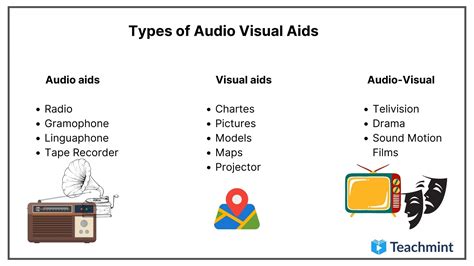
A picture is worth a thousand words, especially in game guides. Screenshots, diagrams, and short video clips can clarify complex concepts faster and more effectively than text alone. Show, don’t just tell. For instance, instead of describing a UI element, include a screenshot with the element highlighted. Provide concrete examples for strategies or build explanations.
5. Concise Language and Jargon Management
Use clear, straightforward language. Avoid overly technical jargon where possible, or if necessary, provide brief explanations. For terms that are integral to the game, create a glossary or link to definitions. Beginners appreciate clarity; experts can skim past explanations they already know.
6. Offer “Quick Reference” Alongside “Deep Dives”
Sometimes players just need a quick answer – what does this item do? How do I craft that? Include easily scannable sections like “Item Lists” or “Crafting Recipes” that offer immediate answers without lengthy explanations. These can coexist with more detailed sections explaining the *why* and *how* of those elements.
Testing and Feedback
The best way to know if your guide hits the mark is to test it. Have actual beginners and experienced players read through it. Ask them specific questions: Was anything unclear? Did you feel overwhelmed? Was crucial information missing? User feedback is invaluable for fine-tuning the balance.
Conclusion
Balancing comprehensive detail with avoiding beginner overwhelm in game guides is an ongoing process of thoughtful design and iteration. By employing strategies like layered information, clear structure, visual aids, and audience-aware writing, guide creators can craft resources that are both profoundly useful and genuinely accessible, enhancing the game experience for everyone.