For game beginner guides, how to balance detail with simplicity?
Creating a truly effective beginner’s guide for a video game is an art form. The challenge lies in a perpetual tug-of-war: providing enough detail to ensure new players understand crucial mechanics and make progress, while simultaneously keeping the information simple and digestible to prevent them from feeling overwhelmed. Strike the right balance, and you empower new players; miss it, and you risk driving them away.
Understanding the Beginner’s Mindset
New players are often curious, eager to learn, but also easily intimidated. They don’t know the jargon, haven’t developed muscle memory for controls, and lack a fundamental understanding of the game’s core loop or strategic depth. Bombarding them with every minor detail, advanced tactic, or hidden mechanic from the outset is counterproductive. Their primary need is a clear path to understanding the absolute essentials and experiencing initial success.

The Indispensable Role of Detail
While simplicity is key, details cannot be entirely omitted. Certain foundational mechanics, critical item interactions, or core progression systems absolutely require clear explanation. Overly simplistic guides might leave players confused about ‘why’ something works, or how to overcome a common early-game hurdle. The goal isn’t to remove detail, but to present it intelligently and progressively.
Strategies for Achieving the Perfect Balance
1. Prioritize Core Concepts Over Exhaustive Lists
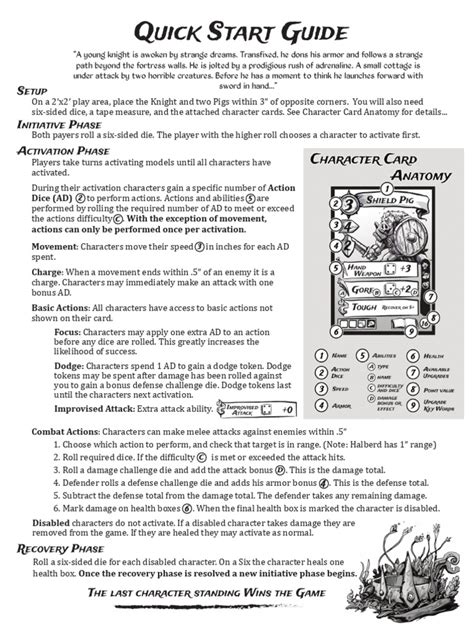
Begin by identifying the 20% of information that will provide 80% of the initial understanding and success. Focus on core controls, the primary objective, essential UI elements, and fundamental combat or interaction loops. Save advanced character builds, optimal resource management, or intricate lore for later sections or separate guides.
2. Employ Progressive Disclosure
Think of your guide as a journey. Start with the absolute basics, then offer avenues for deeper exploration. This can be achieved through:
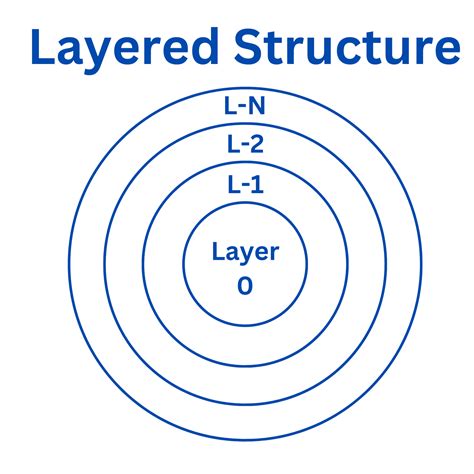
- Tiered Information: Basic explanations followed by ‘Advanced Tips’ or ‘Deep Dive’ sections.
- Click-to-Reveal: (If digital) expandable sections for optional detail.
- Links to Supplementary Content: Referencing other guides for specific, complex topics.
This allows players to absorb what they need and opt-in for more if they desire.
3. Leverage Visuals and Clear Structure
A picture is worth a thousand words, especially in game guides. Screenshots, diagrams, and short video clips (even if just mentioned in your text) can convey complex information far more efficiently than text alone. Supplement this with:
- Headings and Subheadings: Break up text into logical, scannable chunks.
- Bullet Points and Numbered Lists: Ideal for step-by-step instructions or key takeaways.
- Bold Text: Highlight crucial terms or actions.
Clear organization reduces cognitive load and helps players quickly find what they need.

4. Use Analogies and Real-World Examples
When explaining an entirely new game mechanic, relate it to something the player might already understand from other games or real life. Simple analogies can bridge the gap between unknown game logic and familiar concepts, making abstract ideas more concrete and easier to grasp.

5. Solicit and Act on Feedback
The best way to know if your guide hits the mark is to test it with actual beginners. Observe where they get stuck, what questions they ask, and what information they found most helpful or confusing. Iterate based on this feedback. A guide is never truly ‘finished’ if it can be improved for its audience.

Conclusion: Guiding, Not Dictating
The ultimate goal of a game beginner guide is to onboard new players smoothly, fostering their interest and empowering them to explore the game on their own. By carefully balancing essential detail with an emphasis on simplicity, structure, and progressive learning, you create a resource that truly helps newcomers find their footing, instead of overwhelming them with an unmanageable wall of text. It’s about building a bridge, not a fortress, for the journey ahead.