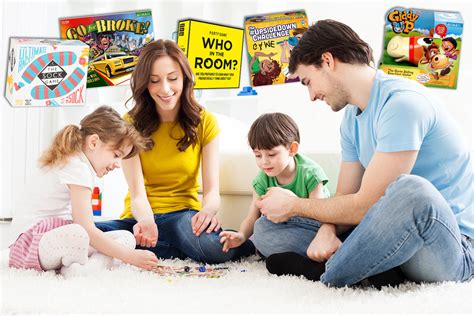
For family game night, what cozy game selection tips ensure engagement for varied ages?

Family game night is a cherished tradition, a perfect opportunity to unplug, connect, and create lasting memories. However, the quest for the ‘perfect’ game that captivates a diverse group – from energetic toddlers and discerning teens to engaged adults and grandparents – can be challenging. The key lies not just in finding a fun game, but a cozy one: a game that fosters connection, laughter, and a sense of shared experience without overwhelming complexity or competitiveness. Let’s explore how to curate a game collection that ensures everyone feels included, engaged, and eager for the next family game night.
Understanding Your Family’s Dynamics
Before diving into specific game recommendations, take a moment to assess your family’s unique composition. Tailoring your selection to their needs is the first step towards guaranteed engagement.
Age Range & Interests
Consider the youngest and oldest players. A game that’s too simple will bore adults, while one that’s too complex will frustrate children. Look for games with a broad recommended age range or those known for being accessible across generations. Think about shared interests – do they love fantasy, animals, puzzles, or storytelling?
Attention Spans
Younger children often have shorter attention spans. Opt for games with quick turns, clear objectives, and a reasonable play time (e.g., 20-45 minutes). Games that allow players to drop in or out without disrupting the flow can also be a lifesaver.

Core Principles for Cozy Game Selection
When “cozy” is the goal, certain game mechanics and themes rise to the top. These principles guide you towards games that promote comfort, connection, and collective joy.
Simplicity & Approachability
While some complex games are fantastic, for multi-age engagement, simpler rules are often better. Games with intuitive mechanics, easy-to-understand scoring, and minimal setup time reduce friction and get everyone playing faster. Look for games where the learning curve is gentle and assistance can be easily offered without giving away the game.
Cooperative Play
Cooperative games are a game-changer for varied age groups. Instead of competing against each other, everyone works together towards a common goal. This eliminates rivalry, fosters teamwork, and ensures that everyone, regardless of skill level, contributes to the shared success or failure. It’s a fantastic way to build camaraderie and celebrate collective achievements.

Flexible Rules & Adaptability
Some games offer ‘variant’ rules or house rules that can be easily adjusted to suit different ages. For instance, younger players might get extra help or simplified objectives, while older players embrace the full complexity. Don’t be afraid to tweak rules slightly to ensure everyone is having fun.
Thematic Appeal
A game’s theme can be a powerful draw. Whimsical, charming, or story-driven themes often resonate more with a broader audience than abstract strategy games. Games about building a shared world, cultivating a garden, exploring a friendly forest, or solving a gentle mystery can create an immersive and inviting atmosphere.

Practical Tips for a Successful Game Night
Beyond selecting the right game, the overall experience plays a crucial role in ensuring engagement and coziness.
Test the Waters
Before investing heavily, consider borrowing games from friends, local libraries, or even renting them from a game café. This allows you to ‘test drive’ a game with your family to see if it’s a good fit before committing.
Rotate Game Master
Encourage different family members to take turns learning and teaching a new game. This empowers everyone and distributes the responsibility, making game night a shared effort rather than relying on one person to know all the rules.
Snacks & Ambiance
Enhance the “cozy” factor with comfortable seating, soft lighting, and delicious, easy-to-eat snacks. A warm blanket, a cup of hot chocolate, or a bowl of popcorn can transform a simple game into a cherished experience. The atmosphere you create is just as important as the game itself.

Conclusion
Family game night is more than just playing a game; it’s about connecting, communicating, and building shared narratives. By thoughtfully selecting cozy games that accommodate varied ages and interests, focusing on cooperation over competition, and cultivating a warm, inviting atmosphere, you can ensure that your family game nights are not just engaging, but truly memorable and cherished traditions for years to come. The goal is not always to win, but to enjoy the journey together, one turn at a time.