For complex games, what’s one essential strategy for beginner guides to prevent new player overwhelm?

Navigating the Labyrinth: The Power of Progressive Learning
Complex video games offer rich, deep experiences, but their intricate systems, vast worlds, and myriad mechanics can be a colossal barrier for new players. The initial encounter often feels less like an invitation and more like being thrown into the deep end without a life raft. To combat this dreaded new player overwhelm, there’s one essential strategy that stands out: Progressive Learning through Layered Introduction.
Why Information Dumps Fail
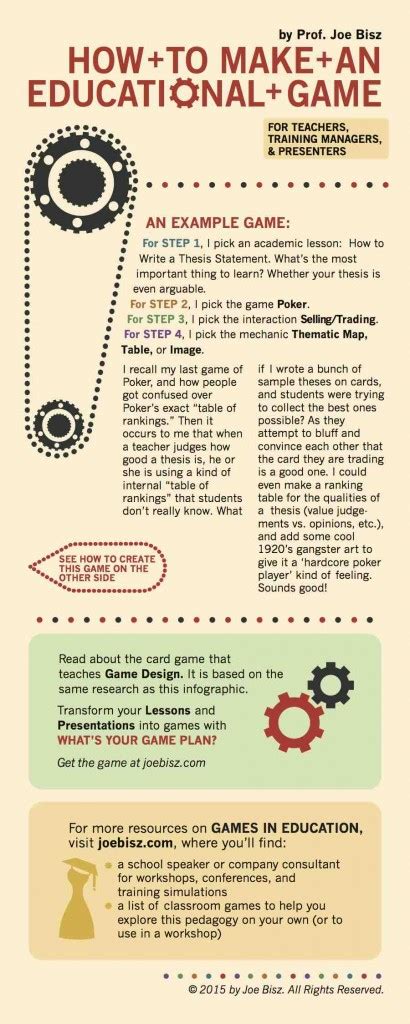
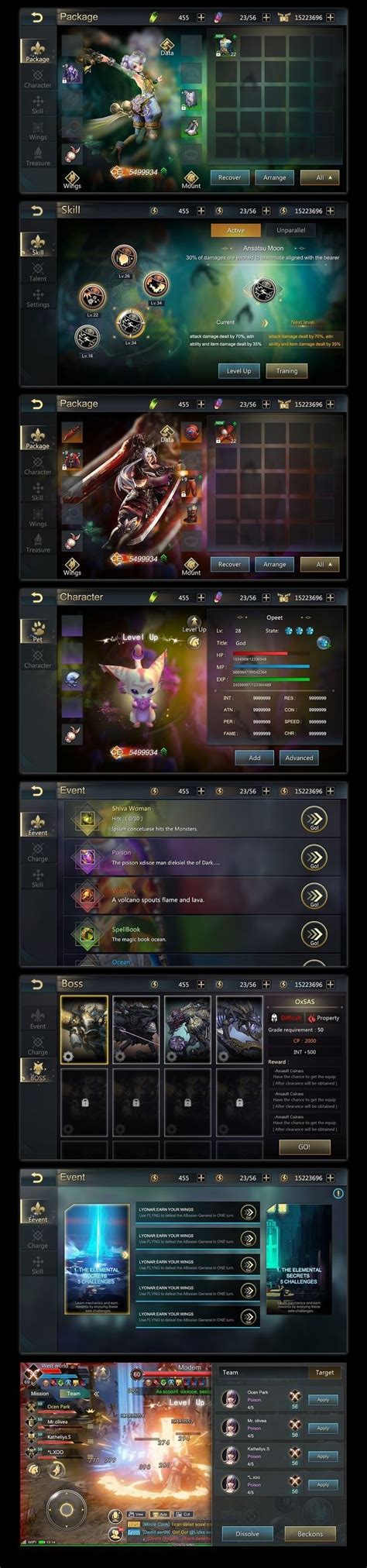
Many beginner guides, in an attempt to be comprehensive, make the critical mistake of front-loading too much information. They present every single button, every game system, and every advanced tactic right at the outset. This isn’t helpful; it’s paralyzing. New players can only absorb so much. Overloading their cognitive capacity leads to frustration, confusion, and ultimately, abandonment of the game before they’ve even had a chance to appreciate its depth.
The Progressive Learning Blueprint
The core idea behind progressive learning is simple: introduce only what’s necessary at any given moment, and build complexity incrementally. Think of it as constructing a house brick by brick, rather than dropping a fully formed house on someone.
1. Start with the Absolute Core Loop
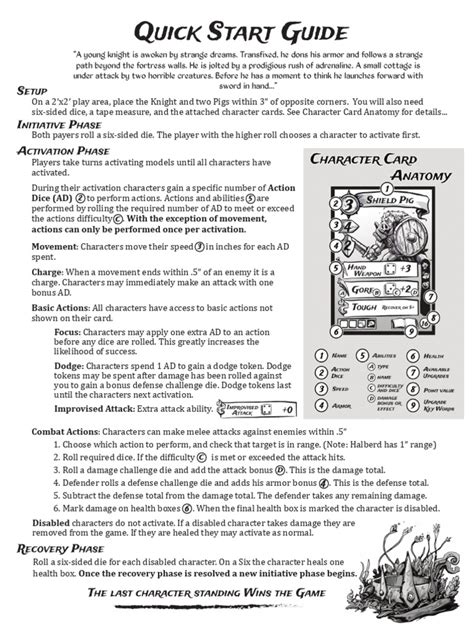
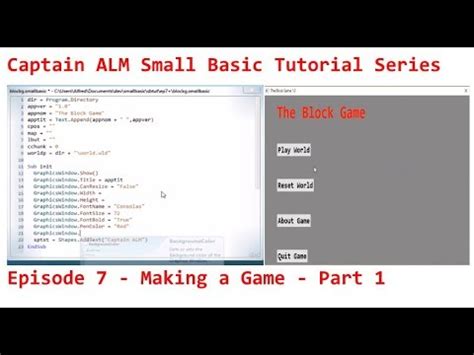
What’s the bare minimum a player needs to understand to engage with the game? For an RPG, it might be movement, basic attack, and quest acceptance. For a strategy game, it could be resource gathering and unit production. Focus intensely on these fundamental actions and concepts. Ensure the player can confidently perform these tasks before moving on.
2. Layer New Mechanics Gradually and Contextually
Once the core loop is mastered, introduce new mechanics one at a time. This could involve an inventory system, a skill tree, crafting, advanced combat maneuvers, or social features. Crucially, each new mechanic should be introduced when it becomes relevant or necessary for progression. For example, don’t explain crafting until the player encounters the first crafting material or recipe. Integrate these lessons into actual gameplay, providing immediate opportunities for practice.
3. Emphasize Practice and Feedback
Learning isn’t just about reading; it’s about doing. Beginner guides should encourage hands-on practice in safe environments. Provide clear, concise feedback on performance. Did they successfully use the new ability? Did they understand the resource management? This reinforces learning and builds confidence.
4. Avoid Jargon and Offer Visual Aids
Initially, strip away any game-specific jargon. Use plain language to explain concepts. Accompany explanations with clear screenshots, short video clips, or animated GIFs to visually demonstrate mechanics. A picture (or short animation) is often worth a thousand words when explaining complex interactions.

The Long-Term Benefits
Implementing a progressive learning strategy does more than just prevent initial overwhelm. It fosters a sense of accomplishment, reduces frustration, and significantly increases player retention. Players feel smart, capable, and engaged as they gradually unlock the game’s depth at their own pace. This structured approach transforms a potentially intimidating experience into a rewarding journey of discovery, ensuring that the game’s complexity becomes an asset rather than a deterrent.