For complex games, how do beginner guides best introduce core mechanics without overwhelm?
Complex video games, with their intricate systems, sprawling narratives, and deep mechanics, offer unparalleled depth and replayability. However, this very complexity can be an insurmountable barrier for new players. The challenge for any beginner guide is to introduce core mechanics effectively, fostering understanding and engagement without overwhelming the learner with a deluge of information. The goal isn’t just to teach; it’s to inspire continued play and exploration.
The Core Challenge: Information Overload
Many complex games, from grand strategy titles to expansive RPGs or intricate simulation games, throw players into the deep end. Their manuals can be encyclopedic, and in-game tutorials often front-load too much information. Beginners, unfamiliar with the game’s language and paradigms, struggle to distinguish vital information from secondary details. This leads to frustration, quick abandonment, and a missed opportunity for both the player and the game developer.

Foundational Principles for Effective Guides
Start with the Absolute Essentials
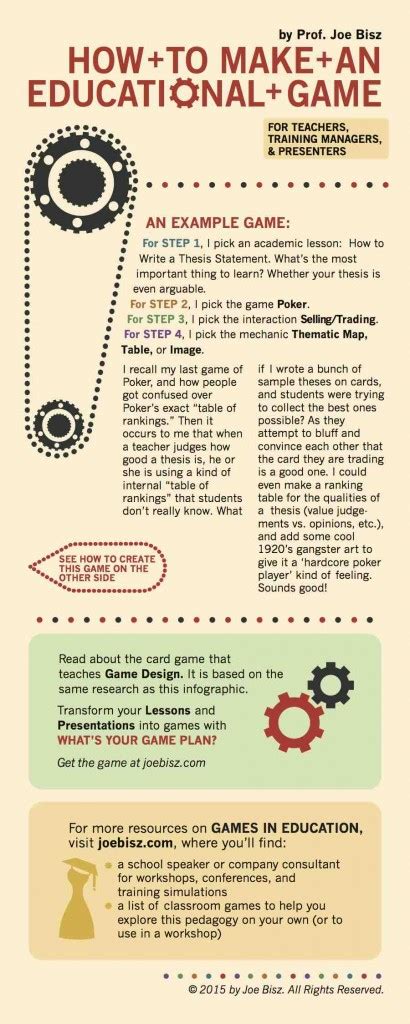
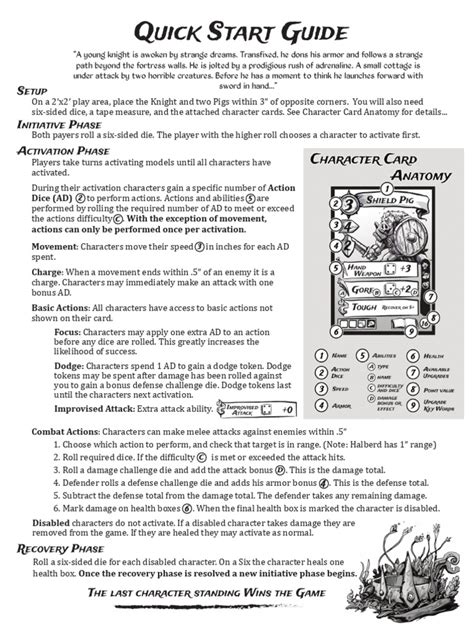
A good beginner guide prioritizes. What does a new player absolutely need to know to take their first meaningful action and achieve a small, satisfying win? This typically includes basic movement, core interaction, primary objective, and perhaps one or two critical resources or abilities. Everything else can wait. Think of it as a minimum viable product for player understanding.
Focus on the “why” and “what” before diving deep into the “how” of every single edge case. For instance, in a strategy game, explain the goal of expanding your empire and the basic means (e.g., build a city, train units) before detailing every diplomatic option or unit statistic.
Gradual Unveiling (Layered Learning)
Instead of a single, monolithic tutorial, effective guides embrace layered learning. Introduce concepts incrementally, building upon previously learned information. Once a player masters basic movement, introduce basic combat. After combat, introduce resource gathering, and so on. This approach allows players to solidify their understanding of each layer before moving to the next, reducing cognitive load.
Contextual Learning & Practical Application
Learning is most effective when it’s immediately applicable. A guide should encourage hands-on practice within the game itself. Instead of just telling a player how to craft an item, have them craft their first item during the tutorial phase. Provide simple, guided scenarios that reinforce each new mechanic. This transforms abstract instructions into concrete experiences, making the information stick better.
Relate new mechanics to familiar concepts whenever possible. If the game has a resource management system, compare it to managing a household budget in a simplified way, for example.
Visual Aids and Analogies
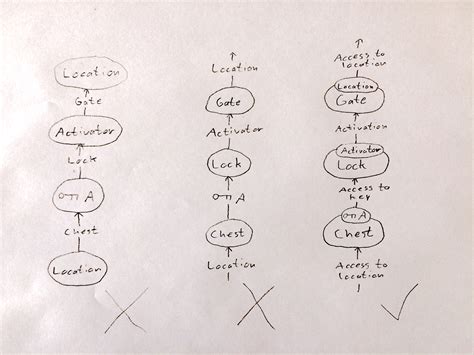
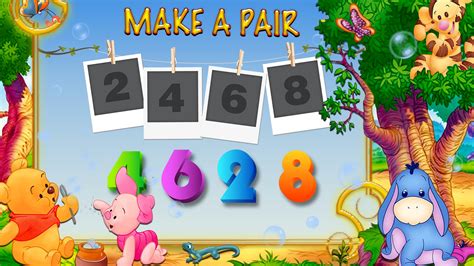
Complex systems often involve abstract concepts. Visual aids – screenshots, diagrams, flowcharts, or even short video clips – can dramatically improve comprehension. Highlight key UI elements, show the outcome of an action, or illustrate a complex chain of events. Analogies can also bridge the gap between the game’s unique language and a player’s existing knowledge, making unfamiliar mechanics more approachable.
Empower Exploration, Avoid Spoilers
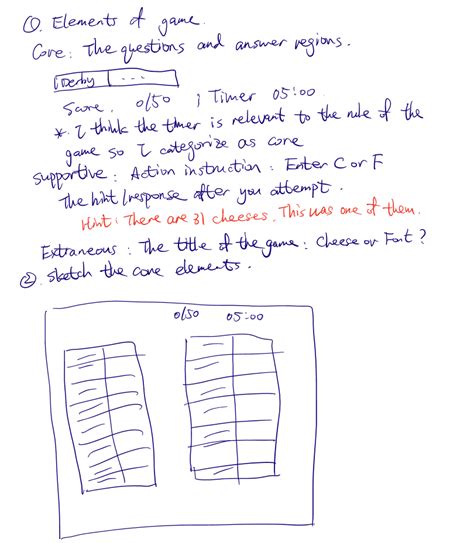
A beginner guide’s role is not to play the game for the player or spoil discoveries. It’s to equip them with the fundamental tools and understanding to explore and succeed on their own terms. Encourage experimentation within a safe, guided environment. Emphasize that making mistakes is part of the learning process in complex games, and that failure often leads to deeper understanding.
Practical Tips for Guide Creators
- Break Down Complexity: Divide the game into manageable modules (e.g., “Combat Basics,” “Resource Management 101,” “Early Game Strategy”).
- Use Clear, Concise Language: Avoid jargon unless absolutely necessary, and explain it thoroughly when used. Short sentences and bullet points enhance readability.
- Suggest Practice Scenarios: Offer optional side activities or challenges that allow players to hone newly acquired skills.
- Offer Optional Deeper Dives: Once the core is understood, provide pointers to more advanced guides, wikis, or community resources for those who want to master every nuance.
- Manage Expectations: Acknowledge that the game is complex and mastery takes time. Reassure players that it’s okay not to grasp everything immediately.
Conclusion
Crafting a beginner guide for a complex game is an art of simplification and strategic disclosure. By focusing on essentials, employing layered learning, providing contextual practice, utilizing visual aids, and empowering exploration, guides can transform potential frustration into lasting engagement. The goal is to build a solid foundation, allowing new players to confidently step into the game’s intricate world, ready to discover its depths at their own pace.