For complex games, how can beginner guides most effectively prevent player overwhelm?
Navigating the Labyrinth: Guiding New Players Through Complex Games
Complex games, whether they’re sprawling grand strategies, intricate RPGs, or deep simulation titles, offer immense depth and rewarding experiences. However, their very complexity can be a significant barrier for new players, leading to overwhelming feelings and ultimately, abandonment. The key to successful player onboarding lies in a well-crafted beginner guide that anticipates and mitigates these challenges.
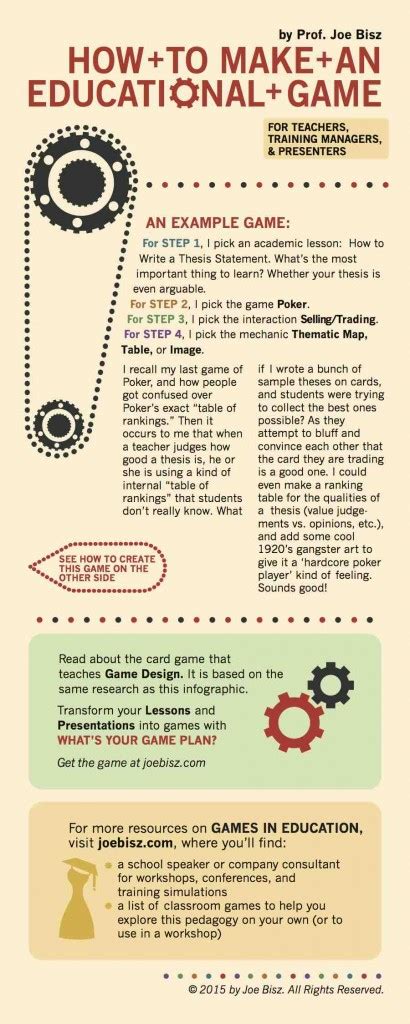
Preventing player overwhelm isn’t about dumbing down the game; it’s about smart information delivery. The goal is to build foundational understanding and confidence, empowering players to explore the deeper mechanics on their own terms. Here are several strategies to achieve this effectively.

Progressive Revelation: The Art of Gradual Introduction
One of the most critical techniques is to avoid front-loading all information. Instead, guides should adopt a progressive revelation approach, introducing core mechanics and concepts incrementally. Start with the absolute essentials required for basic gameplay, then gradually layer in more advanced systems as the player demonstrates mastery of the fundamentals. This might involve:
- Tiered Learning: Separate beginner, intermediate, and advanced sections.
- Contextual Guides: Explain mechanics only when they become relevant in the game world.
- Micro-tutorials: Short, focused explanations for individual features rather than lengthy treatises.
By breaking down the learning curve into manageable chunks, players feel a sense of accomplishment with each new concept mastered, rather than despair at the sheer volume of information.
Prioritization and Focus: What Matters Most Right Now?
In a complex game, not all mechanics are equally important at the outset. An effective guide will ruthlessly prioritize, highlighting the 20% of features that will enable 80% of the initial gameplay success. This means:
- Core Loop Emphasis: Clearly explain the primary cycle of gameplay (e.g., gather resources, build, fight).
- Essential UI Elements: Point out critical HUD components and navigation tools immediately.
- Common Pitfall Avoidance: Offer tips to steer new players away from early-game mistakes that could lead to frustration.
Guides should explicitly tell players what they can ignore for now, alleviating the pressure to understand everything at once. This instills confidence and allows players to build a mental map of the game world and its systems without feeling lost.

Visuals and Practical Examples: Show, Don’t Just Tell
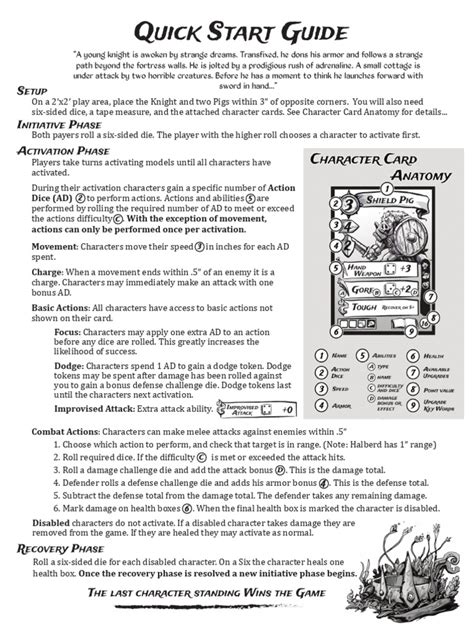
Text-heavy guides can be daunting. Integrating strong visual aids is paramount for complex games. Screenshots, diagrams, short video clips, or animated GIFs can convey information far more effectively than paragraphs of text. Practical examples, using in-game scenarios, help bridge the gap between abstract concepts and actual gameplay.
- Annotated Screenshots: Label key UI elements or show specific action sequences.
- Flowcharts/Diagrams: Illustrate complex dependencies between systems (e.g., tech trees, resource chains).
- Example Playthroughs: Showcase a specific early-game strategy or mission completion.
Seeing how a mechanic works in practice, rather than just reading about it, solidifies understanding and makes the information feel immediately applicable.

Interactive and Hands-On Learning: The Best Teacher
Passive reading can only go so far. The most effective guides incorporate interactive elements that allow players to apply what they’ve learned immediately. This can manifest as:
- Guided Practice Missions: Short, structured scenarios that require players to use newly introduced mechanics.
- Sandbox Modes: A low-stakes environment for experimentation without fear of failure.
- Tooltips and Contextual Help: On-demand explanations for UI elements or game concepts when hovered over.
- Integrated Challenges: Small, achievable goals that reinforce learning within the main game.
By actively engaging with the game’s systems, players develop muscle memory and a deeper intuitive understanding, which is far more robust than theoretical knowledge alone.

Empowerment and Encouragement: Building Confidence
Finally, a good beginner guide isn’t just about imparting knowledge; it’s about building confidence and fostering a sense of accomplishment. Guides should adopt a supportive and encouraging tone, celebrating small victories and reassuring players that mistakes are part of the learning process. Emphasize that there isn’t always one ‘right’ way to play and encourage experimentation once the basics are solid. Providing a clear path for continued learning – perhaps through links to wikis, community forums, or advanced strategy guides – also helps players feel supported beyond the initial onboarding phase.

Conclusion: The Foundation of a Lasting Experience
For complex games, an effective beginner guide is more than just a manual; it’s the gateway to a rich and rewarding experience. By strategically employing progressive revelation, prioritizing essential information, utilizing strong visuals, offering interactive practice, and fostering player confidence, guides can transform daunting learning curves into engaging journeys. This thoughtful approach not only prevents player overwhelm but cultivates a loyal and invested player base, eager to delve into the depths of the game they’ve come to understand and love.