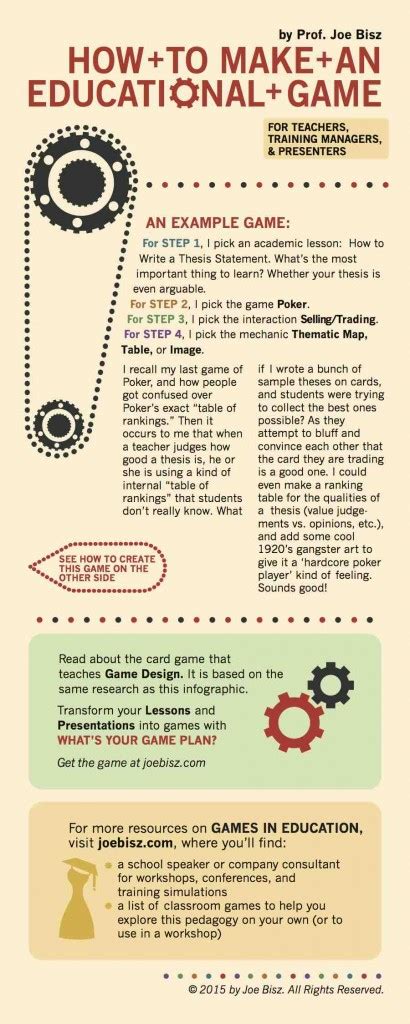
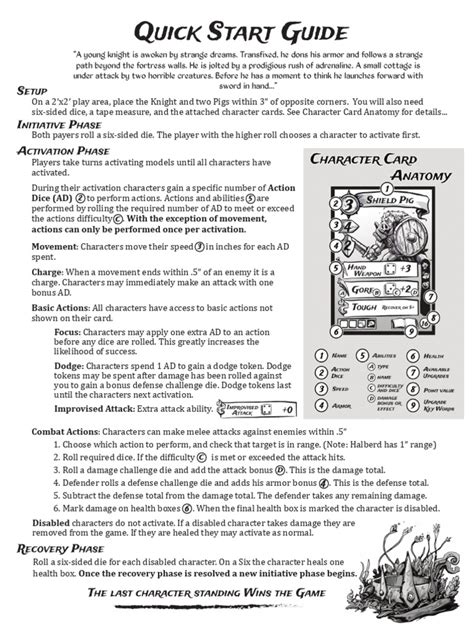
For complex game guides, how do you simplify initial steps without overwhelming new players?

Navigating the Labyrinth: Making Complex Game Guides Accessible
Many video games, particularly those in genres like grand strategy, RPGs, or simulations, present a formidable initial learning curve. For new players, diving into a comprehensive guide can feel like trying to drink from a firehose, leading to frustration and early abandonment. The challenge for guide writers is to distill essential information into digestible chunks, enabling a smooth onboarding experience without overwhelming the eager but inexperienced player.
The goal isn’t to dumb down the game, but to scaffold the learning process. A well-crafted initial guide should provide just enough information to get started, build confidence, and spark curiosity for deeper mechanics, rather than presenting a complete encyclopedia upfront.
Why Initial Simplification is Paramount for Player Retention
First impressions matter immensely. If a new player encounters an impenetrable wall of text and jargon in their first guide, they’re likely to disengage. Simplifying the initial steps serves several critical purposes:
- Reduces Cognitive Load: Prevents information overload, allowing players to focus on core mechanics.
- Builds Confidence: Successfully completing initial tasks empowers players and encourages further exploration.
- Increases Engagement: A clear path forward keeps players invested rather than frustrated.
- Establishes a Learning Foundation: Basic concepts are understood before advanced ones are introduced.

Core Strategies for De-cluttering Initial Steps
1. The “First 10 Minutes” Philosophy
Focus intensely on what a player absolutely needs to know to survive and progress through their very first moments in the game. What are the essential controls? How do they complete their first quest or objective? What’s the immediate goal? This isn’t about explaining the entire tech tree, but about the critical first interactions.
- Identify Minimum Viable Knowledge: What’s the absolute bare minimum to avoid instant failure?
- Step-by-Step Walkthrough: Guide them through their immediate starting tasks with explicit instructions.
- Keep it Action-Oriented: Emphasize “do this,” “click here,” “go there.”
2. Prioritize & Prune Ruthlessly
Be aggressive in removing anything that isn’t immediately critical. Advanced strategies, optimal build orders, or deep lore discussions can wait for later sections or separate, more advanced guides. The initial guide should be lean and focused.
Ask yourself: “Does a new player need to know this in the first hour of gameplay?” If the answer is no, save it for later.
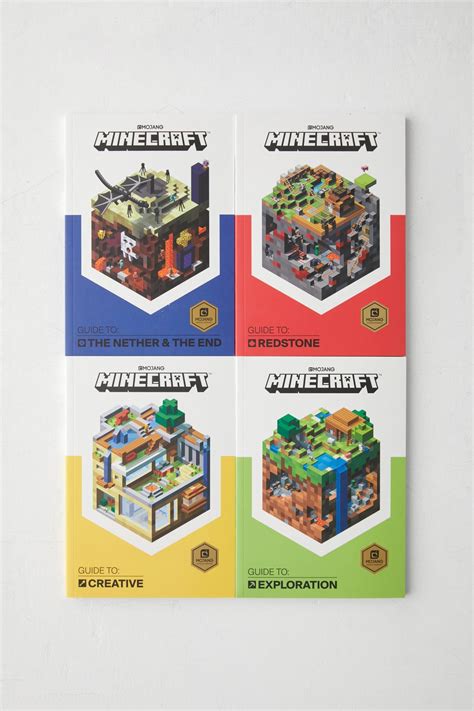
3. Chunking Information into Bite-Sized Lessons
Break down even simple concepts into smaller, more manageable sections. Instead of one long paragraph explaining “Movement and Combat,” create separate sub-sections for “Basic Movement” and “Your First Attack.” Use headings, bullet points, and numbered lists to make content scannable and digestible.
Each chunk should ideally address a single concept or a small group of closely related concepts.
4. Emphasize Visuals and Examples (Conceptually)
While I cannot generate images, a good guide would heavily utilize screenshots, diagrams, and short video clips. Explain why a certain action is important, not just how to do it. Use analogies if the game mechanics relate to real-world concepts. Visuals can convey information far more efficiently than text alone.
5. Gradual Introduction of Complexity
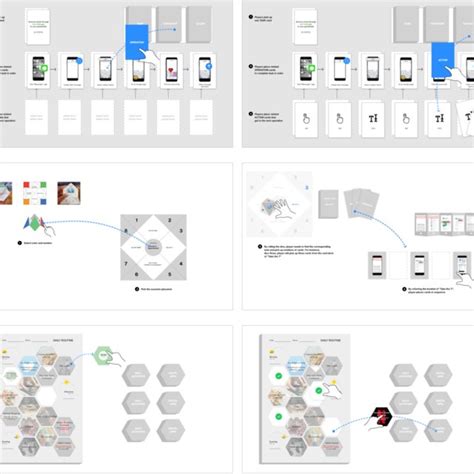
Structure your guide like a progressive tutorial. Start with the absolute basics, then introduce slightly more complex mechanics once the foundation is solid. Clearly signpost when a section transitions from beginner-friendly to more advanced topics, allowing players to self-select their learning pace.
Consider a “Next Steps” or “Where to Go From Here” section that points to more advanced guides or deeper dives into specific game systems.
6. Focus on “Why” Before “How”
Explaining the purpose behind an action can significantly aid understanding and retention. Instead of just saying “Press ‘R’ to reload,” explain that reloading ensures you don’t run out of ammunition in a crucial fight, giving context to the action. This helps players build a mental model of the game world and its systems.

7. Interactive & Action-Oriented Guidance
Encourage players to actually perform actions as they read. Frame instructions as commands: “Now, open your inventory (key ‘I’) and equip the starter sword.” Include checkpoints or “did you do this?” prompts. While true interactivity is beyond a static guide, the writing style can simulate it.
Practical Tips for Guide Writers
- Use Simple Language: Avoid jargon where possible, or clearly define it upon first use.
- Test with Novices: Have someone completely new to the game (and ideally, the genre) read and follow your initial steps. Their feedback is invaluable.
- Create a Glossary: A separate, easily accessible section for game-specific terms.
- Provide Resources: Link to official wikis, community forums, or other trusted guides for deeper dives.
- Iterate and Refine: Guides are rarely perfect on the first draft. Be prepared to update and simplify based on player feedback.

Conclusion
Simplifying the initial steps in a complex game guide is an art that balances thoroughness with accessibility. By adopting strategies like the “First 10 Minutes” approach, ruthless prioritization, chunking information, and a gradual introduction of complexity, guide writers can transform a daunting learning experience into an inviting adventure. The ultimate goal is to empower new players, fostering a sense of accomplishment and drawing them deeper into the rich worlds that complex games offer.