For ‘big & small’ games, how should beginner guides prioritize information for new players?

Navigating the New Player Journey: Prioritizing Information for Diverse Games
Whether a game is a vast open-world RPG or a compact indie puzzle, the initial experience for new players is critical. A well-crafted beginner guide can transform confusion into confidence, while a poorly structured one can lead to frustration and abandonment. The key lies not just in what information is presented, but in how it’s prioritized for the new player’s journey.
The fundamental challenge is balancing comprehensiveness with avoiding overload. New players don’t need to know every nuance immediately. They need a path, a compass, and enough tools to take their first meaningful steps and feel a sense of accomplishment.

Tailoring Guidance for Game Scale
For ‘Small’ Games: Focus on the Core Loop
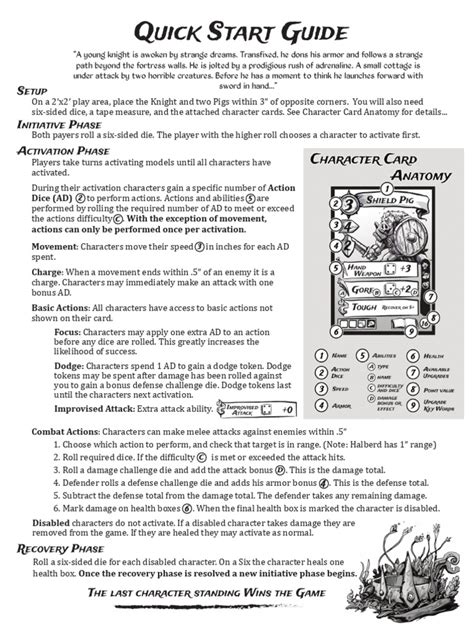
Smaller, more focused games—think arcade-style, puzzle games, or short narrative experiences—benefit from direct, immediate guidance. Prioritization here means getting players into the core gameplay loop as quickly as possible. What is the main verb? What is the primary objective? How do you achieve it?
- Immediate Objectives: Explain the win condition or main goal.
- Core Mechanics Only: How to move, interact, and use the primary abilities.
- Minimal Setup: Get straight to the action, often with contextual tutorials that blend into the first few minutes of play.
- Encourage Experimentation: Since there are fewer systems, players can often learn nuances by doing.
For ‘Big’ Games: Phased Introduction and Foundational Skills
Large, complex games—MMORPGs, grand strategy, intricate simulators—present a different challenge. Dumping all information upfront is a guaranteed way to overwhelm. Here, prioritization means a phased introduction of concepts, building foundational skills before layering on complexity.

Start with the absolute essentials: movement, camera control, basic interaction, and the very first objective. Once these are solid, gradually introduce more systems:
- Tiered Learning: Break down the game into logical sections. Introduce crafting after movement and combat. Introduce advanced economy after basic resource gathering.
- Contextual Relevance: Explain a system only when the player is likely to encounter or need it. A deep dive into late-game character builds isn’t useful at level 1.
- “Need-to-Know” vs. “Nice-to-Know”: Differentiate between information essential for progress and details that enhance mastery. Focus guides on the “need-to-know.”
- Navigation and Information Retrieval: For vast games, teaching players how to find information (e.g., using the in-game encyclopedia, quest log, map) can be more valuable than giving them all the answers upfront.
Universal Principles for Effective Guides
Regardless of game size, several principles universally enhance beginner guides:
- Action-Oriented Language: Tell players what they can do, not just what is. “Press X to jump” is more effective than “Jumping is a movement mechanic.”
- Why, Not Just How: Explain the purpose or benefit of a mechanic. “Collecting wood helps you build shelter and tools” provides context.
- Visual Reinforcement: Use screenshots, icons, or short videos (even if the guide itself is text-based, imply this) to illustrate concepts.
- Interactive Elements: Ideally, the game itself guides the player through interactive tutorials, but text guides can mimic this by posing questions or suggesting immediate actions.
- Manageable Chunks: Break down information into small, digestible paragraphs or bullet points. Avoid dense walls of text.
A common pitfall is assuming prior knowledge. Always approach a beginner guide from the perspective of someone who has never touched a similar game before, but don’t condescend.
Conclusion: The Art of Guided Discovery
Ultimately, a successful beginner guide, for both small and large games, is about enabling guided discovery. It provides enough scaffolding to prevent frustration but leaves room for players to explore and feel the satisfaction of figuring things out. Prioritizing information means identifying the critical path to engagement and enjoyment, ensuring new players don’t just understand the game, but genuinely want to keep playing it.